
- Home
- Products
- Baby products
- Baby wipes
- Happy Together Baby Hand and Mouth Wet Wipes 80 puffs YG0573
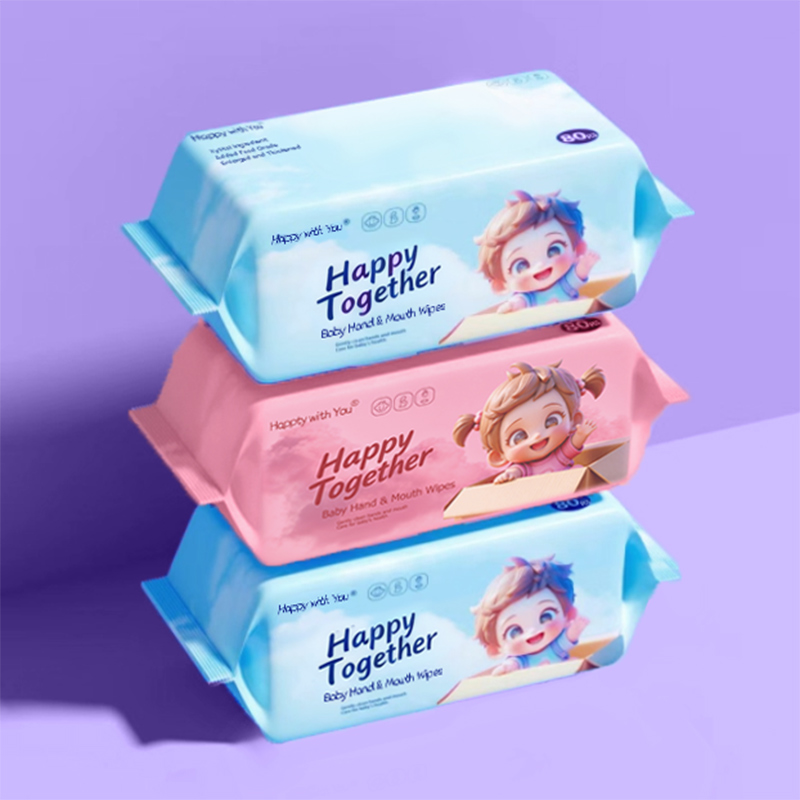
Happy Together Baby Hand and Mouth Wet Wipes 80 puffs YG0573
Description
Product Features
1.Every cleaning given to a baby should be a dual protection of ‘gentleness+peace of mind’
Why did you choose it?
0 Stimulus Formula, Entry Level Safety
EDI pure water+food grade raw materials, no alcohol, no essence, no fluorescent agent, you can rest assured that you can wipe your hands and mouth, clean the tableware, and your baby is not afraid to bite
3D pearl pattern, cleaning power UP
Thick non-woven fabric+three-dimensional pearl pattern, easily wiping off food residue and stains, without pulling or shedding fluff, can clean small hands and faces with just one piece.
Soft ‘cloud touch’
The moisture content is just right, and it doesn’t stick or turn red after wiping. It feels like gently rubbing a baby’s skin with clouds, and sensitive skin can also use it with peace of mind.
Seal and lock the water, draw 80 to the last sheet
Double water locking design with flip cover and sealing tape, it remains moist even after being torn open for one month, without fear of drying out or hardening.
2.N daily uses:
Baby wipes hands before meals, mouth/utensils after meals
Going out to clean toys, dining chairs, and stains
Clean the small PP when changing diapers (gentle and non irritating)
Macaron powder/blue dual color packaging, with a large capacity of 80 puffs, can be used by the whole family for 1-2 weeks to clean babies. Choosing a “safe to use” model is definitely the right choice!
Product parameters
Packaging: 3 packs per lift
Color: Pink/Blue
Specification: 80 puffs/40g
Size: 14 * 18cm
Box size: 43 * 34 * 36cm
PCS/CTN:48PCS
Application areas/scenarios
Scenario 1: Infant complementary feeding time
When babies eat complementary foods, the rice paste/fruit puree around their mouth and hands can be wiped clean with it. The food grade formula is not afraid of babies accidentally eating residue, and can be fed directly after wiping, saving the trouble of washing towels.
Scenario 2: Portable cleaning outside
When strolling in the park or dining in a restaurant, always wipe the baby’s toys, the contact surface of the dining chair, or the stains on the small hands. With a large capacity of 80 puffs, it can be used for a single outing, and the sealed packaging will not dry when placed in the mommy’s bag.
Scenario 3: Daily nursing assistance
Wiping small PP (gentle and non irritating to sensitive skin) when changing diapers, or doing quick cleaning after the baby bites toys, is more convenient as a substitute for towels, especially suitable for novice parents who are too lazy to wash small towels frequently.
Frequently Asked Questions
1: Can this wet wipe wipe the baby’s mouth/utensils?
It can be~It uses food grade raw materials+EDI pure water formula, free of alcohol, essence and other irritant ingredients, and belongs to the import level safety standard, so there is no need to worry about residues when wiping mouth and tableware.
2: Can sensitive babies use it?
The wet wipes are made of thick and soft non-woven fabric, with a gentle touch like clouds. They do not contain fluorescent agents or preservatives, and do not turn red or dry after wiping. Sensitive skin/newborns can use them with peace of mind.
User reviews and feedback
User review 1
The baby has just added complementary food, and every time they finish eating, the area around their mouth is sticky. Using this wet wipe is particularly convenient! It doesn’t even smoke or turn red after wiping, the key is the safety of the ingredients. Occasionally, the baby will not panic even if they bite it. 80 puffs can be used for a long time, and the pink and blue packaging also has a high appearance
User review 2
Bringing a bag with you when you go out is so practical! You can wipe toys, chairs, and hands, and it won’t dry out like some wet wipes. The sealing is done very well, and it’s still moist after half a month of use. I will buy it back
PRODUCTS
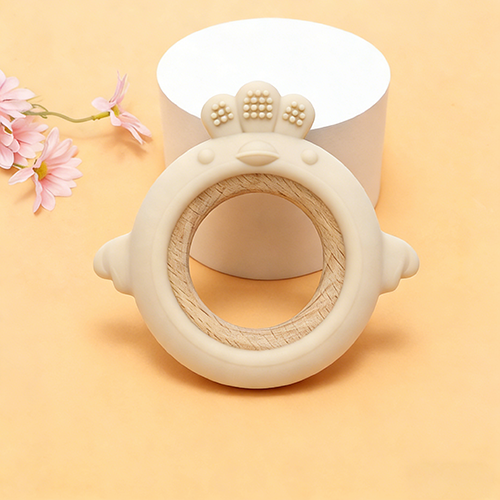
Baby Chicken Teething Ring Wooden Silicone Cover Teething Relief Toy YG0112
This is a soothing silicone teething ring specially designed for babies in the teething stage. With a cute chickens-shaped design and 10-saturation macaroon color tones, it adds a touch of tenderness to the growth period of the baby. It is made of food-grade silicone, which feels as soft and gentle as clouds and can gently relieve the discomfort caused by teething when gently chewed. The round shape perfectly fits the grip arc of the baby's hand, making each grip safe and reassuring. The thoughtful design of being heat-resistant and capable of being boiled for disinfection allows it to freely move between daily life at home and outings. It is not only a practical item to relieve discomfort but also a cute addition in feeding scenarios. Whether for self-protection or as a gift for new parents, this can gently convey this delicate parenting sentiment.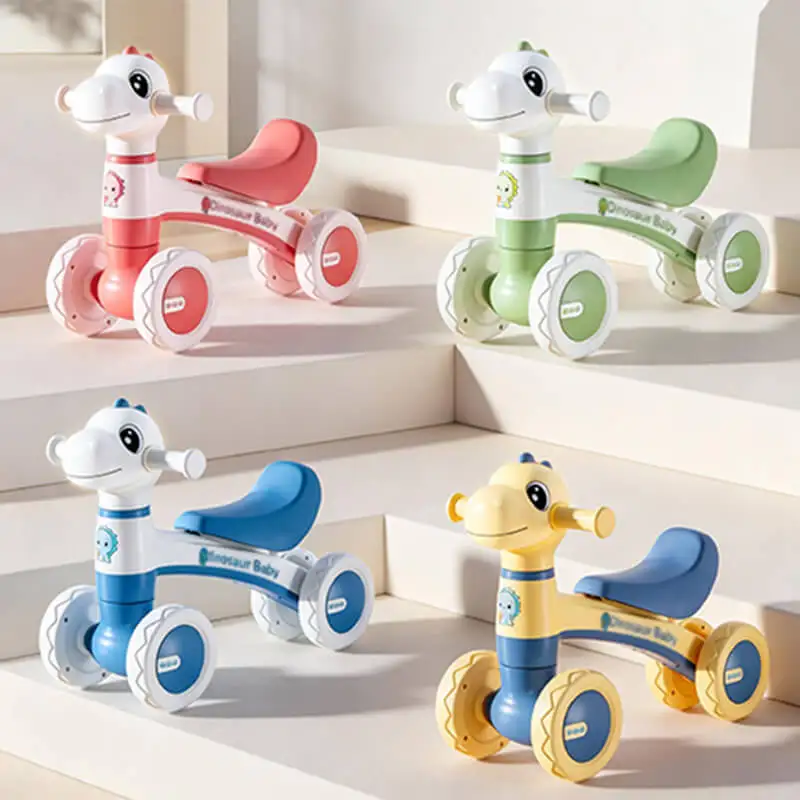
Dinosaur Ride On Quad Scooter with Music & Light for 1-3 Years Old Kids YG0244
This dinosaur baby scooter is a dream companion specially designed for 1-3-year-old kids. It perfectly combines child-friendly aesthetics with reassuring companionship, resembling a mobile playground of childlike fun. The marzipan and warm white color combination creates a soothing and gentle visual experience. The cute dinosaur design is endearing and adorable, with chubby lines and a smooth, unframed body that gently wraps around all sharp edges, ensuring that every touch by the baby is filled with peace of mind. The low center of gravity and widened non-slip seat securely support the baby's exploration time. The silent and non-slip four-wheel design glides smoothly like clouds across the ground, whether in a sunlit living room or on a grassy outdoor area, allowing the baby to glide freely. The built-in soft light and child-friendly melody flow synchronously during the ride. The lively notes and warm yellow halo not only brighten up the playtime but also awaken the baby's sensory perception, making every exploration full of surprises. The eco-friendly PP material is non-toxic and odorless, like a mother's embrace, being safe and reliable. It is not only an enlightenment teaching aid for the baby to exercise balance but also a dream vehicle to decorate childhood. With delicate companionship, it safeguards every step of the baby's hesitant yet courageous growth.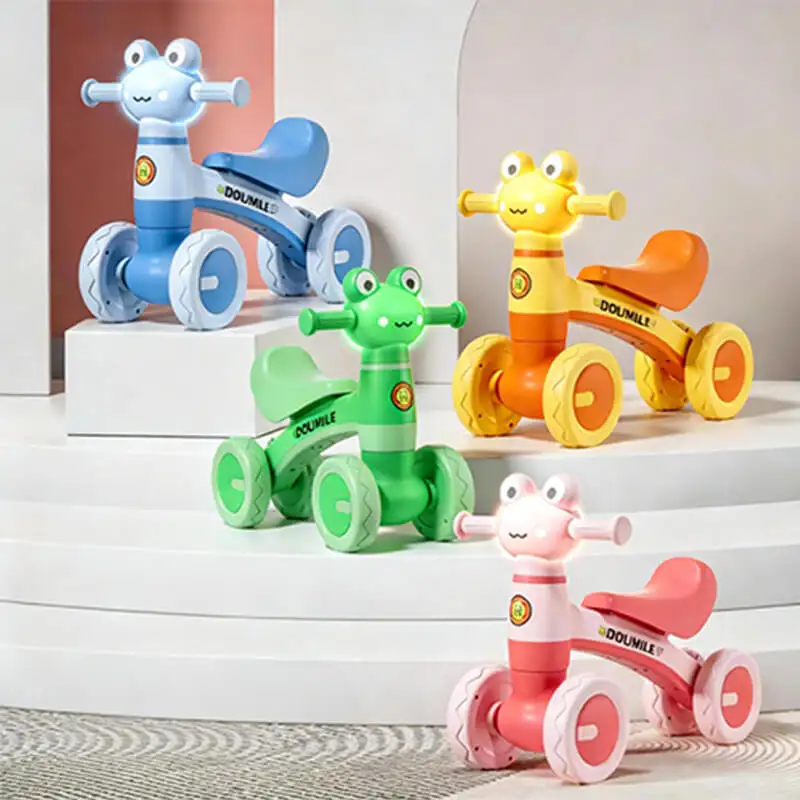
Frog Quad Scooter for Kids 1-3 Years No Pedals Music Light Ride On Toy YG0243
This is a children's scooter themed around cute frogs, specially designed for babies in the 1-3 year old toddler stage. It is not only a fun toy to accompany play, but also a learning tool to help babies improve their balance. It retains the low-center-of-gravity four-wheel structure, combined with silent and anti-slip soft wheels. It ensures stable sliding and prevents side overturning, while not scratching the floor at home. The pink and tender frog-shaped scooter head comes with soft lighting and music functions. When the baby rides, it will play cheerful children's songs simultaneously, turning play into a fun and light-hearted adventure full of sounds and lights. The fully rounded body design balances comfort and safety, allowing the baby to gain happiness and growth during exploration.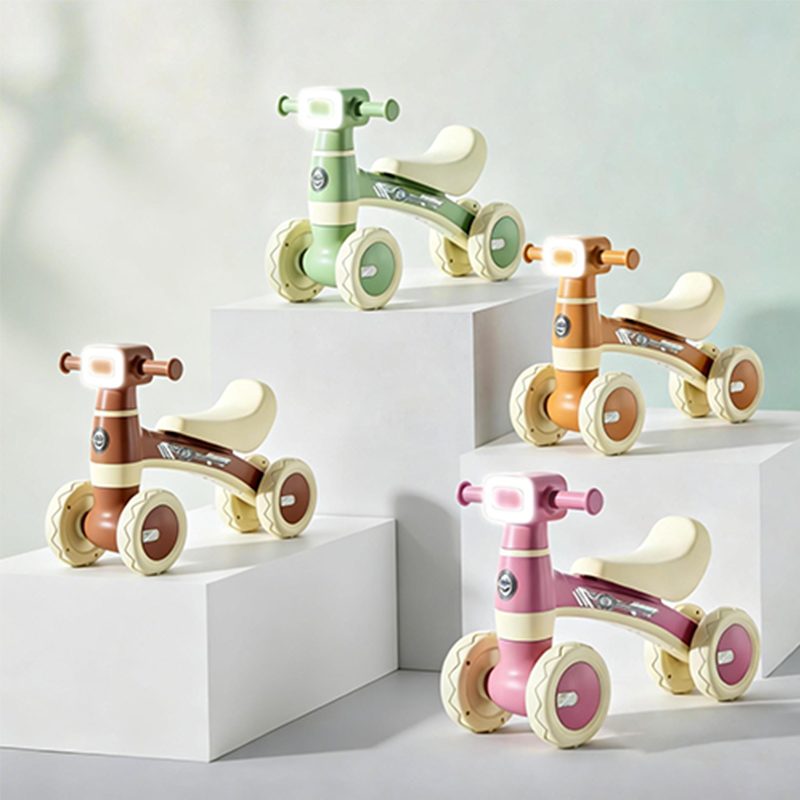
Baby Learning Walker Quad Scooter Square Design with Music & Lights for Toddlers YG0246
This is a children's four-wheel balancing scooter, mainly designed for babies aged 1-3 years old. It is a learning toy vehicle that combines the functions of sliding, playing and early education.Stable anti-rollover design: It features a widened four-wheel structure and anti-slip, wear-resistant, and silent tires, which can significantly reduce the risk of babies falling or rolling over while sliding, making it more suitable for children in the early learning stage. Multi-functional play experience: The handlebar is equipped with lighting and music functions. When turned on, it will play children's songs, stories or sound effects, which can attract the baby's interest and also have the function of early education. Comfortable and safe details: It uses a soft saddle and a body shape that conforms to ergonomic principles, so that the baby won't get tired after sitting for a long time; the entire vehicle is made of environmentally friendly PP material, with no sharp edges, ensuring the safety of the baby during play. No installation required and portability: It can be used immediately after opening the box. The vehicle is lightweight and can be easily picked up and moved by parents, and is also suitable for carrying when going out. Main functions It is not only the baby's first "toy car", helping to exercise balance, leg strength and limb coordination, but also can stimulate the baby's auditory and visual development through music and lights. It is a children's toy that combines learning, exercise and entertainment functions.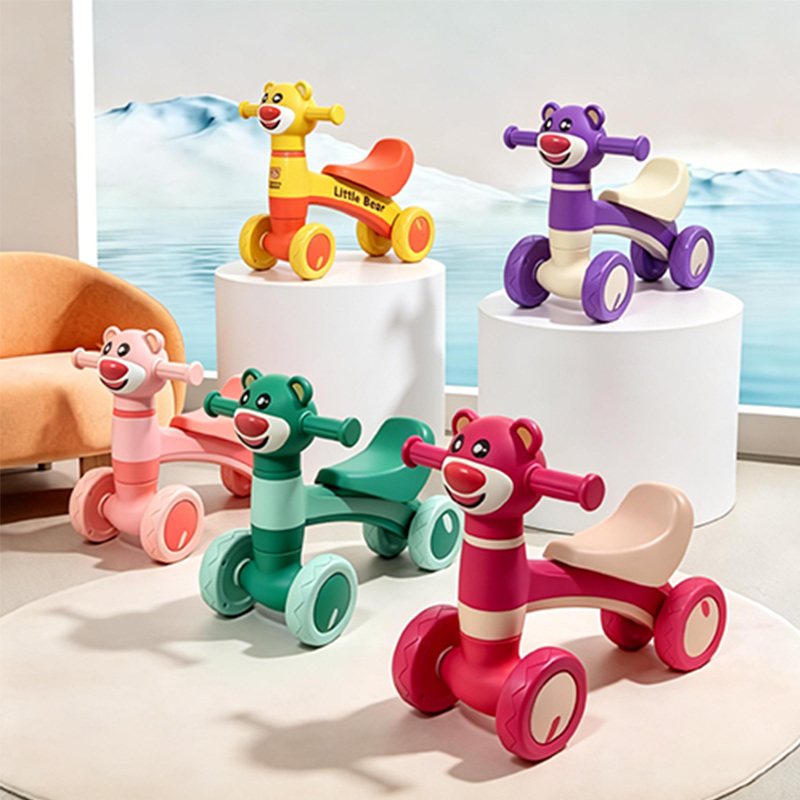
Kids Quad Scooter Learning Walker with Music Lights for Toddlers 1-3 Years YG0252
Pink Bear Stroller: Carrying the soft and cute childhood on a journey It is not just a baby walker; it is more like a fluffy companion in a baby's childhood, providing gentle companionship and safeguarding every step of the bumpy growth. The cute appearance level, crashing into the child's heart The pink and white color combination is like crushed cherry blossoms and honeyed peaches. The three-dimensional bear head has a playful smile, as if inviting the baby, "Come on, let's set off together." Every time you hold the handlebars, it is a hand-holding with the little bear; every time you glide, it is embarking on a soft childhood adventure. Steadily guarding, step by step with peace of mind The widened four wheels are like gentle palms, supporting the baby's wobbly exploration; the soft saddle seat supports the little body, making the playtime become soft. The silent wheels glide across the floor, like standing on tiptoes like clouds, not disturbing the afternoon nap, nor wearing out the warmth of home. During the sliding, courage grows Without the restraint of pedals, the baby measures the world with their feet. Every step on the pedals is the growth of strength, every turn is the practice of balance. The low and close-to-the-ground body is like laying a soft cushion for courage, allowing the little explorer to dare to move forward, in the steady sliding, growing the confidence to stand on their own feet. One room, one hall, all is the distant place It is the pink rainbow in the living room, and also the cute companion under the sun.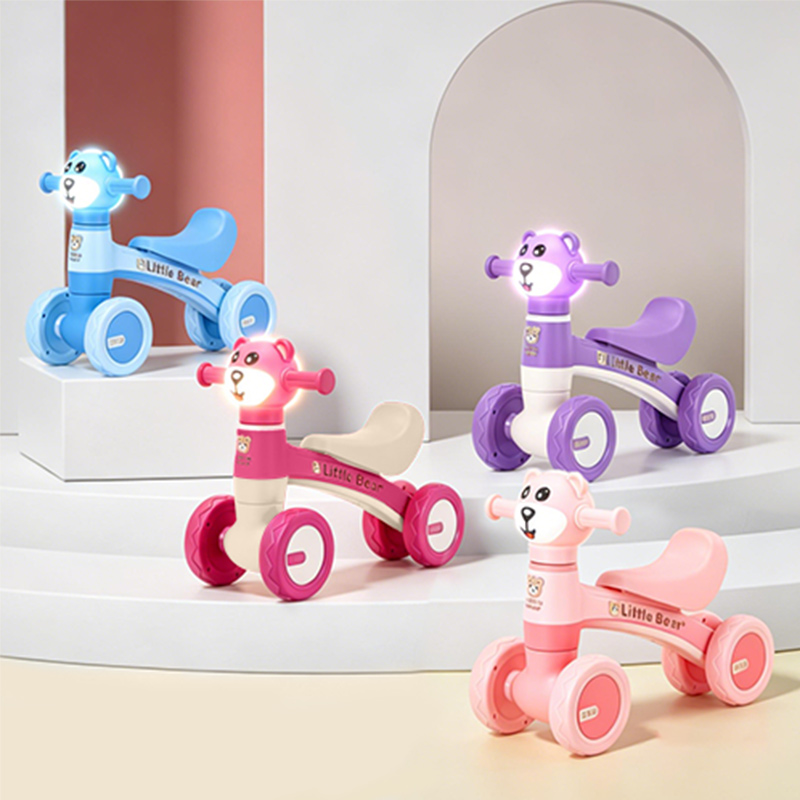
Baby Learning Quad Scooter 1-3Y Music Light Kids Ride On Toy YG0242
The soft and cuddly front of the little bear car is like blending the fluffy cotton candy of spring into childhood. When the baby's little feet gently touch the ground, it carries the innocence forward and slides steadily. The four wheels are firmly attached to the ground, as stable as a cloud supported by the gentle breeze in spring. The soft and springy seat supports the tiny body, and the round car holds the courage for exploration. Each slide is a gentle mark of growth. As the wheels turn gently, the car head lights up a warm and soft light, flowing out a cheerful melody, turning the playtime into a dream with notes. It is not just a companion for learning to walk, but also the pink starlight hidden in childhood, allowing the baby to gain stable happiness and courage while moving unsteadily.BLOG
Breaking: Iran Announces Two-Week Ceasefire Extension, Negotiations to Proceed
Breaking: Iran Announces Two-Week Ceasefire Extension, Negotiations to Proceed Combined reports from Tehran and Beijing — Local time on April 8th, Iranian officials officially announced that they will maintain the two-week ceasefire agreement previously reached with relevant parties, which took effect in the early hours of the same day. Meanwhile, the Iranian delegation has departed and will travel to Islamabad on April 10th to participate in multilateral negotiations mediated by Pakistan, focusing on key issues regarding the follow-up arrangements of the ceasefire and the de-escalation of the situation. The framework of this ceasefire agreement was officially approved and confirmed by Iran’s Supreme National Security Council on April 7th. Iranian officials emphasized that the core goal of the ceasefire is “to avoid further escalation of the regional situation and create a stable window for diplomatic negotiations.” The agreement clearly requires all relevant parties to fully cease military operations, end hostile frictions, and jointly safeguard the regional peace and environment. At the same time, Iran reaffirmed that the ceasefire is not a compromise, but a rational choice based on safeguarding national core interests and gaining time for domestic people’s livelihood recovery and construction. If the negotiation process deviates from the established track, Iran reserves the right to take all necessary measures. According to a disclosure by Pakistan’s Ministry of Foreign Affairs, the Islamabad negotiations will gather representatives from Iran, the United States and their respective allies, with core topics including the security guarantee of shipping in the Strait of Hormuz, the path to lifting regional sanctions, the protection of civilian facilities, and the handling of legacy issues from the conflict. As the mediator, Pakistan will coordinate the positions of all parties throughout the process and promote the negotiation to form a specific and implementable consensus document. Pakistan’s Prime Minister’s Office stated publicly that this negotiation is an important opportunity for the de-escalation of the Middle East situation, and Pakistan will make every effort to promote the two parties to achieve phased results during the two-week ceasefire period. The United States confirmed through the White House spokesperson that it will strictly abide by the provisions of the ceasefire agreement, suspend all military strikes against Iran, and has arranged the relevant diplomatic team to attend the meeting as scheduled. The U.S. side stated that it looks forward to resolving current differences through negotiations, and emphasized that the Strait of Hormuz, as a global energy transportation artery, its navigation safety is a common concern of all parties, and it is willing to consult with Iran to establish a temporary security guarantee mechanism. However, the U.S. side did not make a clear response to Iran’s core demands such as uranium enrichment and the lifting of sanctions, only stating that it will “comprehensively discuss all issues” during the negotiations. Israel, on the other hand, released a cautious signal. The Israel Defense Forces announced that it will suspend air strikes against Iran’s mainland, but emphasized that “operations against terrorist organizations in the Lebanese direction are not subject to the ceasefire.” The Israeli Prime Minister’s Office stated that Israel will “continue to monitor Iran’s compliance with the agreement” and reserve the “right to self-defense.” This statement highlights the complexity of the Middle East situation, and the full implementation of the ceasefire agreement still faces many variables. The response to the ceasefire agreement in Iran is rational. According to reports from Iranian state media, the ongoing military conflict has led to damage to some military facilities, interruption of oil exports, and the people’s demand for peace and development has become increasingly strong. The Iranian government stated that during the ceasefire period, it will give priority to ensuring the supply of people’s livelihood materials, promote the recovery of economic order, and at the same time accelerate the restoration of the military industry system to lay a solid foundation for subsequent negotiations. Iranian people generally hope that the negotiations can bring long-term peace and reduce economic and people’s livelihood pressures. The international community generally welcomes this ceasefire. A spokesperson for the UN Secretary-General stated that the United Nations fully supports Pakistan’s mediation efforts, calls on all parties to strictly abide by the ceasefire agreement, and resolve differences through dialogue and consultation. Russia, the European Union, France, Germany and other countries have successively issued statements, saying that the ceasefire provides a key opportunity for the de-escalation of the Middle East situation, and expressed hope that the Islamabad negotiations can achieve substantive progress, calling on all parties to abandon the confrontation mentality and jointly maintain regional stability. Analysts pointed out that the two-week ceasefire provides a valuable buffer period for the Middle East situation, but the differences between Iran and relevant parties on core interests have not been fundamentally resolved. Issues such as the security of the Strait of Hormuz, the lifting of sanctions, and uranium enrichment still require great efforts from both sides. The success or failure of the Islamabad negotiations will directly affect the direction of regional peace, and the international community needs to continue to pay attention to and promote the negotiation process to avoid the situation returning to tension. At present, the Iranian delegation has completed pre-departure preparations, focusing on formulating negotiation plans around specific issues such as the ceasefire supervision mechanism, people’s livelihood assistance, and shipping safety. It is expected to arrive in Islamabad on April 10th and hold intensive consultations with all parties.
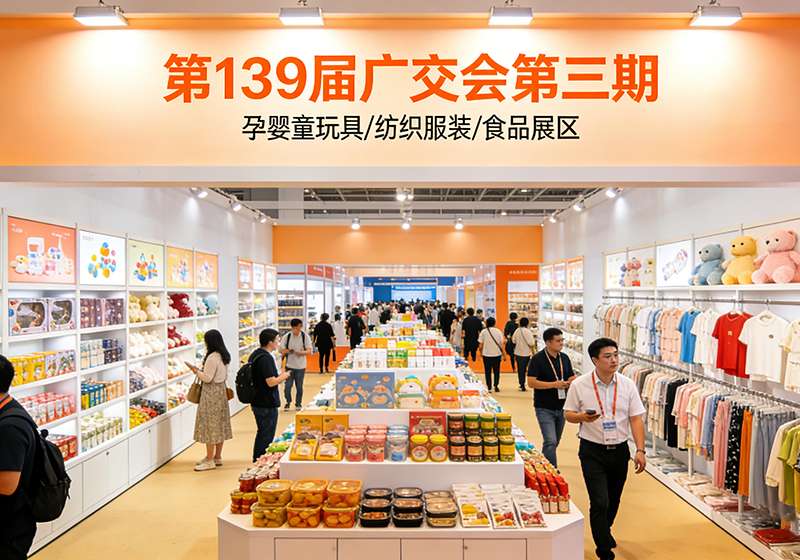
Phase 3 of the 139th Canton Fair: Fashion, Health, and Cultural & Educational Consumption Gain Momentum, Expanding New Horizons for Global Trade
Phase 3 of the 139th Canton Fair: Fashion, Health, and Cultural & Educational Consumption Gain Momentum, Expanding New Horizons for Global Trade NEWS REPORT From May 1 to 5, Phase 3 of the 139th Canton Fair concluded successfully, focusing on consumer goods and healthcare sectors including toys & maternity/baby/children products, fashion (textiles & apparel), home textiles, stationery, health & leisure, medical devices, food, and functional & technical fabrics, injecting warm and robust momentum into global trade. During this phase, functional fabrics and smart textile apparel showcased technological innovations in China’s textile industry, while safe and eco-friendly designs for maternity/baby/children toys and cultural/educational products garnered significant attention. Medical devices and health & leisure products precisely addressed global trends in aging populations and health consumption upgrades. The food section featured specialty agricultural products and processed foods from across China, facilitating the global reach of high-quality Chinese ingredients. Parallel cross-border e-commerce matching events and brand going global forums were held, establishing digital trade channels for small and medium-sized foreign trade enterprises and deepening cross-border cooperation in fashion, culture & education, and healthcare sectors.
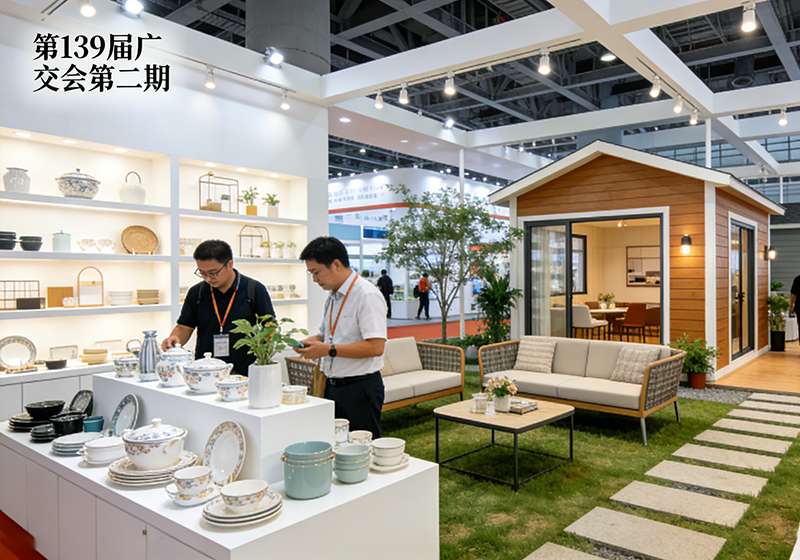
Phase 2 of the 139th Canton Fair: Quality Lifestyle and Creative Design Converge, Illuminating New Scenarios for Home Furnishings Foreign Trade
Phase 2 of the 139th Canton Fair: Quality Lifestyle and Creative Design Converge, Illuminating New Scenarios for Home Furnishings Foreign Trade NEWS REPORT From April 23 to 27, Phase 2 of the 139th Canton Fair successfully kicked off, centering on consumer goods and home building materials such as household products, gifts & decorations, building materials & furniture, daily-use ceramics, kitchen & dining utensils, outdoor facilities, bamboo & wood home goods, and prefabricated houses. It presented global buyers with a trade feast that blends aesthetic design and practical functionality. This phase deeply aligns with global consumers’ demand for quality lifestyles and personalized home spaces, showcasing highlights such as intangible cultural heritage craftsmanship in daily ceramics, lightweight innovations in outdoor leisure facilities, and green prefabricated technologies for integrated housing. Numerous small and medium-sized enterprises participated with original designs and cost-effective products, expanding overseas markets while conveying the meticulous craftsmanship of Chinese consumer goods to the world. The outdoor products and kitchen utensils sections drew high foot traffic, precisely matching consumption upgrade trends in markets like Europe, the Americas, and Southeast Asia, becoming a key driver of growth in home furnishings foreign trade.
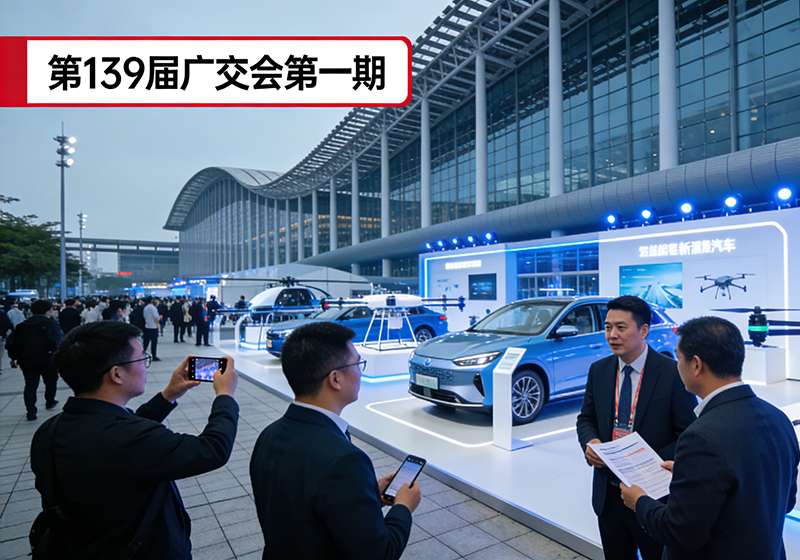
Phase 1 of the 139th Canton Fair: Smart Manufacturing and Green Tech Lead the Way, Fueling New Engines for Global Trade
Phase 1 of the 139th Canton Fair: Smart Manufacturing and Green Tech Lead the Way, Fueling New Engines for Global Trade NEWS REPORT From April 15 to 19, the 139th China Import and Export Fair (Canton Fair) Phase 1 grandly opened in Guangzhou. As one of the world’s largest comprehensive international trade events, this phase focuses on core sectors including consumer electronics & home appliances, industrial manufacturing, vehicles & two-wheelers, lighting & electrical equipment, hardware tools, new energy, smart wearables, display technology, and drones. Thousands of global enterprises gathered to showcase cutting-edge technologies and innovative products, building an efficient platform for global industrial and supply chain connectivity. Guided by the themes of “intelligent upgrading” and “green low-carbon development,” Phase 1 featured new energy vehicles, smart home appliances, industrial robots, and drones as key highlights. Leading companies presented next-generation smart wearables and high-efficiency lighting solutions tailored for global markets, demonstrating China’s manufacturing competitiveness in digital and green transformation. Parallel professional forums and procurement matching events were held throughout the fair, facilitating precise demand alignment between Chinese and foreign merchants and elevating cross-border trade and technical cooperation to new heights.
SERVICE

Financial plan
(1)Our company supports flexible payment methods: a 20% deposit is paid in advance when placing an order, and the remaining 80% is settled after the bill of lading is issued.At the same time, we also have unsecured payment terms ranging from 30/45/60/90-180 days, with a maximum amount of 100000 RMB, to alleviate customers’ financial pressure, which helps both parties to cooperate efficiently. (2)In terms of financial support, to address the pain point of capital turnover for large orders, we have launched a non-mortgage and long-term (30 days or more) capital support plan. There is no need for collateral and the approval process is efficient, helping customers easily secure high-quality orders. At the same time, to avoid exchange rate fluctuation risks and simplify the settlement process, our company specially provides flexible settlement services – all cooperative businesses support pricing in RMB, ensuring transparent and controllable transaction amounts. At the same time, based on customer needs, the final settlement can be completed in the customer’s local currency. This not only eliminates the exchange rate losses and cumbersome procedures for customers in currency conversion, but also aligns with their local financial accounting habits, further reducing cooperation costs and communication barriers. Through the integrated service of “storage coordination + capital support + flexible settlement”, we safeguard the stable expansion of overseas markets for foreign trade enterprises.
Logistics management
Domestic logistics services (1)Door to door pickup/warehouse integration Pick up goods from the supplier’s warehouse or factory and transport them to the designated warehouse of the foreign trade company; Provide value-added services such as warehouse management, cargo sorting, packaging and labeling (including foreign trade marks, customs barcodes), and order sorting. (2)Domestic short distance transportation Short distance trunk transportation connecting factories, warehouses, ports/airports/stations, including whole vehicle and less than truckload transportation, to ensure timely arrival of goods at the port of origin. (3) Customs declaration and inspection supporting services Assist in organizing customs declaration documents (commercial invoices, packing lists, customs declarations, etc.), handle export customs declaration and inspection procedures, coordinate with customs to complete inspection and release, and ensure that goods leave the country in compliance. (4) Core transportation services for international segments Our company is located in Yiwu and offers multiple flight options.We can provide four transportation methods: railway, land transportation, air transportation, and sea transportation. We can provide the best solution for customers to choose based on their actual situation.The mainstream method is suitable for large quantities, low delivery time, heavy goods/soaked goods, and is divided into two types: full container load (FCL) and less than container load (LCL). Supporting services: booking, container towing, payment of port charges, marine insurance coverage, etc.
Warehousing services
Our company can provide goods storage function, even if you only order a small part of the goods, you can still use our warehouse.Support customers in consolidating goods from other suppliers and storing them in the warehouse for centralized management, in order to solve the problem of scattered management of goods. We provide packaging, container loading, customs declaration, agency, etc
Procurement Management
We provide comprehensive supply chain services, from product procurement to placing orders in China. Our product design department can provide customized design for you, At the same time, we can also offer services for on-site inspection and evaluation at the factory to avoid discovering product problems after shipment. We operate legally (fully compliant with tax and legal requirements) and then ship to various parts of the world.

LOVE TO HEAR FROM YOU GET IN TOUCH!
Please fill out the form below and we will get back to you as soon as possible.