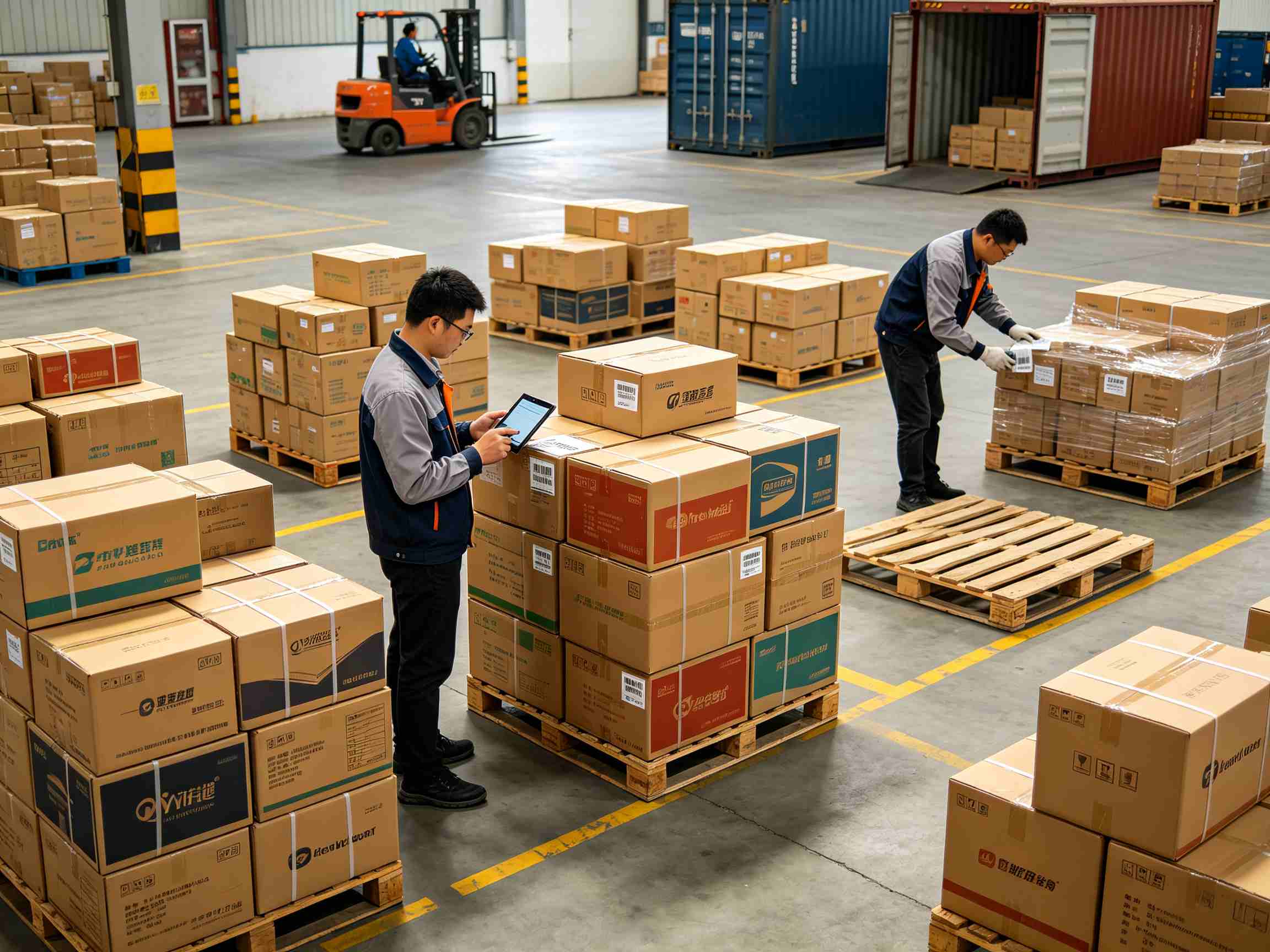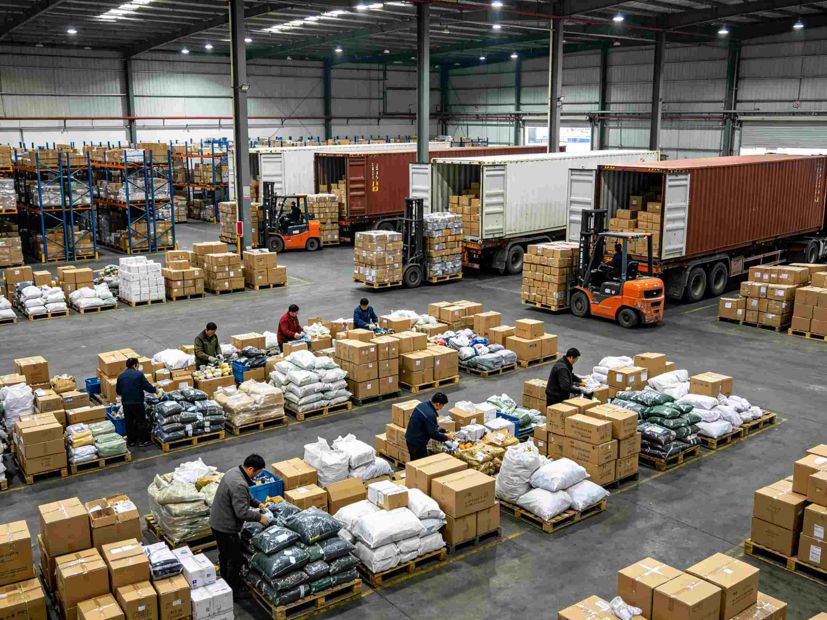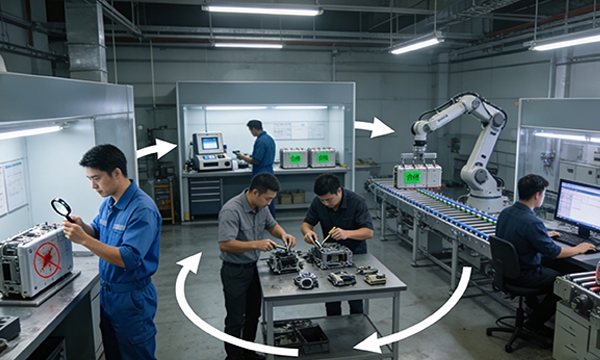
YIHUANHUI offers comprehensive logistics services for heavy cargo, combining multimodal transport, customs management, and smart storage to optimize shipping costs and delivery times.
Yiwu Trade Show’s Viral “Black Tech” Emergency Lamp: 300 Hours of Light From Salt and Water
Yiwu, China – Amid the bustling atmosphere of the Yiwu Trade Show, a minimalist yet revolutionary product has gone viral. It sold out of multiple display cabinets within a single morning, attracting widespread attention from outdoor enthusiasts, disaster rescue teams, and eco-friendly consumers. This salt-water powered emergency lamp is a disruptive innovation in outdoor gear. It features extremely simple operation: just pour water and salt into the dedicated bag, seal it tightly, and shake it gently. The lamp will instantly turn on, delivering continuous lighting and emergency alarm functions for up to 300 hours, winning massive popularity with its cutting-edge black technology.
No Batteries, No Charging – Just Salt, Water, and Innovation
There is no need for bulky power banks, disposable batteries, or grid electricity. This compact and portable lamp operates on a professional electrochemical principle. It generates ions through a chemical reaction between aluminum blocks and graphene. With the electrolyte connecting the positive and negative poles of the battery, electric power is continuously supplied to the LED light source, converting ordinary saltwater into sustainable clean energy. The operation is effortless: simply add the matching salt packet and water into the special bag, seal and shake it slightly, and the high-brightness LED light and emergency alarm will activate immediately. A single saltwater mixture supports up to 300 hours of continuous operation in 24-hour lighting mode.
“Visitors were amazed by its user-friendly design,” said a show representative. “Campers, hikers and emergency preparedness professionals all stopped to inquire, stating that this product solves their biggest outdoor pain point — sudden light failure in critical moments. In addition, numerous domestic and overseas suppliers have shown tremendous interest in this item and expressed strong intentions for cooperation.”
Built for Every Scenario, From Camping to Crisis
Boasting strong versatility and advanced technological support, this lamp has become a viral hit with wide-ranging applicability:
Outdoor Adventures: Ideal for camping, fishing, hiking and other off-grid outdoor activities. Lightweight and fully waterproof, it fits easily into backpacks without adding extra burden. The built-in alarm function can send out distress signals in emergencies, greatly improving outdoor safety.
Emergency Preparedness: Perfect for power outages, natural disasters and rescue missions where traditional lighting devices often fail. It works with seawater, tap water and even brackish water. Combining stable lighting and emergency alarming functions, it serves as a reliable lifeline in remote areas and disaster-stricken zones.
Eco-Friendly Design: It requires no disposable batteries and produces no toxic waste or carbon emissions during use. Adopting the eco-friendly power generation mechanism of aluminum and graphene chemical reaction, it is safe and pollution-free, meeting the booming market demand for low-carbon and sustainable outdoor equipment.
Why This Yiwu Showstopper Is Flying Off Shelves
As a global hub of trade and innovation, Yiwu has witnessed countless new products. This emergency lamp stands out perfectly with its minimalist design, core technological advantages and high practicality, winning high praise from all exhibitors. Its core strengths are as follows:
Ultra-Long Endurance: Provides over 300 hours of continuous lighting with one saltwater refill, far outperforming traditional disposable flashlights.
Zero-Charge Convenience: No pre-charging or daily maintenance required. It starts working instantly after adding salt and water and shaking, with dual functions of lighting and emergency alarming.
Portable & Durable Build: Rugged construction adapts to harsh and complex environments, working stably in rainy, humid campsites and tough disaster relief scenarios.
Cost-Effective & Accessible: Priced affordably for mass consumption. It is suitable for ordinary families, outdoor lovers and rescue organizations, delivering high commercial value and market potential.
The Future of Emergency Lighting Is Here
With the frequent occurrence of climate-related disasters and the growing popularity of off-grid living, the demand for reliable and eco-friendly emergency lighting is higher than ever. Far from being a fleeting viral gadget, this salt-water powered lamp is a practical necessity empowered by graphene and aluminum reaction technology. Integrating long-duration lighting, emergency alarming and green power generation, it has revolutionized the traditional emergency lighting industry.
“We sold out multiple batches before the end of the exhibition, with continuous orders pouring in from distributors across Asia, Europe and other regions worldwide,” the representative added. “A large number of global suppliers have shown great enthusiasm for cooperation. The market feedback is extremely positive. Industry insiders recognize it not merely as an outdoor product, but as an essential preparedness tool for unexpected emergencies and outdoor travel.”
For campers, emergency preppers and all outdoor adventurers, a new lighting solution has arrived. Free from grid dependency, this innovative lamp delivers long-lasting illumination and emergency alerts with just salt and water, keeping you safe and never left in the dark during outdoor trips and sudden crises.
New Policy on Export Tax Rebates for Daily Necessities Takes Effect on April 1st: Structural Adjustments Guide Foreign Trade Enterprises to Upgrade
Starting from April 1st, the 2026 export tax rebate adjustment policy for daily necessities (Announcement No. 2) has officially taken effect. Focusing on structural adjustments, it adopts “selective reductions and protections” for tax rebates of ceramics, household items and batteries, with the customs declaration export date as the sole criterion, affecting enterprises’ costs and profits and promoting the industry’s shift to high-quality development.
Traditional daily necessities (e.g., ceramics, ordinary glass) have their tax rebate rate cut from 3%-9% to 0% without a transition period. Civilian batteries will see a rate drop from 9% to 6% (Apr-Dec 2026) and full abolition in 2027.
Meanwhile, high-value-added products (e.g., high-end home textiles, eco-friendly household goods) are supported, with some tax rebates raised from 11% to 13%. A taxation official said the adjustment is not “one-size-fits-all” but aims to optimize the industry and promote green, branded development.
A late-March customs declaration rush occurred as enterprises rushed to lock in tax rebates. A Guangzhou foreign trade enterprise noted zero tax rebate for ceramic tableware has increased costs, leading to price negotiations and order adjustments.
Compliant declaration is key: accurate HS code declaration and complete document filing are required, with strict inspection on irregularities. Export tax rebates are fully electronized for higher efficiency.
Taxation and customs departments have provided policy guidance. Insiders said short-term pressure will accelerate industry reshuffling, urging enterprises to increase R&D and expand high-value-added products and cross-border e-commerce.
A Ministry of Commerce spokesperson stated the adjustment optimizes foreign trade structure. Relevant departments will optimize tax rebate services to help enterprises transition and boost high-quality daily necessities exports.
China Strengthens Export Controls on Dual-Use Items to Regulate Foreign Trade Order
Since the beginning of 2026, China has achieved remarkable results in upgrading export control measures for dual-use items. This upgrade not only implements the requirements of relevant regulations but also aligns with the needs of the foreign trade industry. Through full-chain supervision, while safeguarding national security and fulfilling international obligations, it regulates foreign trade operations, and supports the high-quality development of foreign trade and the stability of global industrial and supply chains.
Dual-use items refer to goods, technologies, and services that have both civil and military uses and may be used in fields related to weapons of mass destruction, which are a key focus of China’s foreign trade supervision. The core principle of China’s control is to balance security and development, ensure the smooth flow of legitimate foreign trade, and strictly prevent relevant items from flowing into sensitive areas.
This control focuses on key strategic items in the foreign trade field such as tungsten and rare earths, refines the control list, and strengthens approval and port supervision. In February 2025, 25 tungsten-related items were included in the control list, requiring special permits for export; in January 2026, the measures were tightened, prohibiting the export of tungsten products to relevant Japanese military enterprises and implementing “penetrating supervision”.
The General Administration of Customs stated that China has established a full-chain supervision system, abolished the registration of export operators, implemented paperless license management, optimized the approval and inspection processes, and guided enterprises to avoid risks through compliance training.
The upgrade of controls has affected the global foreign trade pattern and promoted the optimization of China’s foreign trade structure, leading to a rise in global tungsten prices and forcing enterprises to strengthen compliance construction and transform to high-value-added fields. The Ministry of Commerce stated that the policy is in line with domestic laws and international practices, and it will dynamically adjust the control list and strengthen international cooperation in the future. Insiders believe that strengthening controls not only safeguards national security but also regulates foreign trade order, and subsequent efforts will deepen inter-departmental coordination to support the steady and long-term development of foreign trade.