
- Home
- Products
- Baby products
- Baby Teether
- Baby Chicken Teething Ring Wooden Silicone Cover Teething Relief Toy YG0112
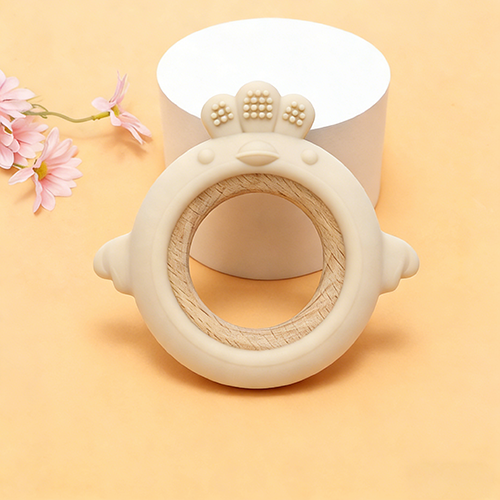
Baby Chicken Teething Ring Wooden Silicone Cover Teething Relief Toy YG0112
Description
This is a soothing silicone teething ring specially designed for babies in the teething stage. It combines the cute chickens shape with gentle color aesthetics, providing gentle companionship to protect the baby’s teething period. The soft color aesthetics and cute design are inspired by the lively frog outline, creating a round and adorable ring-shaped silicone teething ring. There are 10 low-saturation macaroon colors, ranging from powder rose to foggy gray-blue, from warm mango to calm indigo. Each color is as soft as spring dew, not only soothing the baby’s visual senses but also becoming a gentle embellishment in the feeding scene. The gentle touch and reassuring protection are selected from food-grade liquid silicone. The texture is as soft as clouds, gently relieving the pain of teething when it lightly touches the gums, providing just the right comfort for the baby. The edges are finely polished, round and without sharp corners; the ring size (outer diameter about 7.84 cm, inner diameter about 7.2 cm) fits the arc of the baby’s small hand for grasping, and is not likely to slip when chewing, with every detail hiding a caring protection. The companion design and multi-scenario adaptability is both a soothing teething ring to relieve teething discomfort and a fun toy for the baby to grasp and play with. The high-temperature silicone material supports boiling disinfection, making daily cleaning easy and convenient; the lightweight and portable size allows it to accompany the baby through every stage of teething at home, outdoors, etc., becoming a gentle companion on the journey of growth. The healing gift and practical aesthetics with soft colors and cute designs make it not only a practical good but also like a nurturing newborn gift. The rich color selection is suitable for different feeding scenarios, whether for personal use or as a gift for friends and relatives, it can convey a gentle parenting intention.
Dual safety material : Food-grade edible silicone + natural beechwood, more reassuring to chew and bite
Relieves teething discomfort : Silicone raised particles, gently massage the gums, relieve itching and swelling
Cute and eye-catching design : Cartoon animal shape + soft pastel color, more loved by babies
Thoughtful anti-slip and easy-to-hold :Beechwood inner ring is smooth and fine, easy to hold without slipping, suitable for babies’ small hands
Size :7.84*7.2cm
Daily family life: When the baby wakes up to play or sits alone seeking comfort, this helps relieve the itching and swelling of the gums during teething and replaces the habit of sucking on fingers.
When out: Portable and easy to carry, strollers, dining tables and chairs, and travel bags are always prepared. This helps soothe the baby without causing panic.
Early education interaction: In parent-child games, guide the baby to grasp, which helps develop the baby’s fine motor skills.
Sleep assistance: Gentle rocking to calm the baby’s emotions and accompany the baby to fall asleep smoothly, suitable for relaxation before bedtime.
Q1: Is the material of this rattle safe? Will there be any problems if the baby chews on it?
A: It is completely safe. The main body is made of food-grade edible silicone and natural beechwood, without any unpleasant smell or harmful additives. It complies with the safety standards for infant products, so the baby can chew on it without any worries and without any burden.
Q2: Is the silicone part prone to getting dirty? How should it be cleaned and disinfected?
A: Cleaning is super convenient. Daily use can be done with just water rinsing; for deep disinfection, boiling water can be used (3-5 minutes). The silicone is temperature-resistant and the beechwood is waterproof. It won’t age or deform even after repeated disinfection.
Q3: Will the baby slip when holding it? What age range is it suitable for?
A: It won’t slip. The inner beechwood part is smooth and has texture, providing a self-anti-slip effect, which fits the baby’s habit of holding with their small hands. It is specially designed for babies in the teething stage, suitable for infants aged 3-24 months, meeting their different stages of teething and soothing needs.
- Target Audience
Designed specifically for infants aged 3 to 24 months during the teething period, suitable for babies with teeth grinding or sucking their fingers habits, and those who need emotional comfort.
- Preparations Before Use
Before the first use, the entire product should be placed in boiling water for 3 to 5 minutes for disinfection, or it can be cleaned by soaking in a baby-specific dishwashing agent, then dried and used by the baby.
- Before each use, check the product condition to ensure that the silicone is undamaged and cracked, the beech wood is free from chips and loosening, and the sound-producing components are normal. If any damage is found, stop using the product immediately.
III. Correct Usage Methods
After cleaning and disinfecting, hand the rattle to the baby and guide them to independently grasp the inner wooden ring. Let the silicone part fit against the gums for chewing, and use the raised particles to massage the gums to relieve discomfort.
- During use, adult supervision is required throughout the process. Avoid the baby biting it while sleeping to prevent the risk of accidental swallowing.
- Cleaning and Maintenance
After each use, rinse the surface stains with clean water, or gently wipe the silicone gaps with a soft-bristled brush. After drying, store it in a ventilated and dry place.
- It is recommended to conduct deep disinfection 1-2 times per week. Avoid using high-temperature long-term steaming to prevent deformation of the ash wood; Do not use a hard brush to scrub vigorously as it may damage the silicone and the wooden surface.
- Avoid exposing the product to direct sunlight and high-temperature conditions. Keep it away from sharp objects to prevent scratches on the product.
- Notes and Reminders
This product is not food and cannot replace complementary food. It is only used for teething and soothing purposes.
- If the baby is allergic to the material (showing symptoms such as redness and swelling in the mouth or rashes), stop using it immediately and seek medical attention.
- The recommended usage period for the product should not exceed 12 months. Regular replacement is necessary to maintain hygiene and safety.
User 1 (6-month-old baby): The material is very soft. The baby feels very safe when chewing on it. Before, the baby always sucked her fingers. Now, when held in the arms, she doesn’t chew anymore. When shaken, it makes a soft sound, which is great for soothing sleep. The appearance quality is also high. The macaron color is particularly eye-catching.
User 2 (new mom): The cleaning is very convenient. Even after boiling and steaming, it doesn’t deform. The beechwood part doesn’t slip. My baby’s little hands won’t let go once grabbed it. When the baby is fussy during the teething period, giving this can soothe her. The cost-performance ratio is absolutely amazing.
User 3 (second child mother): This baby teething toy is more practical than the ones I bought before. The silicone is durable and can withstand chewing. There are no loose pieces or color fading. The baby can use it for teething and also for playing. It’s also good for developing hand-eye coordination. I have already recommended it to other mothers around me.
User 4 (Baby 10 months): The sound is not harsh. The baby doesn’t resist. When the gums itch, the baby chews for a while and then becomes quiet. The details are well done. There are no sharp edges or corners. The baby can play with it without worry. It’s worth buying.
PRODUCTS
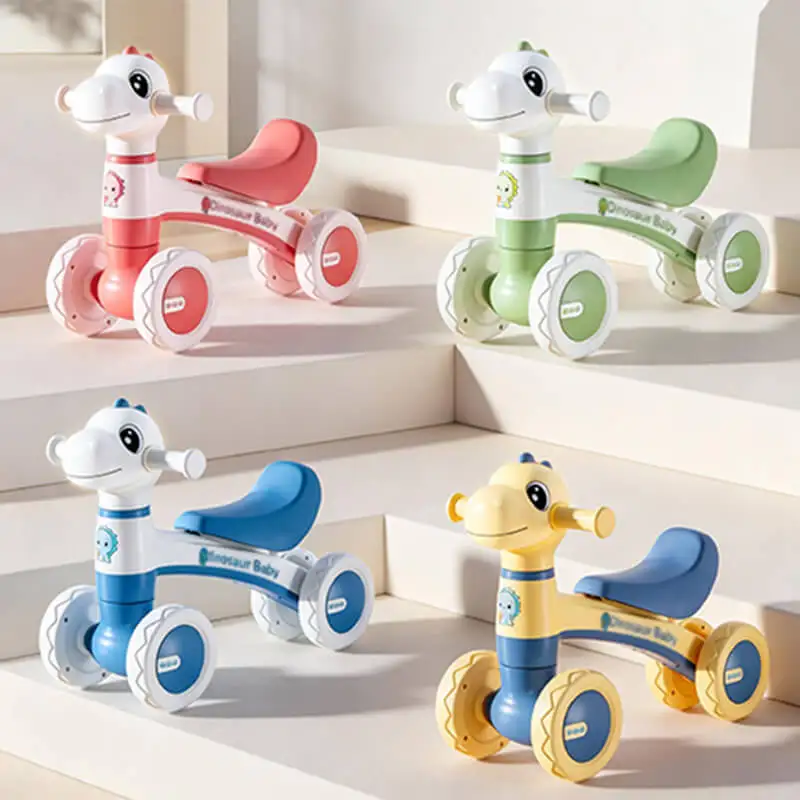
Dinosaur Ride On Quad Scooter with Music & Light for 1-3 Years Old Kids YG0244
This dinosaur baby scooter is a dream companion specially designed for 1-3-year-old kids. It perfectly combines child-friendly aesthetics with reassuring companionship, resembling a mobile playground of childlike fun. The marzipan and warm white color combination creates a soothing and gentle visual experience. The cute dinosaur design is endearing and adorable, with chubby lines and a smooth, unframed body that gently wraps around all sharp edges, ensuring that every touch by the baby is filled with peace of mind. The low center of gravity and widened non-slip seat securely support the baby's exploration time. The silent and non-slip four-wheel design glides smoothly like clouds across the ground, whether in a sunlit living room or on a grassy outdoor area, allowing the baby to glide freely. The built-in soft light and child-friendly melody flow synchronously during the ride. The lively notes and warm yellow halo not only brighten up the playtime but also awaken the baby's sensory perception, making every exploration full of surprises. The eco-friendly PP material is non-toxic and odorless, like a mother's embrace, being safe and reliable. It is not only an enlightenment teaching aid for the baby to exercise balance but also a dream vehicle to decorate childhood. With delicate companionship, it safeguards every step of the baby's hesitant yet courageous growth.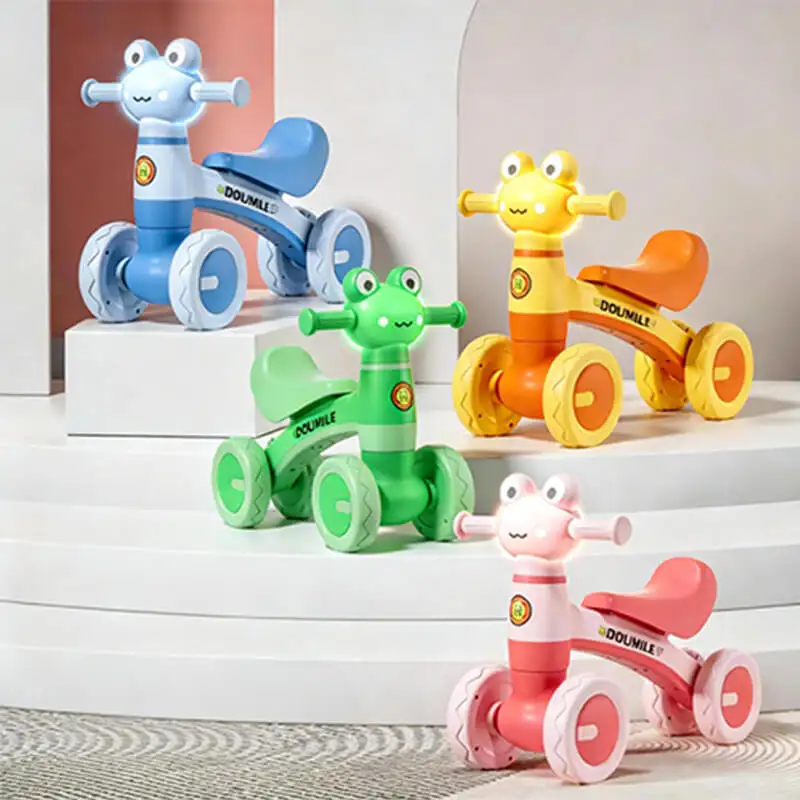
Frog Quad Scooter for Kids 1-3 Years No Pedals Music Light Ride On Toy YG0243
This is a children's scooter themed around cute frogs, specially designed for babies in the 1-3 year old toddler stage. It is not only a fun toy to accompany play, but also a learning tool to help babies improve their balance. It retains the low-center-of-gravity four-wheel structure, combined with silent and anti-slip soft wheels. It ensures stable sliding and prevents side overturning, while not scratching the floor at home. The pink and tender frog-shaped scooter head comes with soft lighting and music functions. When the baby rides, it will play cheerful children's songs simultaneously, turning play into a fun and light-hearted adventure full of sounds and lights. The fully rounded body design balances comfort and safety, allowing the baby to gain happiness and growth during exploration.
Baby Learning Walker Quad Scooter Square Design with Music & Lights for Toddlers YG0246
This is a children's four-wheel balancing scooter, mainly designed for babies aged 1-3 years old. It is a learning toy vehicle that combines the functions of sliding, playing and early education.Stable anti-rollover design: It features a widened four-wheel structure and anti-slip, wear-resistant, and silent tires, which can significantly reduce the risk of babies falling or rolling over while sliding, making it more suitable for children in the early learning stage. Multi-functional play experience: The handlebar is equipped with lighting and music functions. When turned on, it will play children's songs, stories or sound effects, which can attract the baby's interest and also have the function of early education. Comfortable and safe details: It uses a soft saddle and a body shape that conforms to ergonomic principles, so that the baby won't get tired after sitting for a long time; the entire vehicle is made of environmentally friendly PP material, with no sharp edges, ensuring the safety of the baby during play. No installation required and portability: It can be used immediately after opening the box. The vehicle is lightweight and can be easily picked up and moved by parents, and is also suitable for carrying when going out. Main functions It is not only the baby's first "toy car", helping to exercise balance, leg strength and limb coordination, but also can stimulate the baby's auditory and visual development through music and lights. It is a children's toy that combines learning, exercise and entertainment functions.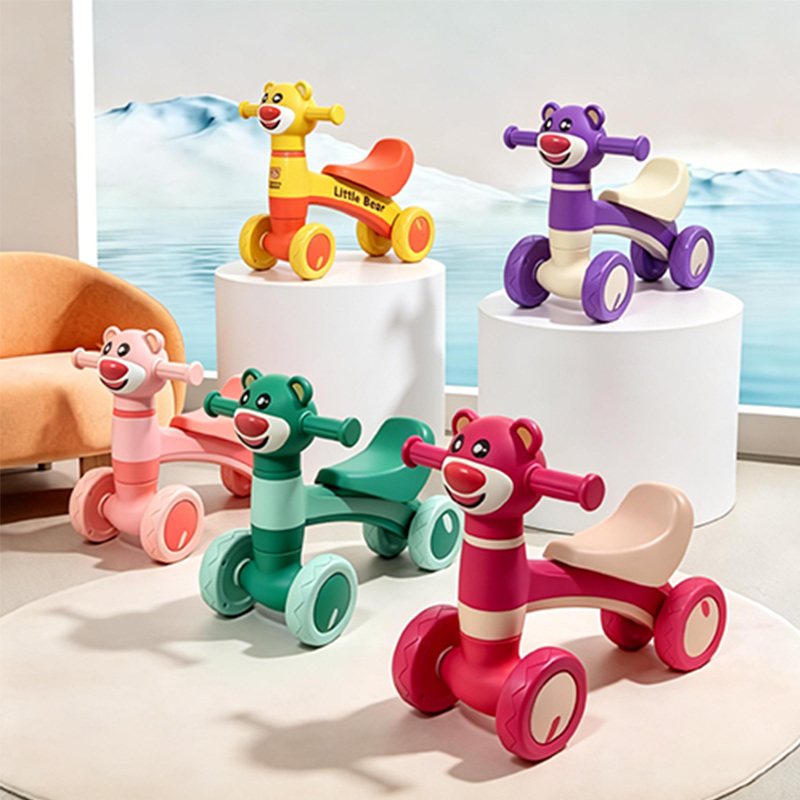
Kids Quad Scooter Learning Walker with Music Lights for Toddlers 1-3 Years YG0252
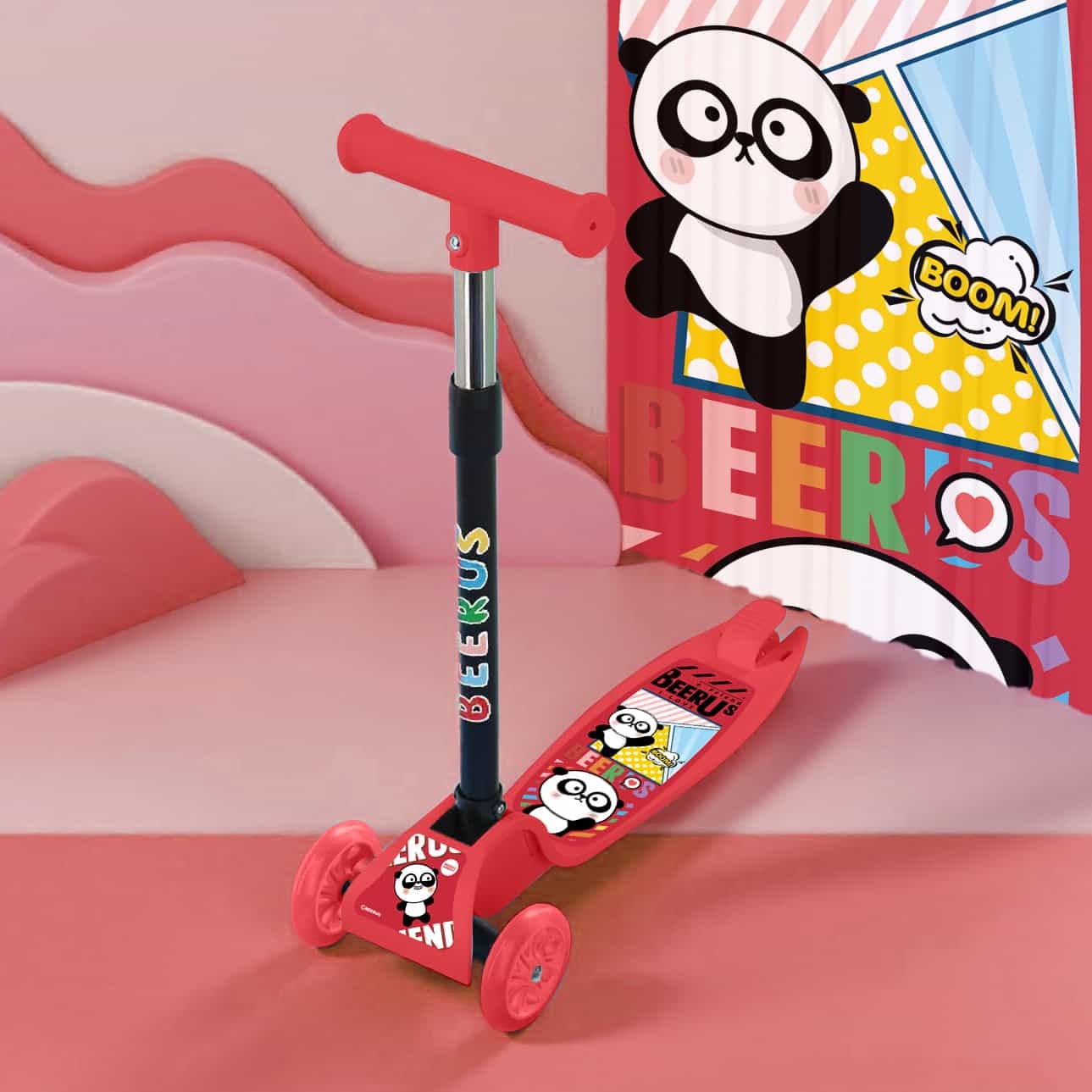
Pink Bear Stroller: Carrying the soft and cute childhood on a journey It is not just a baby walker; it is more like a fluffy companion in a baby's childhood, providing gentle companionship and safeguarding every step of the bumpy growth. The cute appearance level, crashing into the child's heart The pink and white color combination is like crushed cherry blossoms and honeyed peaches. The three-dimensional bear head has a playful smile, as if inviting the baby, "Come on, let's set off together." Every time you hold the handlebars, it is a hand-holding with the little bear; every time you glide, it is embarking on a soft childhood adventure. Steadily guarding, step by step with peace of mind The widened four wheels are like gentle palms, supporting the baby's wobbly exploration; the soft saddle seat supports the little body, making the playtime become soft. The silent wheels glide across the floor, like standing on tiptoes like clouds, not disturbing the afternoon nap, nor wearing out the warmth of home. During the sliding, courage grows Without the restraint of pedals, the baby measures the world with their feet. Every step on the pedals is the growth of strength, every turn is the practice of balance. The low and close-to-the-ground body is like laying a soft cushion for courage, allowing the little explorer to dare to move forward, in the steady sliding, growing the confidence to stand on their own feet. One room, one hall, all is the distant place It is the pink rainbow in the living room, and also the cute companion under the sun.BLOG

Yiwu Sourcing Agent: Simplify China Imports with Ease
Discover how a Yiwu sourcing agent simplifies supplier sourcing, quality control, warehouse consolidation, and shipping from China.
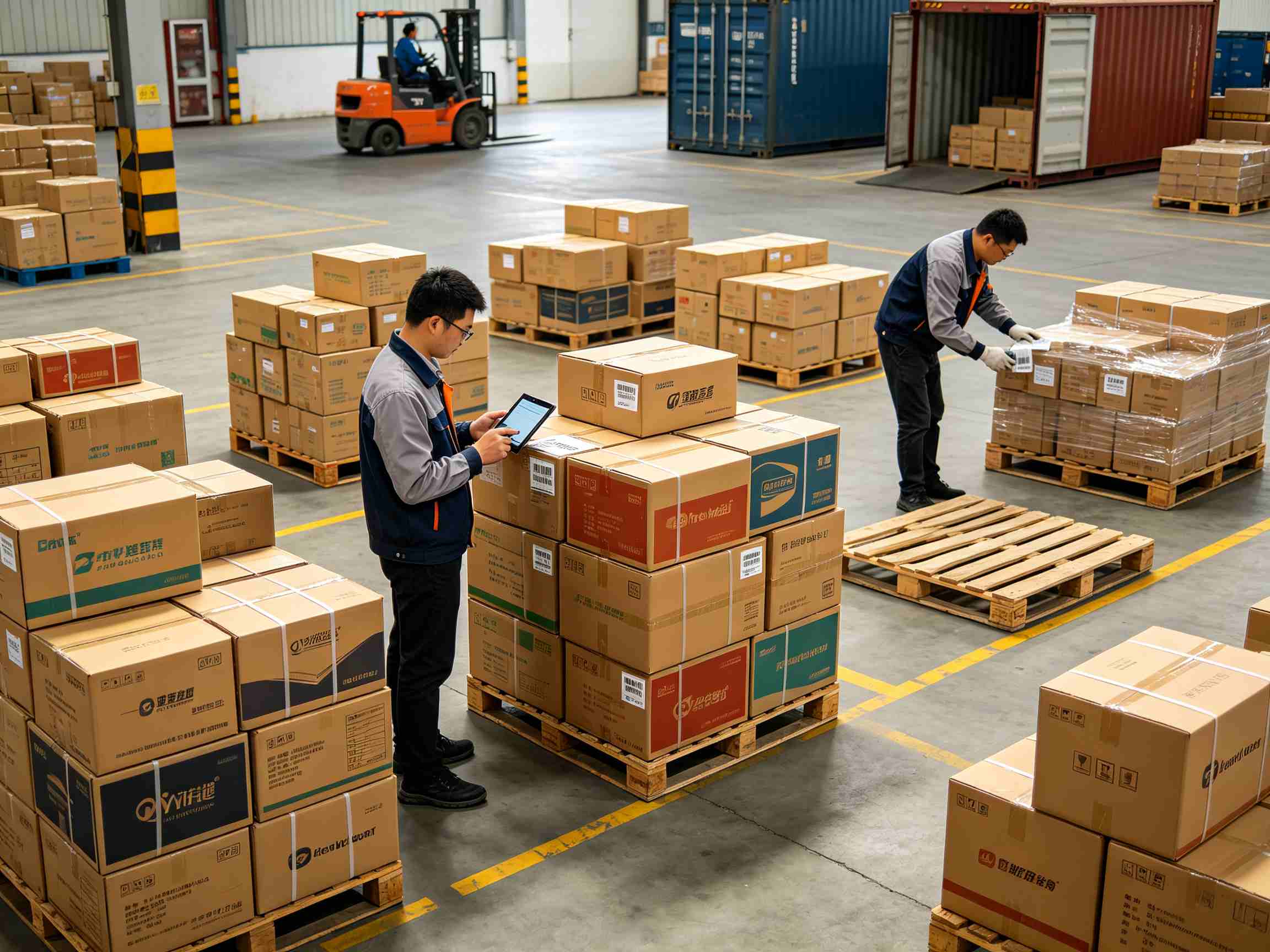
Yiwu Supply Chain Management Services for Global Buyers
Discover Yiwu supply chain management services for global buyers, from supplier sourcing and quality control to warehouse consolidation and international logistics.
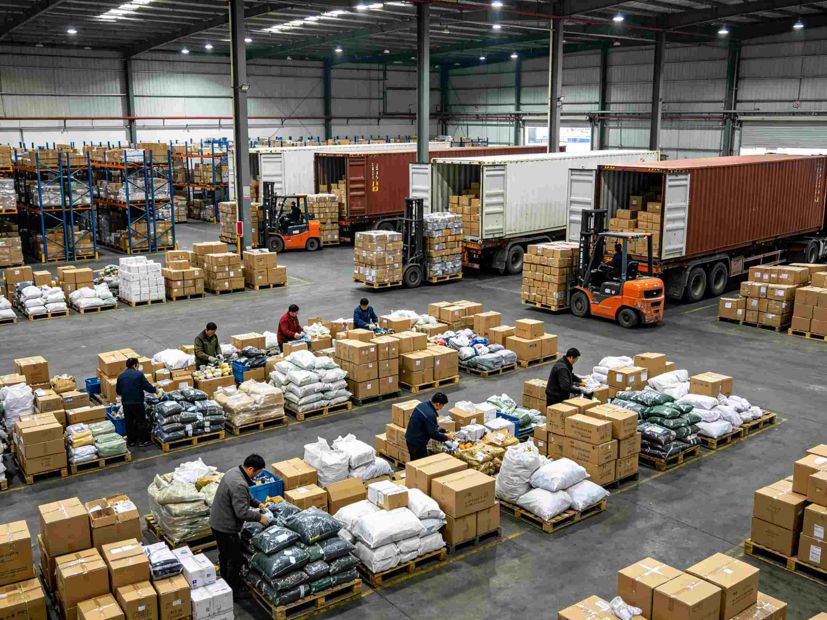
Professional Sourcing Agent in Yiwu for End-to-End Trade
Find a Yiwu sourcing partner for supplier selection, product checks, warehouse consolidation, export documents, and shipping coordination.
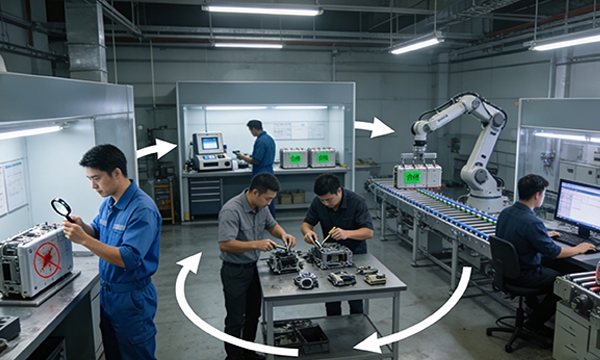
Yiwu Sourcing Agent for Small Businesses | Low MOQ China
Find a reliable Yiwu sourcing agent for small businesses. YIHUANHUI offers low MOQ sourcing, supplier management, quality inspection, and China supply chain support.
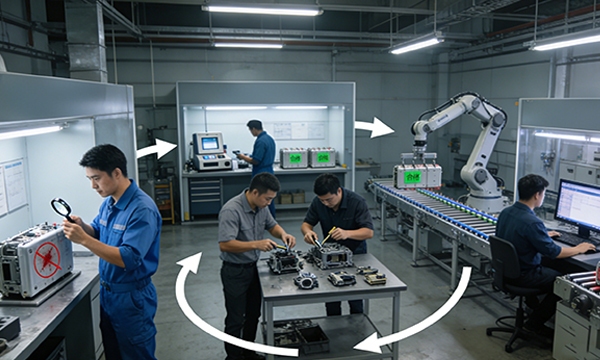
Best Sourcing Agent in China 2026: Build a Smarter Supply Chain
Discover how a reliable China sourcing agent helps global buyers manage suppliers, quality control, logistics, and build efficient supply chains in 2026.

China Buying Agent Service: A Smarter Way to Wholesale
See how a China buying agent service manages suppliers, quality checks, warehouse consolidation, and shipping for a smoother wholesale workflow.

How to Source Baby Products Wholesale from China Successfully
Learn how to source baby products wholesale from China with expert tips on supplier selection, quality control, logistics, and branding from YIHUANHUI.
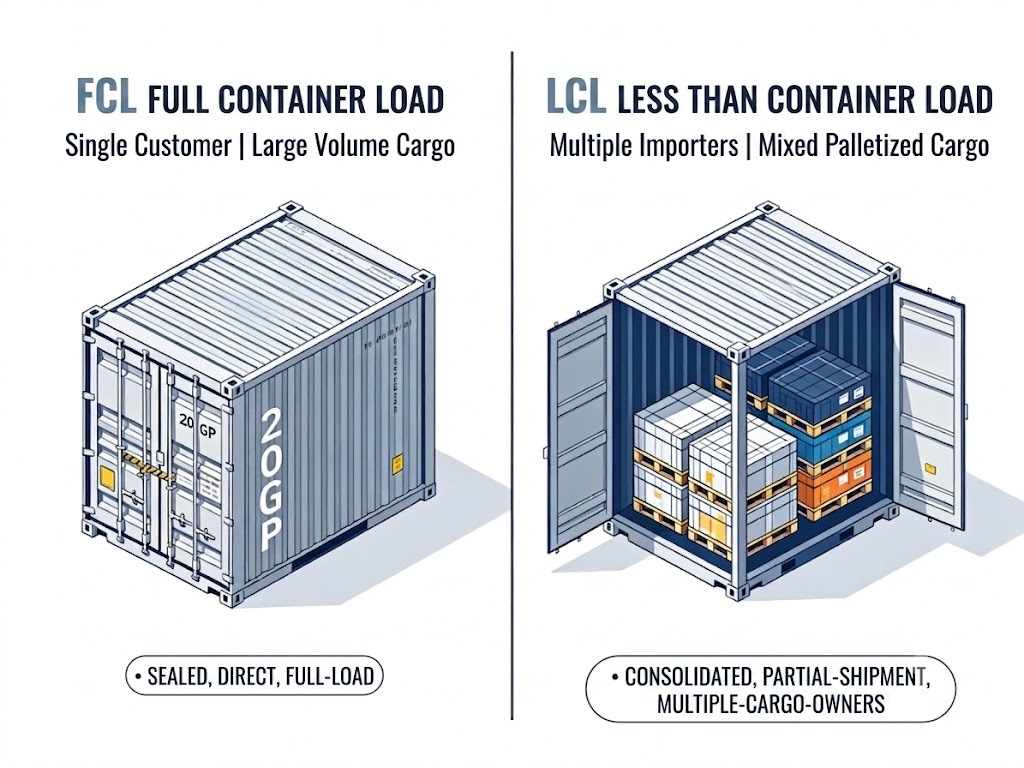
Yiwu FCL & LCL Shipping Service: Which Option Saves More
Compare Yiwu FCL and LCL shipping service costs, transit times, customs clearance, and cargo consolidation to choose the best shipping solution for your business.

How to Find a Reliable Yiwu Sourcing Agent | Expert Guide
Learn how to choose a reliable Yiwu sourcing agent for supplier verification, quality inspection, warehousing, logistics, and cost-effective China sourcing.
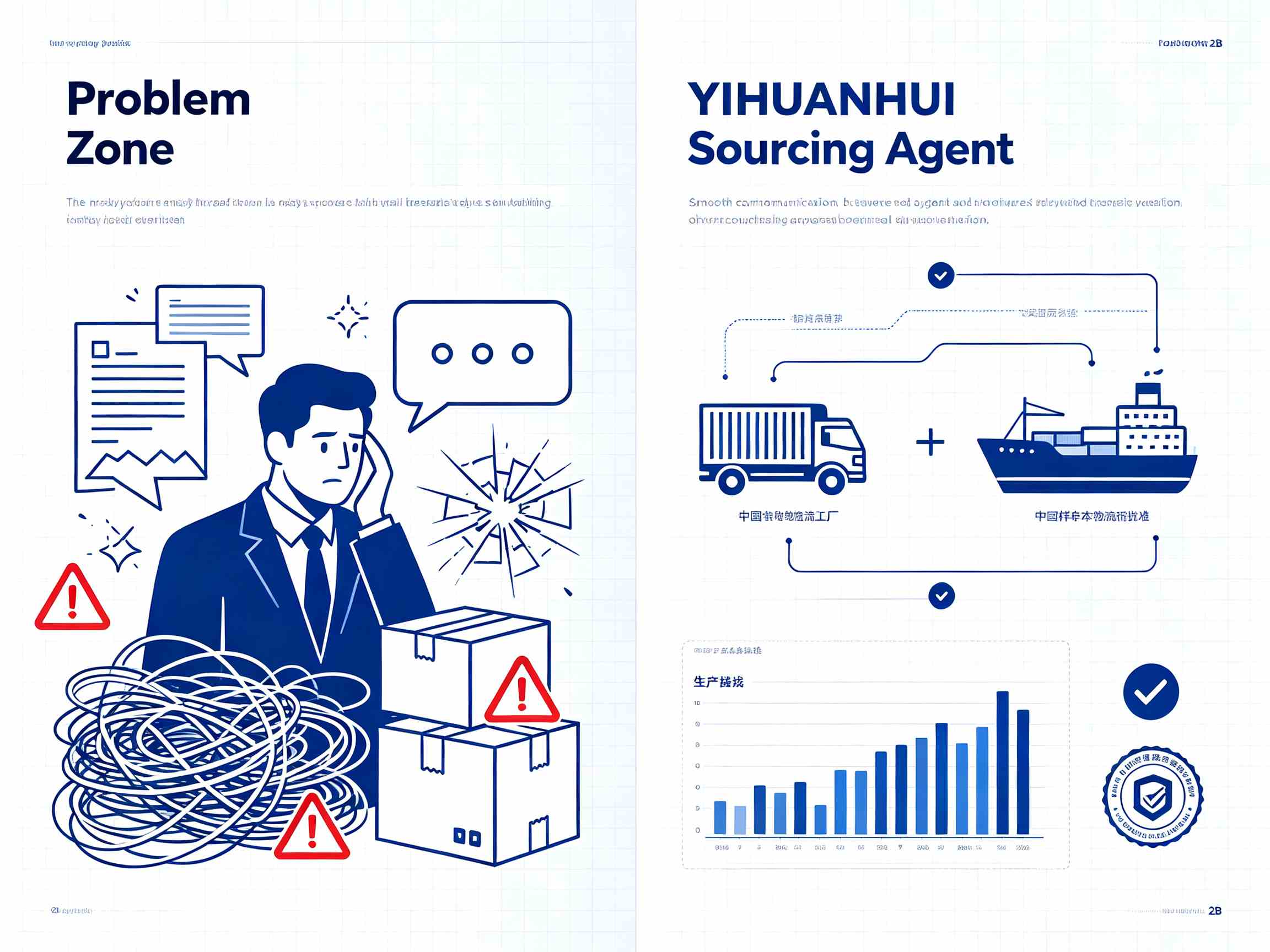
Why Overseas Buyers Choose a Private Agent in China
Discover why overseas buyers choose a private agent in China for sourcing, supplier verification, quality control, and end-to-end supply chain management.

Private Agent China vs. Direct Factory: Better B2B Sourcing
Compare a private agent in China with direct factory sourcing. Learn how lower MOQs, quality control, supplier verification, and logistics reduce sourcing costs.

Sharp Reversals! August 2026 Middle East Crisis: Averted Strikes, Failed Talks and Lingering Tensions
Sharp Reversals! August 2026 Middle East Crisis: Averted Strikes, Failed Talks and Lingering Tensions Early August 2026 has brought unprecedented volatility to the Middle East. A looming large-scale U.S. airstrike on Iran was abruptly canceled at the last minute, while subsequent diplomatic negotiation rumors were quickly refuted. In just three days, the region swung from an imminent war alert to a tense standstill, with no real de-escalation in sight. I. Escalation: U.S. Military Buildup Sparks Full Crisis Alert Tensions surged on August 1, as the U.S. finalized plans for intensive airstrikes targeting Iran’s key energy facilities, set to be the harshest military blow against Iran in recent years. The U.S. launched a full regional emergency response, issuing high-level security alerts and evacuation orders across multiple Middle Eastern nations, including Israel, Saudi Arabia, the UAE and Iraq. Massive military forces were deployed to the Persian Gulf and Red Sea, triggering global market risk aversion. Iran responded with a tough stance, placing its military on the highest combat readiness and completing full counterattack plans. It warned the U.S. against military adventurism, stressing it would never yield to force-backed coercion. II. First Reversal: U.S. Calls Off Strikes, Leaving Allies Uninformed On August 2, U.S. President Trump suddenly announced the complete cancellation of planned airstrikes on Iran and signaled openness to diplomatic dialogue, defusing the immediate war threat. Notably, Israel — the U.S.’s core ally deeply involved in the strike plan — received no official prior notice. Israeli senior officials only learned of the policy shift via social media. This incident exposed serious trust deficits and structural rifts within the U.S.-led Middle East alliance system. III. Second Reversal: Negotiation Hopes Fully Shattered The strike cancellation briefly calmed market tensions and fueled hopes of U.S.-Iran talks, yet the optimism proved short-lived. Iran officially rejected any imminent negotiations with the U.S., clarifying that America’s peace overtures were unilateral political posturing. Iran reiterated its core stance: no diplomacy under military pressure, dismissing the U.S.’s dual tactic of military buildup and empty diplomatic gestures as hypocritical. The region now faces a stagnant deadlock: combat is paused, but confrontation remains extreme. Neither side has withdrawn military forces. The Persian Gulf stays tightly controlled, and regional high alert status remains unchanged. IV. Core Geopolitical Analysis The rapid back-and-forth shifts reflect intensified U.S.-Iran strategic rivalry. The U.S. hesitated between military suppression and strategic caution: it seeks to curb Iran’s regional influence but fears a full-scale war would disrupt global energy markets and undermine its global strategic priorities. Iran’s uncompromising attitude stems from years of sanctions and external pressure. It has established mature countermeasure systems, recognizing that compromise only invites further suppression. Meanwhile, America’s unilateral decision-making has weakened its Middle East alliance cohesion, widening strategic divergences with regional partners. V. Outlook: Long-Term Tensions Persist The crisis reprieve is only temporary. All fundamental Middle East contradictions remain unresolved — U.S.-Iran hostility, regional power competition, energy conflicts and territorial divides still fuel confrontation. Large-scale war risks have dropped in the short term, but small-scale skirmishes, intelligence clashes and regional frictions will remain frequent. Regional security alerts and military readiness will continue. In the long run, U.S. deterrence and Iranian countermeasures will keep the Middle East unstable. The region remains a global powder keg, vulnerable to sudden conflict escalation from minor strategic miscalculations. There is no peace, only a fragile pause in hostilities. The Middle East geopolitical game remains volatile and unpredictable.
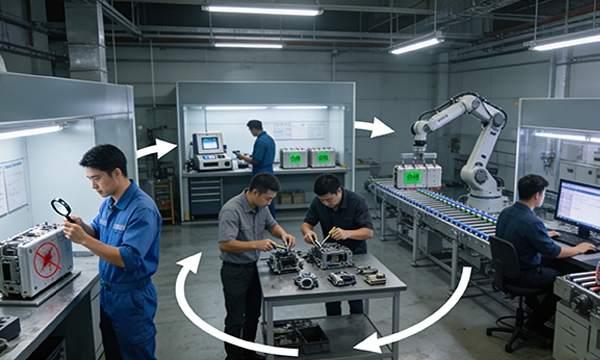
Quality Inspection in Yiwu Before Shipping from China (2026 Guide)
Learn how quality inspection in Yiwu helps prevent defects, reduce sourcing risks, and ensure product quality before shipping from China with YIHUANHUI.
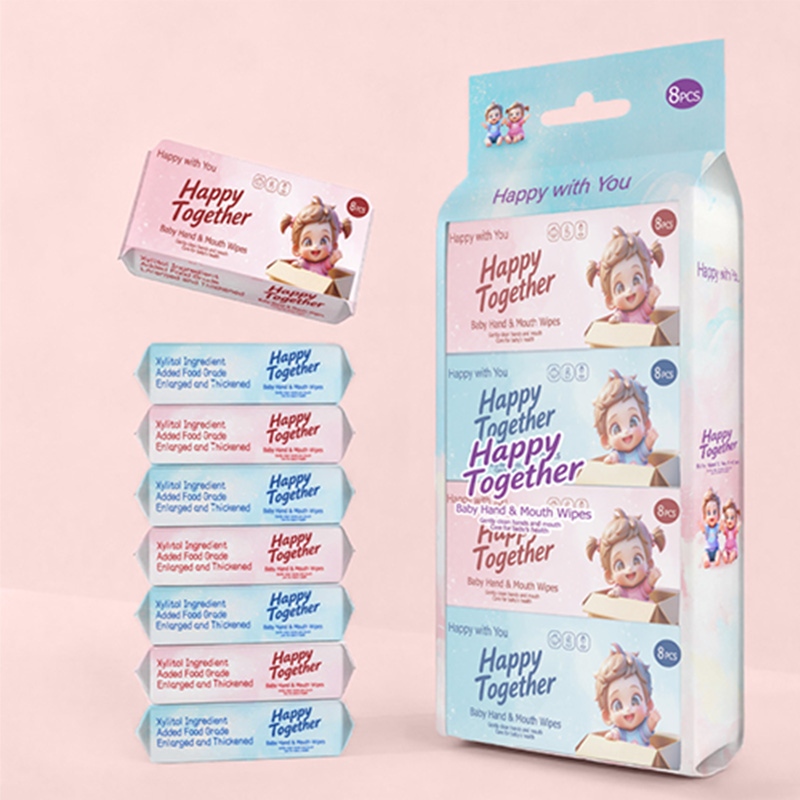
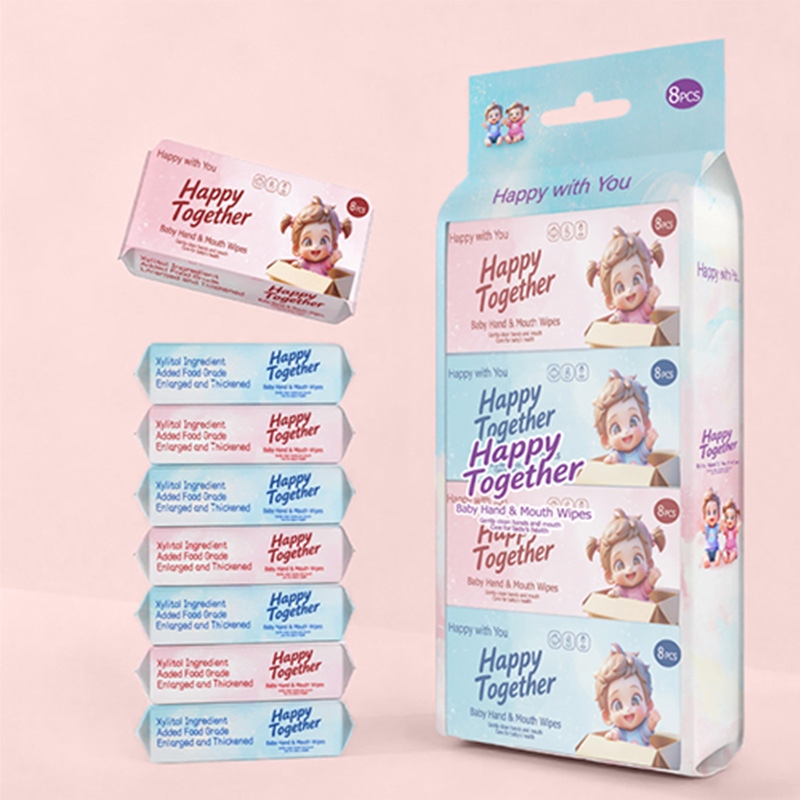
Best Wipes for Newborns: 2026 Sourcing Guide
Source safe, fragrance-free newborn wipes from China with tips on materials, private label packaging, QC, warehousing and cross-border logistics.

Top Yiwu Wholesale Market Import Mistakes to Avoid
Avoid costly sourcing mistakes in Yiwu Wholesale Market. Learn supplier verification, quality control, shipping terms & import risks with YIHUANHUI guide.
How to Source Baby Products from Yiwu and Cut Import Costs
Discover how to source baby products from Yiwu, China. Learn supplier selection, quality control, warehousing, logistics, and OEM solutions.
How a Yiwu Sourcing Agent Helps SMBs Scale Globally
Discover how a Yiwu sourcing agent helps SMBs expand product lines, reduce sourcing risks, and optimize global supply chains for faster international growth.
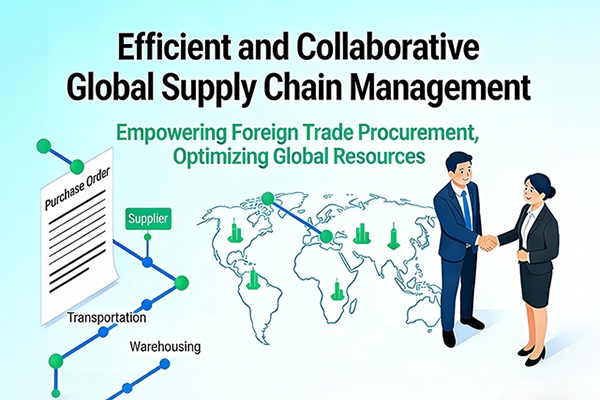
China Sourcing Agent: Simplify Bulk Purchasing from Yiwu
Streamline bulk sourcing from Yiwu with YIHUANHUI. End-to-end China sourcing services, quality control, warehousing, and global shipping for SMEs.

Why China Sourcing Companies Matter for Global Buyers
Discover how China sourcing companies help global buyers reduce costs, manage suppliers, ensure quality, and streamline supply chains in 2026.
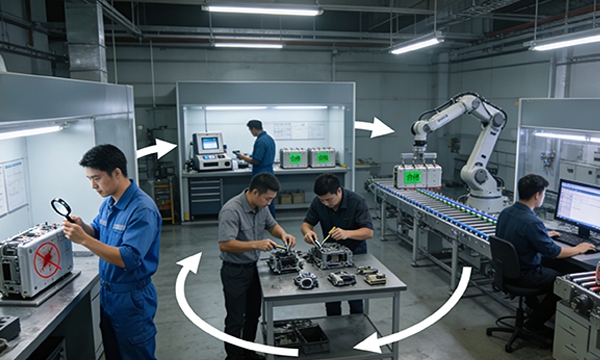
What Does a Yiwu Sourcing Agent Really Do for SMEs
Discover how a Yiwu sourcing agent helps small businesses with supplier verification, quality control, warehousing, and global shipping.

How a Yiwu Sourcing Agent Cuts Shipping Costs
yiwu sourcing agent, china warehouse consolidation service, shipping from china, china sourcing company, global logistics solutions

Efficient Heavy Cargo Shipping Solutions for Cost & Delay Reduction
YIHUANHUI offers comprehensive logistics services for heavy cargo, combining multimodal transport, customs management, and smart storage to optimize shipping costs and delivery times.
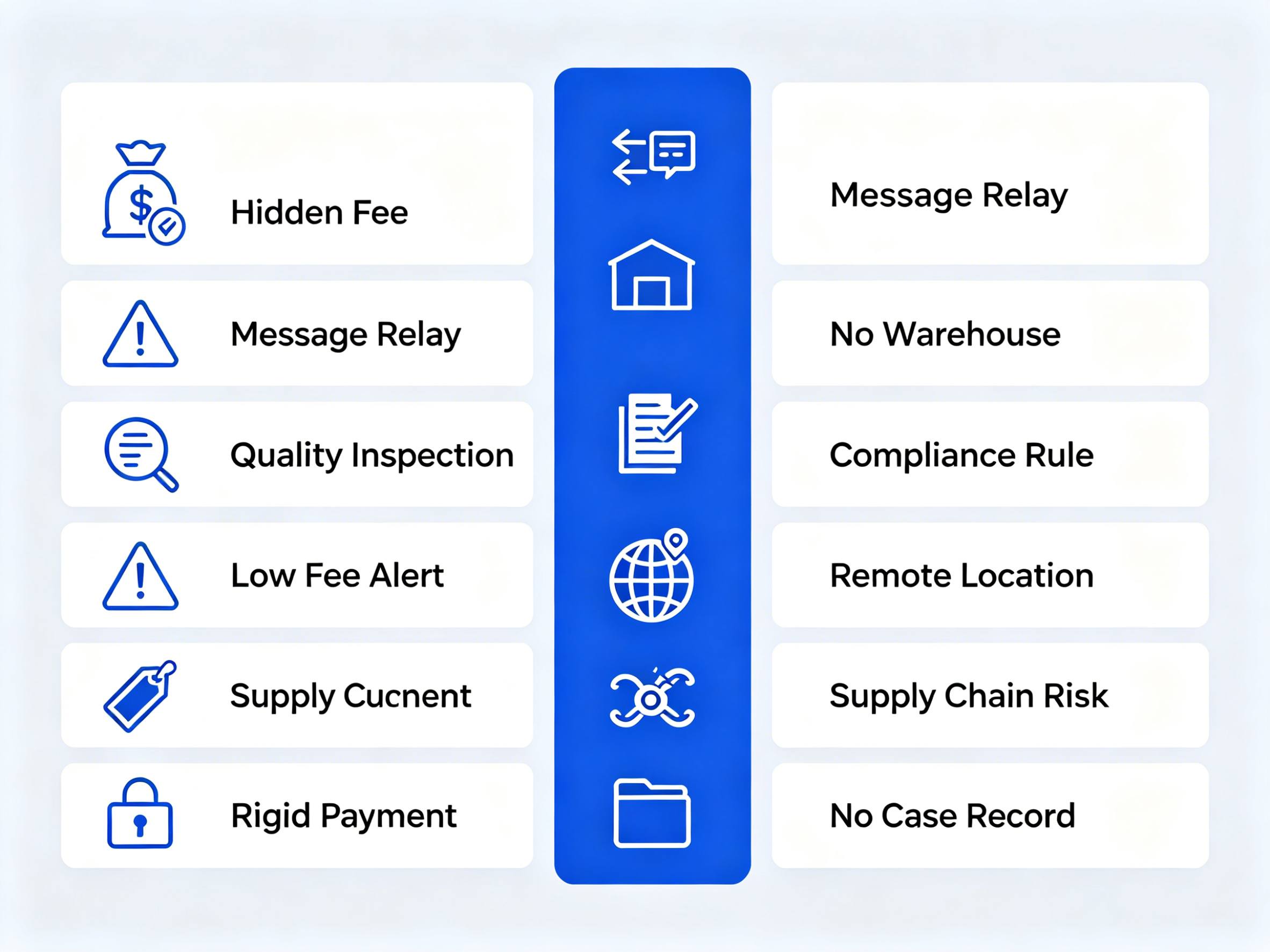
Avoid China Sourcing Scams: 10 Red Flags to Watch
Learn how to avoid China sourcing scams and spot unreliable sourcing agents before importing products from China.
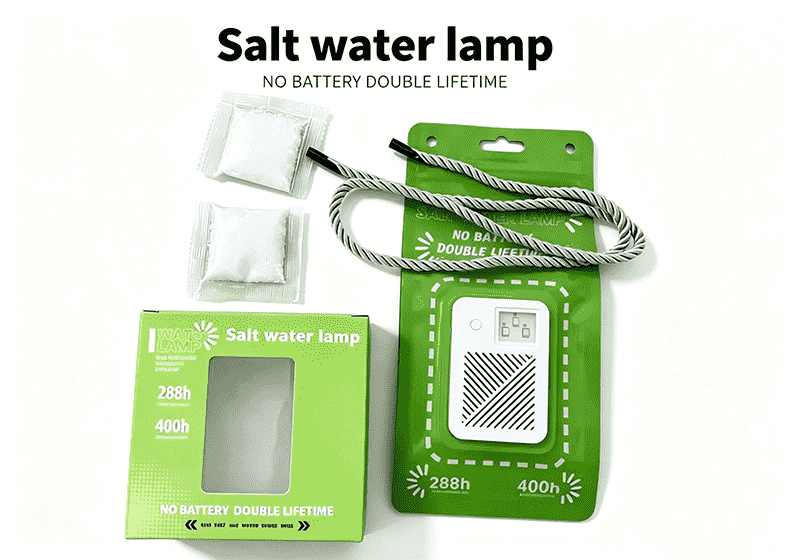
Yiwu Trade Show’s Viral “Black Tech” Emergency Lamp: 300 Hours of Light From Salt and Water
Yiwu Trade Show’s Viral “Black Tech” Emergency Lamp: 300 Hours of Light From Salt and Water Yiwu, China – Amid the bustling atmosphere of the Yiwu Trade Show, a minimalist yet revolutionary product has gone viral. It sold out of multiple display cabinets within a single morning, attracting widespread attention from outdoor enthusiasts, disaster rescue teams, and eco-friendly consumers. This salt-water powered emergency lamp is a disruptive innovation in outdoor gear. It features extremely simple operation: just pour water and salt into the dedicated bag, seal it tightly, and shake it gently. The lamp will instantly turn on, delivering continuous lighting and emergency alarm functions for up to 300 hours, winning massive popularity with its cutting-edge black technology. No Batteries, No Charging – Just Salt, Water, and Innovation There is no need for bulky power banks, disposable batteries, or grid electricity. This compact and portable lamp operates on a professional electrochemical principle. It generates ions through a chemical reaction between aluminum blocks and graphene. With the electrolyte connecting the positive and negative poles of the battery, electric power is continuously supplied to the LED light source, converting ordinary saltwater into sustainable clean energy. The operation is effortless: simply add the matching salt packet and water into the special bag, seal and shake it slightly, and the high-brightness LED light and emergency alarm will activate immediately. A single saltwater mixture supports up to 300 hours of continuous operation in 24-hour lighting mode. “Visitors were amazed by its user-friendly design,” said a show representative. “Campers, hikers and emergency preparedness professionals all stopped to inquire, stating that this product solves their biggest outdoor pain point — sudden light failure in critical moments. In addition, numerous domestic and overseas suppliers have shown tremendous interest in this item and expressed strong intentions for cooperation.” Built for Every Scenario, From Camping to Crisis Boasting strong versatility and advanced technological support, this lamp has become a viral hit with wide-ranging applicability: Outdoor Adventures: Ideal for camping, fishing, hiking and other off-grid outdoor activities. Lightweight and fully waterproof, it fits easily into backpacks without adding extra burden. The built-in alarm function can send out distress signals in emergencies, greatly improving outdoor safety. Emergency Preparedness: Perfect for power outages, natural disasters and rescue missions where traditional lighting devices often fail. It works with seawater, tap water and even brackish water. Combining stable lighting and emergency alarming functions, it serves as a reliable lifeline in remote areas and disaster-stricken zones. Eco-Friendly Design: It requires no disposable batteries and produces no toxic waste or carbon emissions during use. Adopting the eco-friendly power generation mechanism of aluminum and graphene chemical reaction, it is safe and pollution-free, meeting the booming market demand for low-carbon and sustainable outdoor equipment. Why This Yiwu Showstopper Is Flying Off Shelves As a global hub of trade and innovation, Yiwu has witnessed countless new products. This emergency lamp stands out perfectly with its minimalist design, core technological advantages and high practicality, winning high praise from all exhibitors. Its core strengths are as follows: Ultra-Long Endurance: Provides over 300 hours of continuous lighting with one saltwater refill, far outperforming traditional disposable flashlights. Zero-Charge Convenience: No pre-charging or daily maintenance required. It starts working instantly after adding salt and water and shaking, with dual functions of lighting and emergency alarming. Portable & Durable Build: Rugged construction adapts to harsh and complex environments, working stably in rainy, humid campsites and tough disaster relief scenarios. Cost-Effective & Accessible: Priced affordably for mass consumption. It is suitable for ordinary families, outdoor lovers and rescue organizations, delivering high commercial value and market potential. The Future of Emergency Lighting Is Here With the frequent occurrence of climate-related disasters and the growing popularity of off-grid living, the demand for reliable and eco-friendly emergency lighting is higher than ever. Far from being a fleeting viral gadget, this salt-water powered lamp is a practical necessity empowered by graphene and aluminum reaction technology. Integrating long-duration lighting, emergency alarming and green power generation, it has revolutionized the traditional emergency lighting industry. “We sold out multiple batches before the end of the exhibition, with continuous orders pouring in from distributors across Asia, Europe and other regions worldwide,” the representative added. “A large number of global suppliers have shown great enthusiasm for cooperation. The market feedback is extremely positive. Industry insiders recognize it not merely as an outdoor product, but as an essential preparedness tool for unexpected emergencies and outdoor travel.” For campers, emergency preppers and all outdoor adventurers, a new lighting solution has arrived. Free from grid dependency, this innovative lamp delivers long-lasting illumination and emergency alerts with just salt and water, keeping you safe and never left in the dark during outdoor trips and sudden crises.
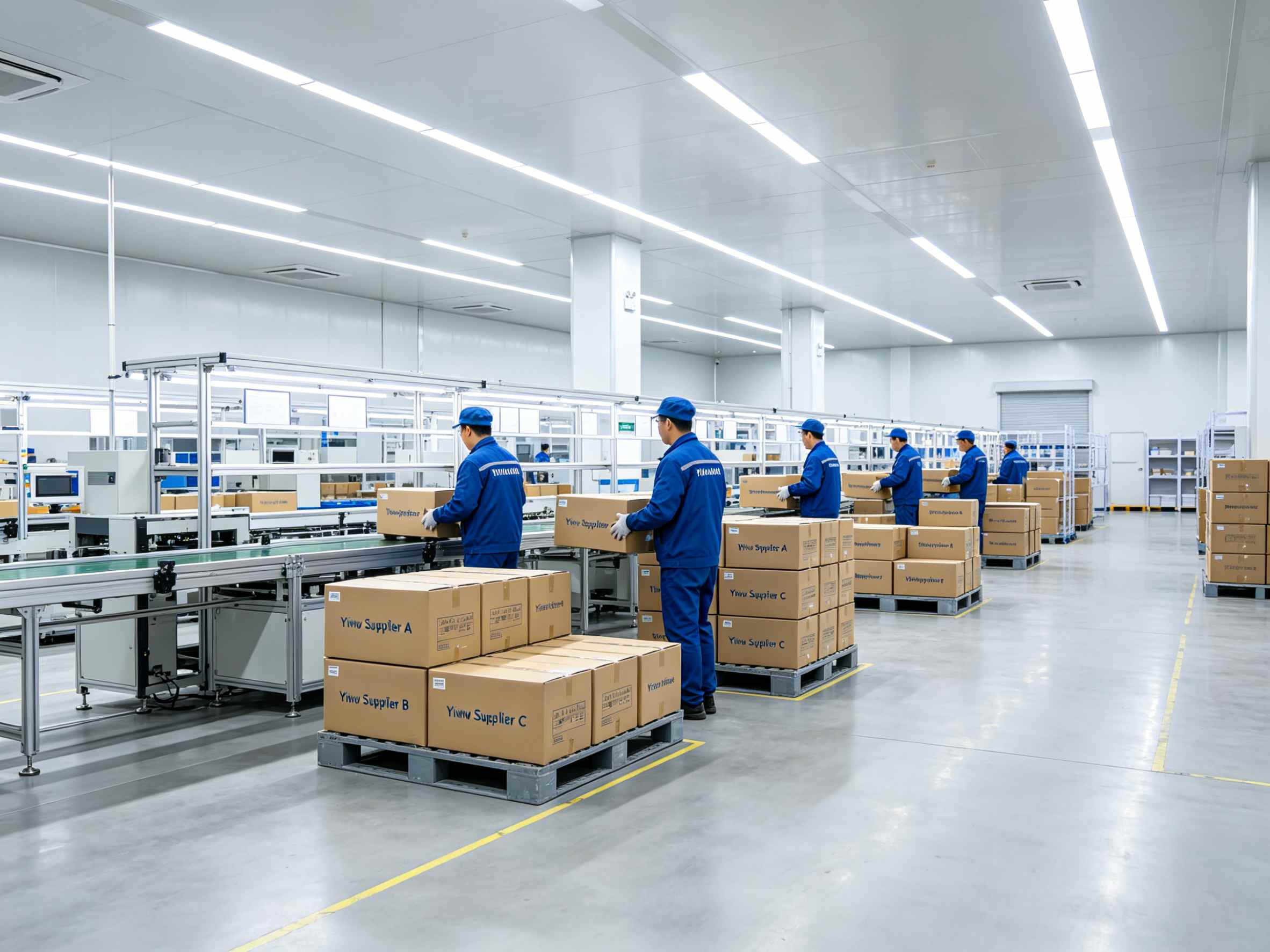
How to Consolidate Yiwu Shipments Safely and Save More
Learn how Yiwu shipment consolidation helps reduce freight costs, improve cargo safety, and simplify multi-supplier shipping with efficient warehouse integration.
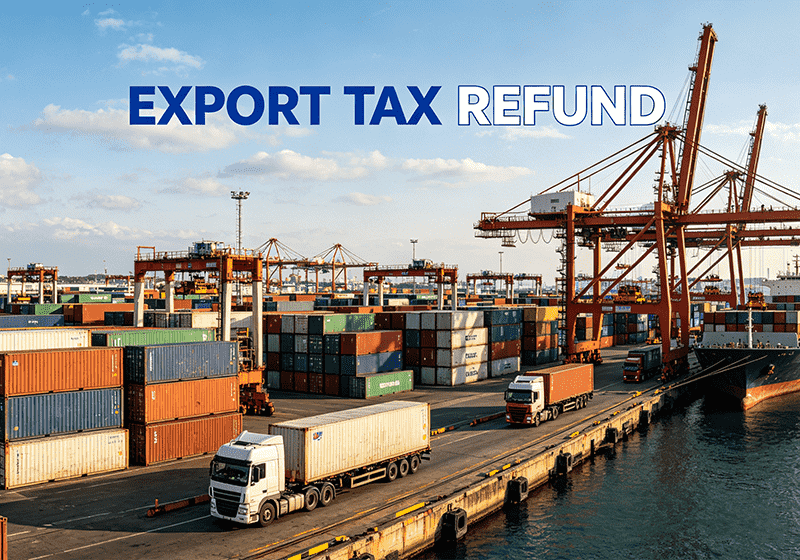
New Policy on Export Tax Rebates for Daily Necessities Takes Effect on April 1st: Structural Adjustments Guide Foreign Trade Enterprises to Upgrade
New Policy on Export Tax Rebates for Daily Necessities Takes Effect on April 1st: Structural Adjustments Guide Foreign Trade Enterprises to Upgrade Starting from April 1st, the 2026 export tax rebate adjustment policy for daily necessities (Announcement No. 2) has officially taken effect. Focusing on structural adjustments, it adopts “selective reductions and protections” for tax rebates of ceramics, household items and batteries, with the customs declaration export date as the sole criterion, affecting enterprises’ costs and profits and promoting the industry’s shift to high-quality development. Traditional daily necessities (e.g., ceramics, ordinary glass) have their tax rebate rate cut from 3%-9% to 0% without a transition period. Civilian batteries will see a rate drop from 9% to 6% (Apr-Dec 2026) and full abolition in 2027. Meanwhile, high-value-added products (e.g., high-end home textiles, eco-friendly household goods) are supported, with some tax rebates raised from 11% to 13%. A taxation official said the adjustment is not “one-size-fits-all” but aims to optimize the industry and promote green, branded development. A late-March customs declaration rush occurred as enterprises rushed to lock in tax rebates. A Guangzhou foreign trade enterprise noted zero tax rebate for ceramic tableware has increased costs, leading to price negotiations and order adjustments. Compliant declaration is key: accurate HS code declaration and complete document filing are required, with strict inspection on irregularities. Export tax rebates are fully electronized for higher efficiency. Taxation and customs departments have provided policy guidance. Insiders said short-term pressure will accelerate industry reshuffling, urging enterprises to increase R&D and expand high-value-added products and cross-border e-commerce. A Ministry of Commerce spokesperson stated the adjustment optimizes foreign trade structure. Relevant departments will optimize tax rebate services to help enterprises transition and boost high-quality daily necessities exports.

China Strengthens Export Controls on Dual-Use Items to Regulate Foreign Trade Order
China Strengthens Export Controls on Dual-Use Items to Regulate Foreign Trade Order Since the beginning of 2026, China has achieved remarkable results in upgrading export control measures for dual-use items. This upgrade not only implements the requirements of relevant regulations but also aligns with the needs of the foreign trade industry. Through full-chain supervision, while safeguarding national security and fulfilling international obligations, it regulates foreign trade operations, and supports the high-quality development of foreign trade and the stability of global industrial and supply chains. Dual-use items refer to goods, technologies, and services that have both civil and military uses and may be used in fields related to weapons of mass destruction, which are a key focus of China’s foreign trade supervision. The core principle of China’s control is to balance security and development, ensure the smooth flow of legitimate foreign trade, and strictly prevent relevant items from flowing into sensitive areas. This control focuses on key strategic items in the foreign trade field such as tungsten and rare earths, refines the control list, and strengthens approval and port supervision. In February 2025, 25 tungsten-related items were included in the control list, requiring special permits for export; in January 2026, the measures were tightened, prohibiting the export of tungsten products to relevant Japanese military enterprises and implementing “penetrating supervision”. The General Administration of Customs stated that China has established a full-chain supervision system, abolished the registration of export operators, implemented paperless license management, optimized the approval and inspection processes, and guided enterprises to avoid risks through compliance training. The upgrade of controls has affected the global foreign trade pattern and promoted the optimization of China’s foreign trade structure, leading to a rise in global tungsten prices and forcing enterprises to strengthen compliance construction and transform to high-value-added fields. The Ministry of Commerce stated that the policy is in line with domestic laws and international practices, and it will dynamically adjust the control list and strengthen international cooperation in the future. Insiders believe that strengthening controls not only safeguards national security but also regulates foreign trade order, and subsequent efforts will deepen inter-departmental coordination to support the steady and long-term development of foreign trade.
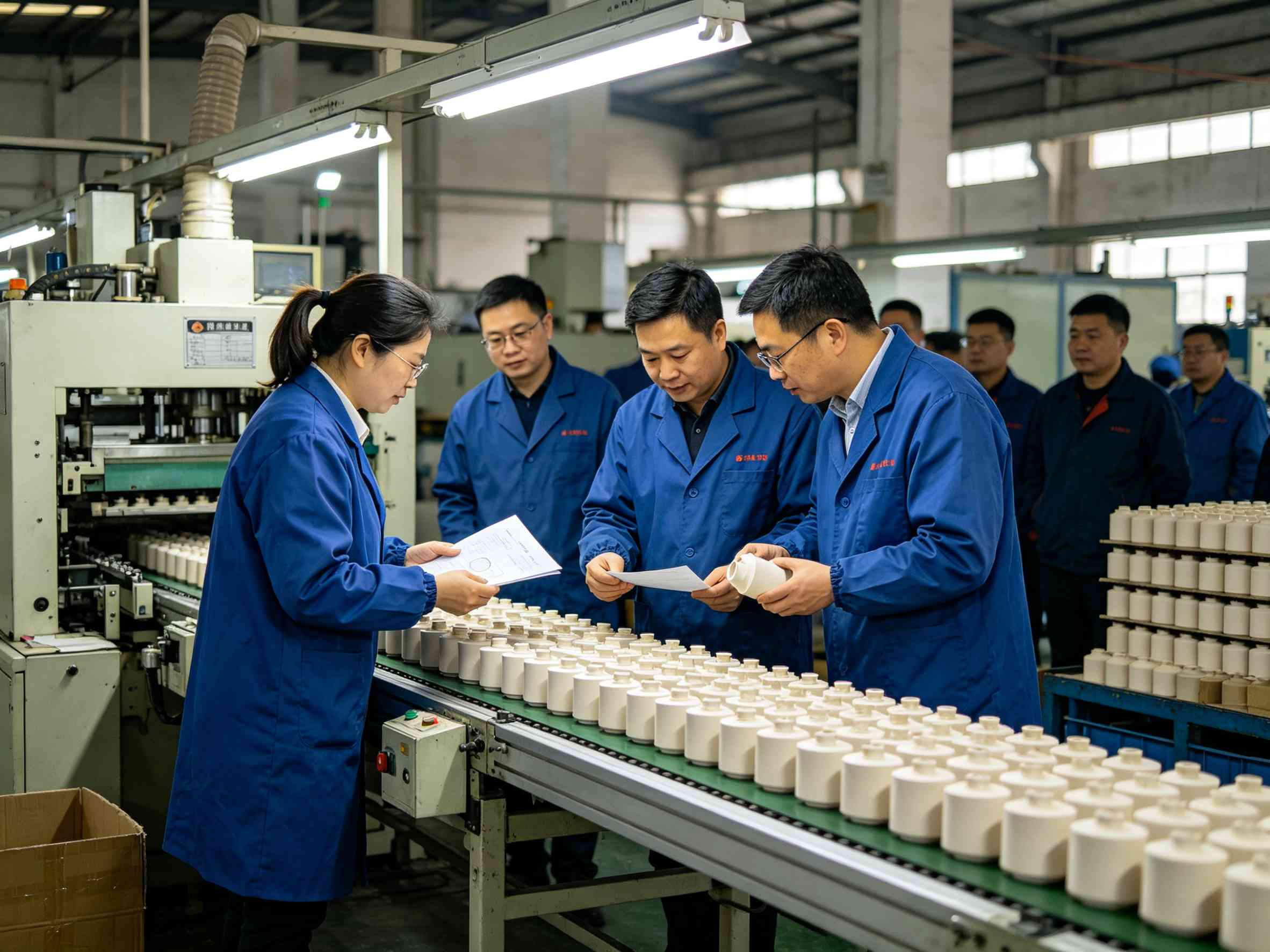
Zero-Defect Delivery: How YIHUANHUI Leads Quality Control in 2026
YIHUANHUI enhances global sourcing with strict quality control systems, ensuring zero-defect deliveries through full-chain QC management and real-time digital tracking.
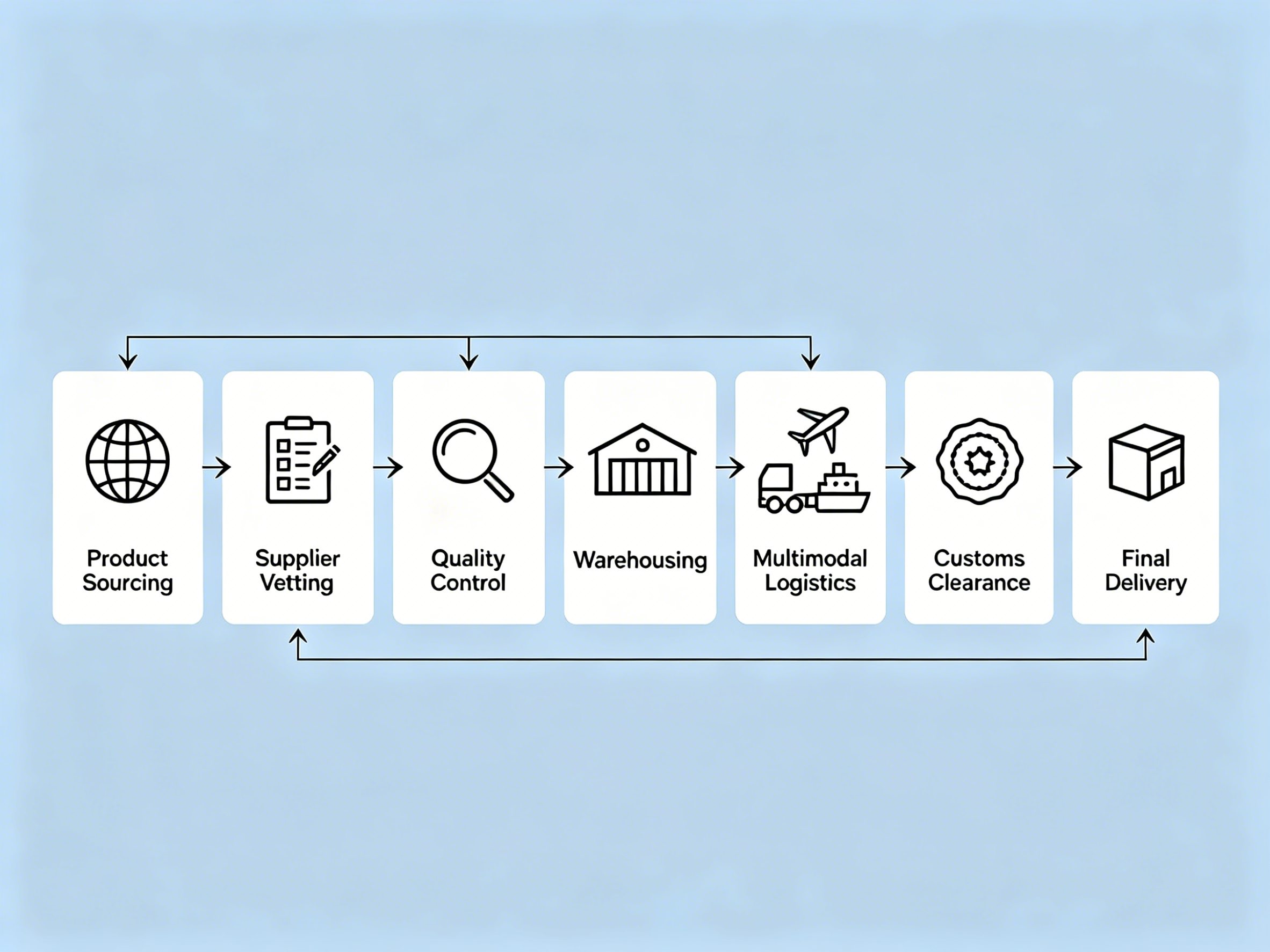
Best China Sourcing Agent for One-Stop Trade Solutions
In today’s bustling field of global business, locating the best China sourcing agent goes beyond a simple edge; it stands as a core need for staying afloat and advancing. Many small and medium-sized enterprises across Europe, Asia, and Southeast Asia encounter a rocky road when moving from spotting a market gap to placing solid products on display. That road often involves shipping obstacles, factory setbacks, and budget hazards. Here, YIHUANHUI enters the picture as your dependable ally in worldwide cross-border trade setups. Established in 2025 and positioned squarely in Yiwu’s core, YIHUANHUI taps into the globe’s top small goods market to deliver smooth, complete coverage from early buys to end shipments. The starting team carries more than 10 years of hands-on background in cross-border operations, which helps shift supply chain hurdles into clear business edges. Opting for one-stop China sourcing means more than engaging an agent; it means fitting your company with a full framework built for quick work, open processes, and steady gains. Why Partner with a One-Stop Sourcing Agent? Streamlining Global Procurement and Supply Chains As the best China sourcing agent, we strip away the tough spots in buying by handling a full order cycle. Our services span supply chain steps, starting with basic product sourcing and going up to direct factory orders in China. We oversee supplier vetting, large-volume buys, and thorough quality reviews, so your business sidesteps the typical downsides of disjointed handling. With our “spot supply + flexible production” paired method, we can send out in-demand product lines in 24 hours or less, keeping your supply chain nimble and responsive. Reducing Operational Costs for Maximum Profitability Strong workflow drives solid returns. We center on design arrangements to aid clients in trimming expenses. On top of that, by pulling together shipments from various suppliers into our storage area, you cut down sharply on global freight and inner-country transport fees. Mitigating Risks in Cross-Border Trade Services in China Handling worldwide trade carries natural dangers, ranging from quality clashes to shifts in international relations. We address these through a routine risk handling framework and a tracking platform for orders that supports live supplier evaluations and instant shipping follows. Our group knows the ins and outs of local laws and customer tastes in Europe, America, and Southeast Asia, which keeps your items fully in line and prepared for sales. The YIHUANHUI Advantage in Yiwu Leveraging the World’s Largest Commodity Hub Our base in Yiwu sits near the Yiwu International Trade City, granting us unmatched reach to thousands of vendors in countless product areas. This spot-based benefit enables us to supply Yiwu with one-stop sourcing by linking the area’s broad trade groups and online commerce shifts. Tailored Sourcing Support for Growth-Stage SMEs Big trade outfits often limit themselves to massive volumes, but we zero in on the distinct struggles of SMEs. We deliver simple, fitted buying aid with easy access levels, covering test runs in small quantities and joint buys without a set minimum order quantity (MOQ). Plus, our assigned personal reps give custom tips on choosing goods for markets and sticking to standards. Comprehensive End-to-End Sourcing China Solutions Integrated Warehousing and Inventory Management Services Our storage offerings aim to fix issues with dispersed stock. Suppose you place just a minor share of items via us; still, you may draw on our facility to bundle pieces from other sources into unified oversight. We take charge of organizing, boxing, and tagging—including trade-specific labels and border codes—to ready your cargo for export. Multimodal Logistics and Customs Clearance Expertise We deliver the best china sourcing agent standard through four primary haulage routes: rail, ground, air, and water. We shape answers to match your particular wants, be it Full Container Load (FCL) for hefty hauls or Less than Container Load (LCL) for lighter sets. Our command of border filings and reviews guarantees that files like trade bills and load sheets sit neatly arranged for proper passage. Transparent Financial Plans and Unsecured Credit Support To lighten funding strains, we supply adaptable funding arrangements. One option is a basic 20% initial payment, followed by the 80% remainder once the load document appears. Trusted ongoing buyers get our unsecured credit support on schedules from 30 to 180 days. In this way, you handle the rest after taking in and shifting the items, which markedly aids your money movement. We further allow RMB price settings to dodge rate swings. Driving Business Value with Value-Added Services Full-Chain Quality Control for Zero-Defect Delivery We apply a full-circle quality oversight setup: spot checks → urgent fixes → swift stand-ins. Should any work or visual issues surface in plant or dock reviews, our focused QC unit starts prompt field mends or trades. Layout Optimization and Cost-Efficiency Strategies Our drive for added worth extends past mere product location. We seek practical paths to adjust your setups for expense cuts. Digital Empowerment for Seamless Order Visualization We draw on AI-driven picking aids and a broad-language aid network to heighten workflow. Through our order view system, you monitor current states of your cargo—from filings and hauls to border approvals and close drops—which affords complete calm. Real-World Success in Cross-Border Trade Solving Inventory Shortages for Southeast Asian Clients A Southeast Asian store network dealt with an abrupt stock shortage in kids’ block sets. We set in motion a crisis handling protocol. Using a tailored “cross-border ground haul + area-specific path” arrangement, we shipped the load in 5 days, sparing the buyer a stockout emergency. Accelerating Delivery Cycles for European Distributors With a European handler of teaching playthings, we reworked the supply path to trim a 45-day haul to 40 days. We fixed base supplies and rolled out a hurried setup, guaranteeing arrival ahead of the holiday sales wave, which sparked a 16% rise in their quarterly earnings. Optimizing Logistics for North American E-commerce Platforms A North American web seller sought equilibrium in price and pace for Children’s outdoor toys. We crafted a varied “water haul + abroad storage + end-stretch quick ship” plan. It lowered their haul fees by 24% against full-sky options, yet held to timelines far brisker than classic water paths. Conclusion Picking the best China sourcing agent forms a pivotal move for firms set on expansion. At YIHUANHUI, we merge Yiwu’s place-based might with 10 years of dealings skills to furnish one-stop China sourcing that performs reliably. Spanning our top-grade Beerus series and tough Bags to our fresh Outdoor toys, we cover each supply link detail, letting you center on your core task—expanding your mark. Through pliable money schemes, sharp haulage, and a vow to “professional services creating incremental value,” we position ourselves as your firm’s guide amid global trade intricacies. Be it a modest launch or an advancing seller, our end-to-end sourcing of China offerings crafts paths to broaden your world sales in budget-friendly, guarded manners. Ready to streamline your supply chain and boost your profits? Contact YIHUANHUI today and let us build your global success story together! FAQ Q: How does YIHUANHUI ensure the quality of sourced products? A: We implement a full-chain quality control system that includes factory audits, on-site inspections, and an emergency repair/replacement mechanism to ensure 100% compliance with your standards. We also cooperate with third-party testing for certifications like CE and FDA. Q: Can YIHUANHUI handle custom product requests for small businesses? A: Yes! We specialize in supporting SMEs with lightweight, customized procurement. We offer OEM/ODM services, flexible small-batch customization, and even group procurement with no MOQ to help smaller brands enter the market without high risks. Q: What kind of financial support does YIHUANHUI offer to international buyers? A: To ease capital pressure, we offer O/A credit ranging from 30 to 180 days for reputable long-term customers. This allows you to pay for your goods after receiving and selling them, with a maximum credit up to US$100,000.
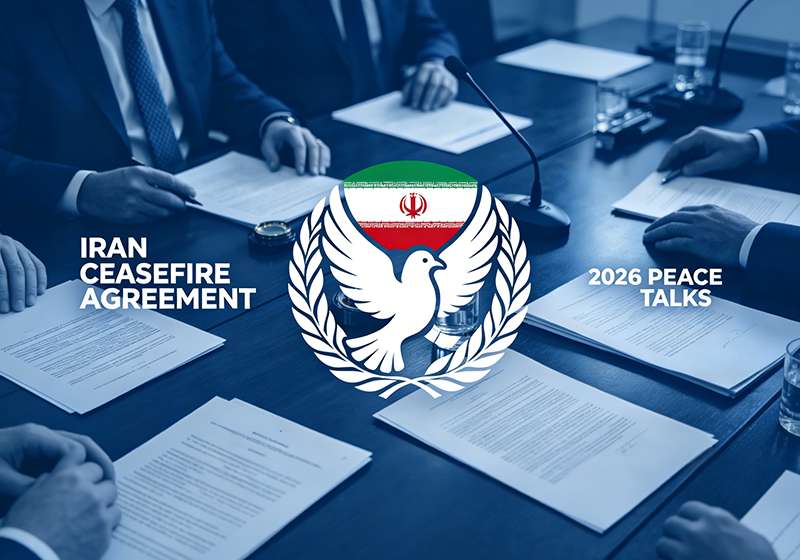
Breaking: Iran Announces Two-Week Ceasefire Extension, Negotiations to Proceed
Breaking: Iran Announces Two-Week Ceasefire Extension, Negotiations to Proceed Combined reports from Tehran and Beijing — Local time on April 8th, Iranian officials officially announced that they will maintain the two-week ceasefire agreement previously reached with relevant parties, which took effect in the early hours of the same day. Meanwhile, the Iranian delegation has departed and will travel to Islamabad on April 10th to participate in multilateral negotiations mediated by Pakistan, focusing on key issues regarding the follow-up arrangements of the ceasefire and the de-escalation of the situation. The framework of this ceasefire agreement was officially approved and confirmed by Iran’s Supreme National Security Council on April 7th. Iranian officials emphasized that the core goal of the ceasefire is “to avoid further escalation of the regional situation and create a stable window for diplomatic negotiations.” The agreement clearly requires all relevant parties to fully cease military operations, end hostile frictions, and jointly safeguard the regional peace and environment. At the same time, Iran reaffirmed that the ceasefire is not a compromise, but a rational choice based on safeguarding national core interests and gaining time for domestic people’s livelihood recovery and construction. If the negotiation process deviates from the established track, Iran reserves the right to take all necessary measures. According to a disclosure by Pakistan’s Ministry of Foreign Affairs, the Islamabad negotiations will gather representatives from Iran, the United States and their respective allies, with core topics including the security guarantee of shipping in the Strait of Hormuz, the path to lifting regional sanctions, the protection of civilian facilities, and the handling of legacy issues from the conflict. As the mediator, Pakistan will coordinate the positions of all parties throughout the process and promote the negotiation to form a specific and implementable consensus document. Pakistan’s Prime Minister’s Office stated publicly that this negotiation is an important opportunity for the de-escalation of the Middle East situation, and Pakistan will make every effort to promote the two parties to achieve phased results during the two-week ceasefire period. The United States confirmed through the White House spokesperson that it will strictly abide by the provisions of the ceasefire agreement, suspend all military strikes against Iran, and has arranged the relevant diplomatic team to attend the meeting as scheduled. The U.S. side stated that it looks forward to resolving current differences through negotiations, and emphasized that the Strait of Hormuz, as a global energy transportation artery, its navigation safety is a common concern of all parties, and it is willing to consult with Iran to establish a temporary security guarantee mechanism. However, the U.S. side did not make a clear response to Iran’s core demands such as uranium enrichment and the lifting of sanctions, only stating that it will “comprehensively discuss all issues” during the negotiations. Israel, on the other hand, released a cautious signal. The Israel Defense Forces announced that it will suspend air strikes against Iran’s mainland, but emphasized that “operations against terrorist organizations in the Lebanese direction are not subject to the ceasefire.” The Israeli Prime Minister’s Office stated that Israel will “continue to monitor Iran’s compliance with the agreement” and reserve the “right to self-defense.” This statement highlights the complexity of the Middle East situation, and the full implementation of the ceasefire agreement still faces many variables. The response to the ceasefire agreement in Iran is rational. According to reports from Iranian state media, the ongoing military conflict has led to damage to some military facilities, interruption of oil exports, and the people’s demand for peace and development has become increasingly strong. The Iranian government stated that during the ceasefire period, it will give priority to ensuring the supply of people’s livelihood materials, promote the recovery of economic order, and at the same time accelerate the restoration of the military industry system to lay a solid foundation for subsequent negotiations. Iranian people generally hope that the negotiations can bring long-term peace and reduce economic and people’s livelihood pressures. The international community generally welcomes this ceasefire. A spokesperson for the UN Secretary-General stated that the United Nations fully supports Pakistan’s mediation efforts, calls on all parties to strictly abide by the ceasefire agreement, and resolve differences through dialogue and consultation. Russia, the European Union, France, Germany and other countries have successively issued statements, saying that the ceasefire provides a key opportunity for the de-escalation of the Middle East situation, and expressed hope that the Islamabad negotiations can achieve substantive progress, calling on all parties to abandon the confrontation mentality and jointly maintain regional stability. Analysts pointed out that the two-week ceasefire provides a valuable buffer period for the Middle East situation, but the differences between Iran and relevant parties on core interests have not been fundamentally resolved. Issues such as the security of the Strait of Hormuz, the lifting of sanctions, and uranium enrichment still require great efforts from both sides. The success or failure of the Islamabad negotiations will directly affect the direction of regional peace, and the international community needs to continue to pay attention to and promote the negotiation process to avoid the situation returning to tension. At present, the Iranian delegation has completed pre-departure preparations, focusing on formulating negotiation plans around specific issues such as the ceasefire supervision mechanism, people’s livelihood assistance, and shipping safety. It is expected to arrive in Islamabad on April 10th and hold intensive consultations with all parties.
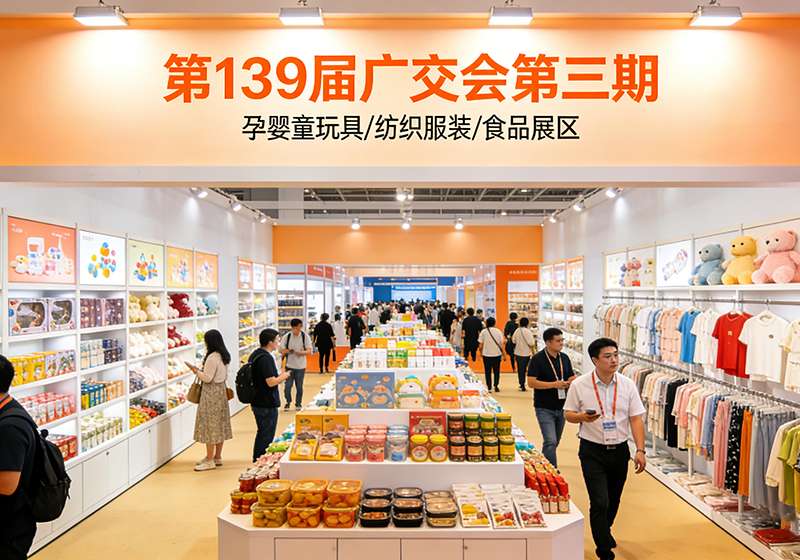
Phase 3 of the 139th Canton Fair: Fashion, Health, and Cultural & Educational Consumption Gain Momentum, Expanding New Horizons for Global Trade
Phase 3 of the 139th Canton Fair: Fashion, Health, and Cultural & Educational Consumption Gain Momentum, Expanding New Horizons for Global Trade NEWS REPORT From May 1 to 5, Phase 3 of the 139th Canton Fair concluded successfully, focusing on consumer goods and healthcare sectors including toys & maternity/baby/children products, fashion (textiles & apparel), home textiles, stationery, health & leisure, medical devices, food, and functional & technical fabrics, injecting warm and robust momentum into global trade. During this phase, functional fabrics and smart textile apparel showcased technological innovations in China’s textile industry, while safe and eco-friendly designs for maternity/baby/children toys and cultural/educational products garnered significant attention. Medical devices and health & leisure products precisely addressed global trends in aging populations and health consumption upgrades. The food section featured specialty agricultural products and processed foods from across China, facilitating the global reach of high-quality Chinese ingredients. Parallel cross-border e-commerce matching events and brand going global forums were held, establishing digital trade channels for small and medium-sized foreign trade enterprises and deepening cross-border cooperation in fashion, culture & education, and healthcare sectors.
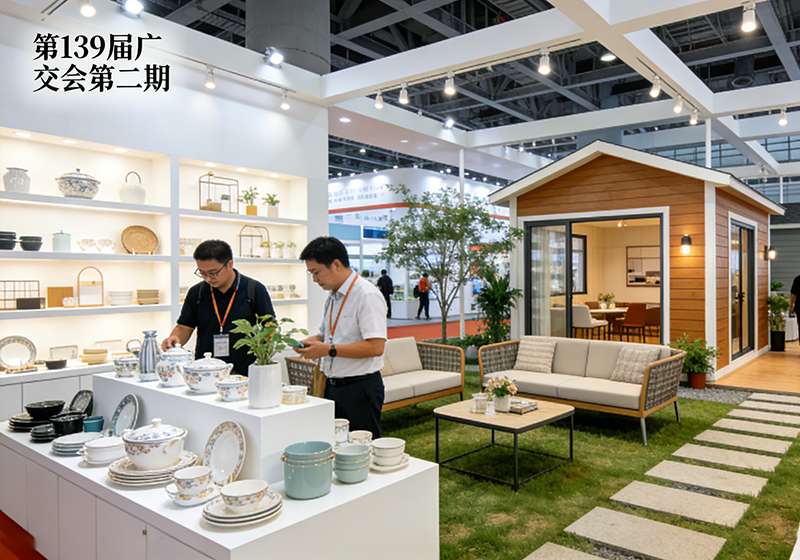
Phase 2 of the 139th Canton Fair: Quality Lifestyle and Creative Design Converge, Illuminating New Scenarios for Home Furnishings Foreign Trade
Phase 2 of the 139th Canton Fair: Quality Lifestyle and Creative Design Converge, Illuminating New Scenarios for Home Furnishings Foreign Trade NEWS REPORT From April 23 to 27, Phase 2 of the 139th Canton Fair successfully kicked off, centering on consumer goods and home building materials such as household products, gifts & decorations, building materials & furniture, daily-use ceramics, kitchen & dining utensils, outdoor facilities, bamboo & wood home goods, and prefabricated houses. It presented global buyers with a trade feast that blends aesthetic design and practical functionality. This phase deeply aligns with global consumers’ demand for quality lifestyles and personalized home spaces, showcasing highlights such as intangible cultural heritage craftsmanship in daily ceramics, lightweight innovations in outdoor leisure facilities, and green prefabricated technologies for integrated housing. Numerous small and medium-sized enterprises participated with original designs and cost-effective products, expanding overseas markets while conveying the meticulous craftsmanship of Chinese consumer goods to the world. The outdoor products and kitchen utensils sections drew high foot traffic, precisely matching consumption upgrade trends in markets like Europe, the Americas, and Southeast Asia, becoming a key driver of growth in home furnishings foreign trade.
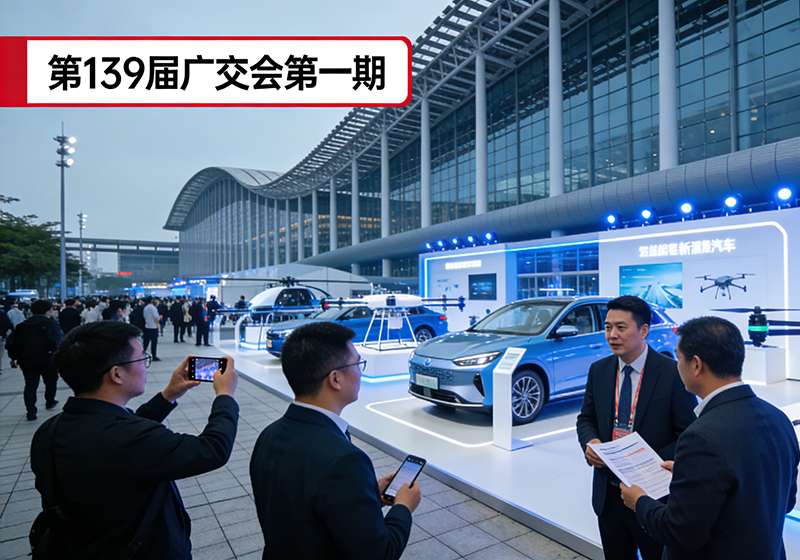
Phase 1 of the 139th Canton Fair: Smart Manufacturing and Green Tech Lead the Way, Fueling New Engines for Global Trade
Phase 1 of the 139th Canton Fair: Smart Manufacturing and Green Tech Lead the Way, Fueling New Engines for Global Trade NEWS REPORT From April 15 to 19, the 139th China Import and Export Fair (Canton Fair) Phase 1 grandly opened in Guangzhou. As one of the world’s largest comprehensive international trade events, this phase focuses on core sectors including consumer electronics & home appliances, industrial manufacturing, vehicles & two-wheelers, lighting & electrical equipment, hardware tools, new energy, smart wearables, display technology, and drones. Thousands of global enterprises gathered to showcase cutting-edge technologies and innovative products, building an efficient platform for global industrial and supply chain connectivity. Guided by the themes of “intelligent upgrading” and “green low-carbon development,” Phase 1 featured new energy vehicles, smart home appliances, industrial robots, and drones as key highlights. Leading companies presented next-generation smart wearables and high-efficiency lighting solutions tailored for global markets, demonstrating China’s manufacturing competitiveness in digital and green transformation. Parallel professional forums and procurement matching events were held throughout the fair, facilitating precise demand alignment between Chinese and foreign merchants and elevating cross-border trade and technical cooperation to new heights.
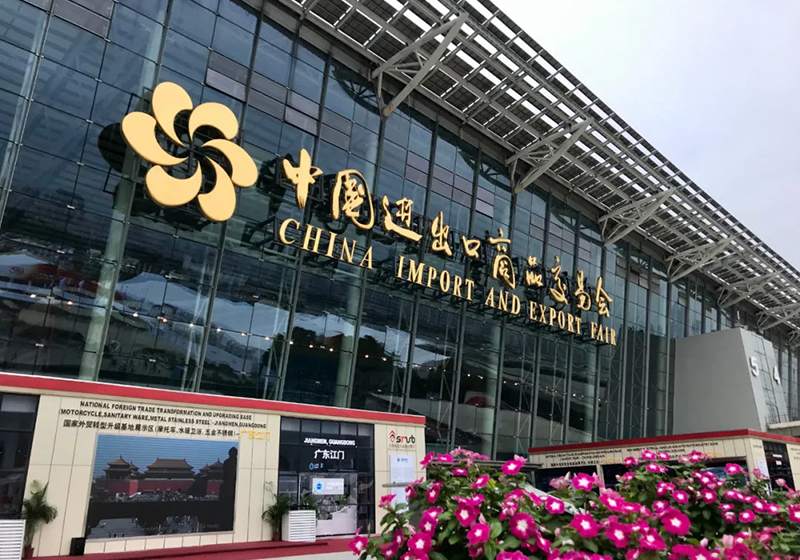
Real-time foreign trade news: The 139th Canton Fair approaching
The 139th Canton Fair: Intensive preparations underway, a key platform for foreign trade enterprises to break through Core Information (Officially Confirmed) The 139th Spring Canton Fair will be held in three phases from April 15th to May 5th, 2026, at the Pazhou Exhibition Hall in Guangzhou (No. 382, Yuedong Middle Road, Haizhu District), with an exhibition area of over 1.55 million square meters and 55 professional exhibition areas. It is expected to attract over 32,000 enterprises to participate and 310,000 overseas buyers to attend. Key points for participation and business connection Compliance and brand display: This session of the Canton Fair has strengthened the “green and beautiful booth” requirements. The construction materials must meet the B1-level flame retardant standard, and the recyclability rate must not be lower than the regulations of the exhibition hall. Participating enterprises need to prepare environmental protection test reports of the materials in advance to avoid on-site rectification. Independent station enterprises can link the exhibition booth with their online stores, set up “Canton Fair exclusive discount codes”, guide buyers to leave contact information online, and then complete repeat purchases through the independent station. Precise connection with procurement demands: In response to the US tariff policy and the situation in the Middle East, enterprises can focus on showcasing “tariff optimization solutions” (such as modular products, customizable split models) and “logistics alternative solutions” (such as China-Europe Railway Express transportation, third-party overseas warehouse stocking) at their booths. Procurement agencies can prepare “procurement service manuals”, highlighting core advantages such as tariff calculation, tax refund assistance, and multi-channel logistics integration, to attract overseas buyers with cross-border procurement needs. Seizing opportunities in emerging markets: The Canton Fair will attract a large number of buyers from Latin America, Africa, and Southeast Asia. Enterprises can optimize their product structure in advance and launch high-cost-performance products for emerging markets. At the same time, they can use the official online platform of the Canton Fair to upload product information in advance and activate the “appointment negotiation” function to improve the efficiency of offline connections. Comprehensive response suggestions for foreign trade enterprises Short-term emergency response: Immediately sort out goods in transit and confirm the latest route arrangements with shipping companies; Recalculate the tariff costs for orders from the US and update the quotation sheets; sign supplementary agreements for orders from the Middle East to clarify the risk-sharing mechanism. Medium-term layout: Leverage the Canton Fair to expand the customer base in emerging markets and optimize the market structure; strengthen SEO and keyword optimization for the independent website, with a focus on capturing search traffic from non-US and non-Middle East markets; establish a full-service system for procurement enterprises that integrates tariff calculation, logistics integration, and tax rebate assistance. Long-term planning: Establish a real-time monitoring mechanism for tariff policies and geopolitical situations, reserve overseas warehouse resources in advance to reduce reliance on a single logistics channel; increase investment in product research and development, launch high-value-added products, and enhance the ability to cope with tariff costs.Contact us!
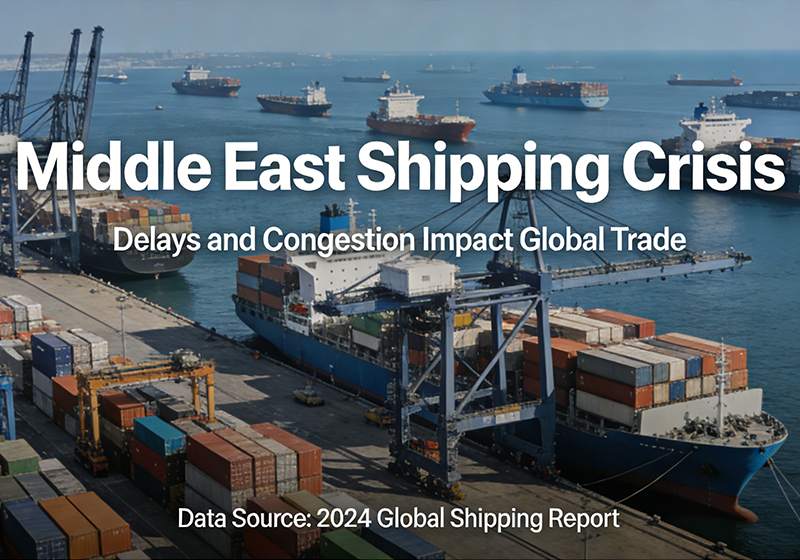
Real-time foreign trade news: Shipping Crisis in The Middle East
Escalation of the Middle East Situation: Major shipping routes blocked, high risks of fulfilling orders during the Ramadan peak season Spillover effects of geopolitical conflicts In early March 2026, the geopolitical confrontation in the Middle East continued to escalate, with the risk levels of the Strait of Hormuz (through which 30% of global crude oil and a large number of containers pass) and the Red Sea soaring. Major shipping companies such as Maersk, MSC, and COSCO Shipping collectively suspended some bookings on Middle East routes, and ships were forced to detour around the Cape of Good Hope. This move directly led to the extension of the voyage time on the Asia-Europe route from 25-30 days to 40-50 days, a 40% drop in the turnover efficiency of individual vessels, and a 8%-12% contraction in global effective capacity. The disruption in logistics triggered a chain reaction: core ports in the Middle East (such as Jebel Ali Port in Dubai) faced operational restrictions, with severe cargo backlogs; air hubs like Dubai and Doha saw their trans-Eurasian air transport capacity halved due to airspace control, and freight rates soared in a retaliatory manner. As of March 9th, the freight rate for a 40-foot container on the Middle East route skyrocketed to $6,000 per FEU, and war risk insurance premiums increased by 300%-500% compared to before, with the average emergency conflict surcharge reaching up to $3,000 per container. Core Impact on Foreign Trade Business and Response Strategies The crisis of contract fulfillment is highlighted: Mid-March coincides with the Eid al-Fitr after the Islamic Ramadan, a core consumption season in the Middle East. A large amount of pre-stocked goods are stuck in transit, and Amazon’s Middle East warehouses and local retailers have begun to reject new shipments. Cross-border e-commerce platforms (such as Shein and Temu) have announced significant delays in delivery. Procurement agencies need to promptly inform customers of the location of the goods and the estimated arrival time, and negotiate delayed fulfillment or alternative port solutions. Rising risks in payment and settlement: Payment channels in the Middle East are fluctuating, and the uncertainty of letter of credit (L/C) redemption has increased. Some countries have shown signs of tightening foreign exchange controls. It is recommended that enterprises prioritize the use of pre-T/T (full advance payment) for new customers in the Middle East, and strictly control the payment terms for existing customers to avoid the risk of bad debts from credit sales. Urgent need for market diversification: The conflict has led to a short-term decline in demand in the Middle East. Some enterprises have accelerated their layout in emerging markets such as South America, Africa, and Central Asia. Independent station sellers can optimize keywords for emerging markets through SEO, launch multi-language pages, and divert risks from the Middle East business. Procurement agencies can expand procurement demands in non-Middle East regions to balance their business structure.
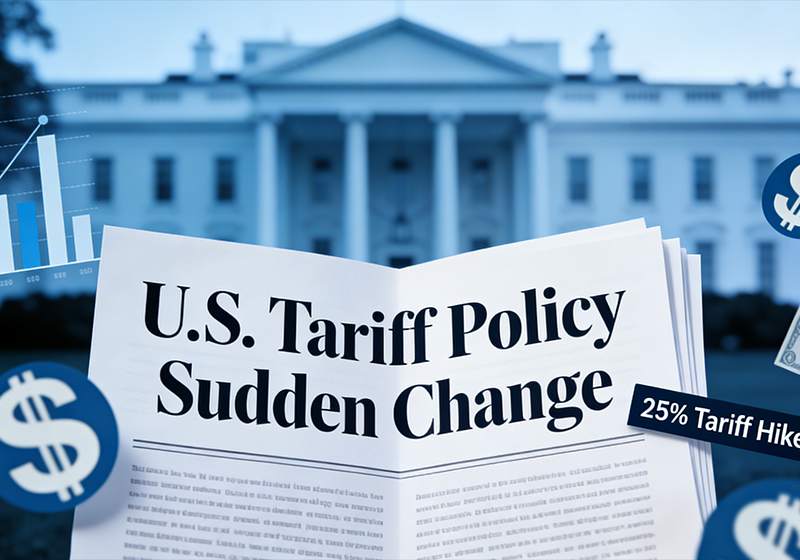
Real-time foreign trade news: Sudden changes in US tariff policy
The current foreign trade market is facing multiple overlapping shocks: The US federal government has raised the “global temporary tariff” rate to 15%, with legal disputes and tax refund procedures advancing simultaneously; the escalation of the Middle East geopolitical conflict has blocked shipping through the Strait of Hormuz and the Red Sea, causing a sharp increase in logistics costs and high risks of fulfilling orders during the Ramadan peak season; meanwhile, the 139th Spring Canton Fair is in the final stage of preparation, becoming a key window for enterprises to cope with market fluctuations and expand their global customer base. These three core issues are intertwined, profoundly affecting the operation of international trade independent stations, the layout of purchasing agency businesses, and customer service strategies. US Tariff Policy: 15% Temporary Tariff About to Take Effect, Legal Battles and Tax Refunds Proceeding in Parallel Core Policy Changes On February 20, 2026, the US Supreme Court ruled 6-3 that the large-scale tariffs implemented by the Trump administration under the International Emergency Economic Powers Act (IEEPA) lacked legal authorization, and the relevant measures were immediately terminated. On the same day, President Trump invoked Section 122 of the Trade Act of 1974 to announce a 10% global temporary import tariff for 150 days, which took effect on February 24; the next day, he announced an increase in the rate to 15%, and the US Treasury Secretary confirmed that the rate is expected to be implemented within this week. This temporary tariff clearly defines the exemption scope, including critical minerals, energy products, pharmaceuticals and components, passenger vehicles and some parts, aerospace products, etc., aiming to reduce the impact on the US domestic industrial chain. Regarding trade with China, the US has stopped collecting the “fentanyl tariffs” and some reciprocal tariffs previously imposed under IEEPA, and instead applies a 10% temporary surcharge (soon to be raised to 15%). The Ministry of Commerce of China has stated that it will closely assess and adjust countermeasures as necessary, and is willing to engage in candid negotiations during the 6th round of China-US economic and trade consultations. Core Impacts on Foreign Trade Enterprises and Responses Dual pressure of cost and compliance: The 15% temporary tariff will directly increase the cost of US exports, squeezing the profit margins of non-exempted categories (such as consumer goods and some industrial finished products). Independent station sellers need to recalculate pricing to avoid a decline in price competitiveness due to tariff costs. Opportunities for tax refunds and cumbersome processes: Data from the US Court of International Trade shows that the previous tariffs imposed under IEEPA involved a refund amount of 175 billion US dollars. On March 6, the court held a settlement meeting with government lawyers to advance the refund process. Enterprises involved in the relevant tariffs and exporters should immediately sort out the payment vouchers from February 2025 to February 2026 and submit tax refund applications to the US Customs and Border Protection. Legal uncertainty risks: More than 20 US states (led by California and New York) have jointly filed lawsuits, accusing the president of overstepping his authority in imposing comprehensive tariffs under Section 122. The outcome of the subsequent case may lead to further adjustments in the tariff policy. Enterprises should avoid signing long-term fixed-price orders to the US and include a “tariff adjustment force majeure clause” in the contract.
SERVICE

Financial plan
(1) Our company supports flexible payment methods: a 20% deposit is paid in advance when placing an order, and the remaining 80% is settled after the bill of lading is issued. At the same time, we also offer O/A credit terms ranging from 30/45/60/90 to 180 days, with a maximum limit of 100,000 RMB, to alleviate customers’ financial pressure and facilitate efficient cooperation between both parties. (2) In terms of financial support, to address the pain point of capital turnover for large orders, we have launched a non-mortgage and long-term (30 days or more) capital support plan. There is no need for collateral and the approval process is efficient, helping customers easily secure high-quality orders. At the same time, to avoid exchange rate fluctuation risks and simplify the settlement process, our company specially provides flexible settlement services – all cooperative businesses support pricing in RMB, ensuring transparent and controllable transaction amounts. Meanwhile, based on customer needs, the final settlement can be completed in the customer’s local currency. This not only eliminates exchange rate losses and cumbersome procedures for customers during currency conversion, but also aligns with their local financial accounting habits, further reducing cooperation costs and communication barriers. Through the integrated service of “storage coordination + capital support + flexible settlement”, we safeguard the stable expansion of overseas markets for foreign trade enterprises.
Logistics management
Domestic logistics services (1)Door to door pickup/warehouse integration Pick up goods from the supplier’s warehouse or factory and transport them to the designated warehouse of the foreign trade company; Provide value-added services such as warehouse management, cargo sorting, packaging and labeling (including foreign trade marks, customs barcodes), and order sorting. (2)Domestic short distance transportation Short distance trunk transportation connecting factories, warehouses, ports/airports/stations, including whole vehicle and less than truckload transportation, to ensure timely arrival of goods at the port of origin. (3) Customs declaration and inspection supporting services Assist in organizing customs declaration documents (commercial invoices, packing lists, customs declarations, etc.), handle export customs declaration and inspection procedures, coordinate with customs to complete inspection and release, and ensure that goods leave the country in compliance. (4) Core transportation services for international segments Our company is located in Yiwu and offers multiple flight options.We can provide four transportation methods: railway, land transportation, air transportation, and sea transportation. We can provide the best solution for customers to choose based on their actual situation.The mainstream method is suitable for large quantities, low delivery time, heavy goods/soaked goods, and is divided into two types: full container load (FCL) and less than container load (LCL). Supporting services: booking, container towing, payment of port charges, marine insurance coverage, etc.
Warehousing services
Our company can provide goods storage function, even if you only order a small part of the goods, you can still use our warehouse.Support customers in consolidating goods from other suppliers and storing them in the warehouse for centralized management, in order to solve the problem of scattered management of goods. We provide packaging, container loading, customs declaration, agency, etc
Procurement Management
We provide comprehensive supply chain services, from product procurement to placing orders in China. Our product design department can provide customized design for you, At the same time, we can also offer services for on-site inspection and evaluation at the factory to avoid discovering product problems after shipment. We operate legally (fully compliant with tax and legal requirements) and then ship to various parts of the world.

LOVE TO HEAR FROM YOU GET IN TOUCH!
Please fill out the form below and we will get back to you as soon as possible.