

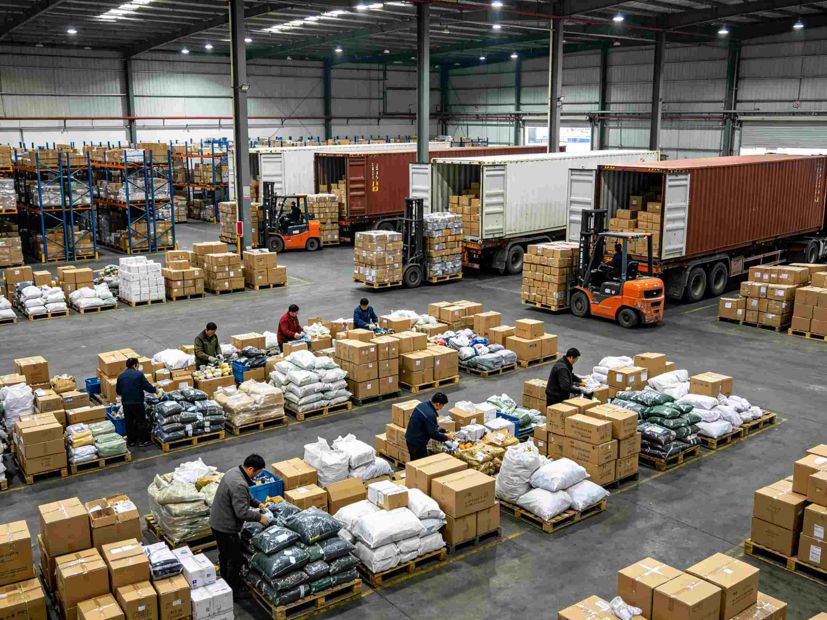

How to Source Baby Products Wholesale from China Successfully
Learn how to source baby products wholesale from China with expert tips on supplier selection, quality control, logistics, and branding from YIHUANHUI.
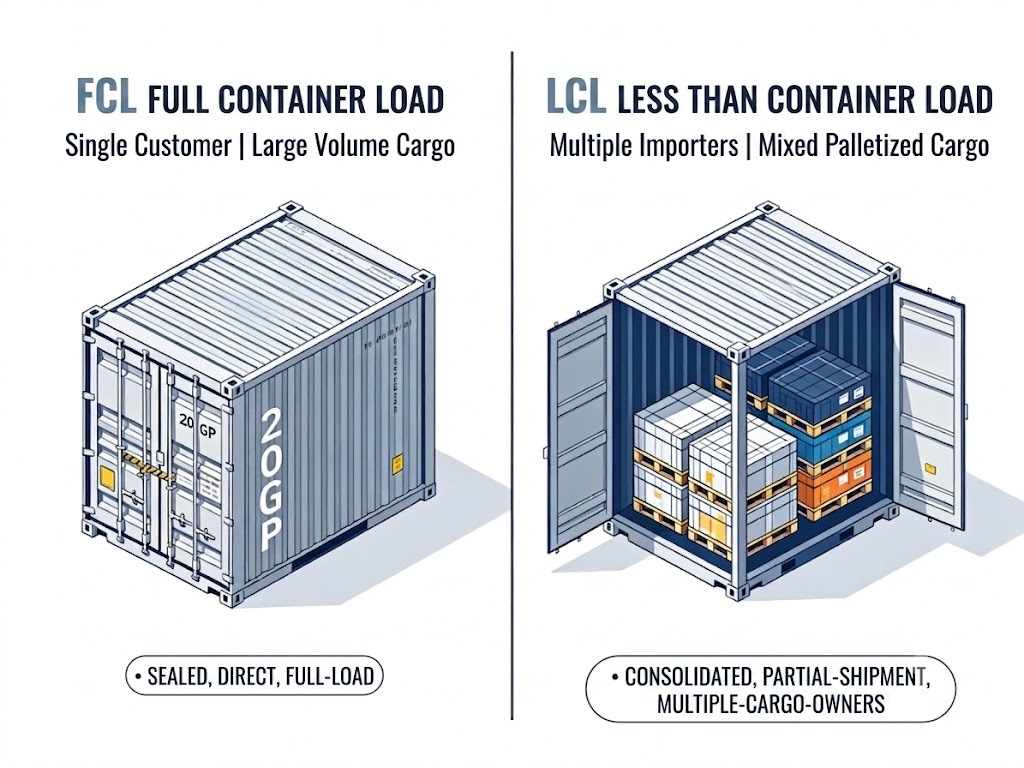
Yiwu FCL & LCL Shipping Service: Which Option Saves More
Compare Yiwu FCL and LCL shipping service costs, transit times, customs clearance, and cargo consolidation to choose the best shipping solution for your business.

How to Find a Reliable Yiwu Sourcing Agent | Expert Guide
Learn how to choose a reliable Yiwu sourcing agent for supplier verification, quality inspection, warehousing, logistics, and cost-effective China sourcing.

Private Agent China vs. Direct Factory: Better B2B Sourcing
Compare a private agent in China with direct factory sourcing. Learn how lower MOQs, quality control, supplier verification, and logistics reduce sourcing costs.

Sharp Reversals! August 2026 Middle East Crisis: Averted Strikes, Failed Talks and Lingering Tensions
Sharp Reversals! August 2026 Middle East Crisis: Averted Strikes, Failed Talks and Lingering Tensions
Early August 2026 has brought unprecedented volatility to the Middle East. A looming large-scale U.S. airstrike on Iran was abruptly canceled at the last minute, while subsequent diplomatic negotiation rumors were quickly refuted. In just three days, the region swung from an imminent war alert to a tense standstill, with no real de-escalation in sight.
I. Escalation: U.S. Military Buildup Sparks Full Crisis Alert
Tensions surged on August 1, as the U.S. finalized plans for intensive airstrikes targeting Iran’s key energy facilities, set to be the harshest military blow against Iran in recent years.
The U.S. launched a full regional emergency response, issuing high-level security alerts and evacuation orders across multiple Middle Eastern nations, including Israel, Saudi Arabia, the UAE and Iraq. Massive military forces were deployed to the Persian Gulf and Red Sea, triggering global market risk aversion.
Iran responded with a tough stance, placing its military on the highest combat readiness and completing full counterattack plans. It warned the U.S. against military adventurism, stressing it would never yield to force-backed coercion.
II. First Reversal: U.S. Calls Off Strikes, Leaving Allies Uninformed
On August 2, U.S. President Trump suddenly announced the complete cancellation of planned airstrikes on Iran and signaled openness to diplomatic dialogue, defusing the immediate war threat.
Notably, Israel — the U.S.’s core ally deeply involved in the strike plan — received no official prior notice. Israeli senior officials only learned of the policy shift via social media. This incident exposed serious trust deficits and structural rifts within the U.S.-led Middle East alliance system.
III. Second Reversal: Negotiation Hopes Fully Shattered
The strike cancellation briefly calmed market tensions and fueled hopes of U.S.-Iran talks, yet the optimism proved short-lived.
Iran officially rejected any imminent negotiations with the U.S., clarifying that America’s peace overtures were unilateral political posturing. Iran reiterated its core stance: no diplomacy under military pressure, dismissing the U.S.’s dual tactic of military buildup and empty diplomatic gestures as hypocritical.
The region now faces a stagnant deadlock: combat is paused, but confrontation remains extreme. Neither side has withdrawn military forces. The Persian Gulf stays tightly controlled, and regional high alert status remains unchanged.
IV. Core Geopolitical Analysis
The rapid back-and-forth shifts reflect intensified U.S.-Iran strategic rivalry.
The U.S. hesitated between military suppression and strategic caution: it seeks to curb Iran’s regional influence but fears a full-scale war would disrupt global energy markets and undermine its global strategic priorities.
Iran’s uncompromising attitude stems from years of sanctions and external pressure. It has established mature countermeasure systems, recognizing that compromise only invites further suppression.
Meanwhile, America’s unilateral decision-making has weakened its Middle East alliance cohesion, widening strategic divergences with regional partners.
V. Outlook: Long-Term Tensions Persist
The crisis reprieve is only temporary. All fundamental Middle East contradictions remain unresolved — U.S.-Iran hostility, regional power competition, energy conflicts and territorial divides still fuel confrontation.
Large-scale war risks have dropped in the short term, but small-scale skirmishes, intelligence clashes and regional frictions will remain frequent. Regional security alerts and military readiness will continue.
In the long run, U.S. deterrence and Iranian countermeasures will keep the Middle East unstable. The region remains a global powder keg, vulnerable to sudden conflict escalation from minor strategic miscalculations.
There is no peace, only a fragile pause in hostilities. The Middle East geopolitical game remains volatile and unpredictable.
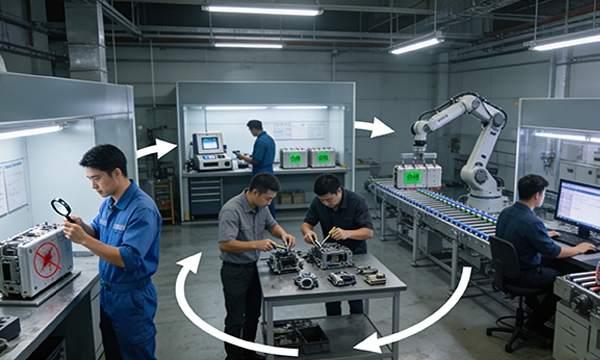
Quality Inspection in Yiwu Before Shipping from China (2026 Guide)
Learn how quality inspection in Yiwu helps prevent defects, reduce sourcing risks, and ensure product quality before shipping from China with YIHUANHUI.
OUR FACILITIES
With professional supply chain services,
With professional supply chain services,
we connect global trade and work hand in hand with you for mutual success.
Please fill out the form below and we will get back to you as soon as possible.