
Breaking: Iran Announces Two-Week Ceasefire Extension, Negotiations to Proceed
Breaking: Iran Announces Two-Week Ceasefire Extension, Negotiations to Proceed
Combined reports from Tehran and Beijing — Local time on April 8th, Iranian officials officially announced that they will maintain the two-week ceasefire agreement previously reached with relevant parties, which took effect in the early hours of the same day. Meanwhile, the Iranian delegation has departed and will travel to Islamabad on April 10th to participate in multilateral negotiations mediated by Pakistan, focusing on key issues regarding the follow-up arrangements of the ceasefire and the de-escalation of the situation.
The framework of this ceasefire agreement was officially approved and confirmed by Iran’s Supreme National Security Council on April 7th. Iranian officials emphasized that the core goal of the ceasefire is “to avoid further escalation of the regional situation and create a stable window for diplomatic negotiations.” The agreement clearly requires all relevant parties to fully cease military operations, end hostile frictions, and jointly safeguard the regional peace and environment. At the same time, Iran reaffirmed that the ceasefire is not a compromise, but a rational choice based on safeguarding national core interests and gaining time for domestic people’s livelihood recovery and construction. If the negotiation process deviates from the established track, Iran reserves the right to take all necessary measures.
According to a disclosure by Pakistan’s Ministry of Foreign Affairs, the Islamabad negotiations will gather representatives from Iran, the United States and their respective allies, with core topics including the security guarantee of shipping in the Strait of Hormuz, the path to lifting regional sanctions, the protection of civilian facilities, and the handling of legacy issues from the conflict. As the mediator, Pakistan will coordinate the positions of all parties throughout the process and promote the negotiation to form a specific and implementable consensus document. Pakistan’s Prime Minister’s Office stated publicly that this negotiation is an important opportunity for the de-escalation of the Middle East situation, and Pakistan will make every effort to promote the two parties to achieve phased results during the two-week ceasefire period.
The United States confirmed through the White House spokesperson that it will strictly abide by the provisions of the ceasefire agreement, suspend all military strikes against Iran, and has arranged the relevant diplomatic team to attend the meeting as scheduled. The U.S. side stated that it looks forward to resolving current differences through negotiations, and emphasized that the Strait of Hormuz, as a global energy transportation artery, its navigation safety is a common concern of all parties, and it is willing to consult with Iran to establish a temporary security guarantee mechanism. However, the U.S. side did not make a clear response to Iran’s core demands such as uranium enrichment and the lifting of sanctions, only stating that it will “comprehensively discuss all issues” during the negotiations.
Israel, on the other hand, released a cautious signal. The Israel Defense Forces announced that it will suspend air strikes against Iran’s mainland, but emphasized that “operations against terrorist organizations in the Lebanese direction are not subject to the ceasefire.” The Israeli Prime Minister’s Office stated that Israel will “continue to monitor Iran’s compliance with the agreement” and reserve the “right to self-defense.” This statement highlights the complexity of the Middle East situation, and the full implementation of the ceasefire agreement still faces many variables.
The response to the ceasefire agreement in Iran is rational. According to reports from Iranian state media, the ongoing military conflict has led to damage to some military facilities, interruption of oil exports, and the people’s demand for peace and development has become increasingly strong. The Iranian government stated that during the ceasefire period, it will give priority to ensuring the supply of people’s livelihood materials, promote the recovery of economic order, and at the same time accelerate the restoration of the military industry system to lay a solid foundation for subsequent negotiations. Iranian people generally hope that the negotiations can bring long-term peace and reduce economic and people’s livelihood pressures.
The international community generally welcomes this ceasefire. A spokesperson for the UN Secretary-General stated that the United Nations fully supports Pakistan’s mediation efforts, calls on all parties to strictly abide by the ceasefire agreement, and resolve differences through dialogue and consultation. Russia, the European Union, France, Germany and other countries have successively issued statements, saying that the ceasefire provides a key opportunity for the de-escalation of the Middle East situation, and expressed hope that the Islamabad negotiations can achieve substantive progress, calling on all parties to abandon the confrontation mentality and jointly maintain regional stability.
Analysts pointed out that the two-week ceasefire provides a valuable buffer period for the Middle East situation, but the differences between Iran and relevant parties on core interests have not been fundamentally resolved. Issues such as the security of the Strait of Hormuz, the lifting of sanctions, and uranium enrichment still require great efforts from both sides. The success or failure of the Islamabad negotiations will directly affect the direction of regional peace, and the international community needs to continue to pay attention to and promote the negotiation process to avoid the situation returning to tension.
At present, the Iranian delegation has completed pre-departure preparations, focusing on formulating negotiation plans around specific issues such as the ceasefire supervision mechanism, people’s livelihood assistance, and shipping safety. It is expected to arrive in Islamabad on April 10th and hold intensive consultations with all parties.
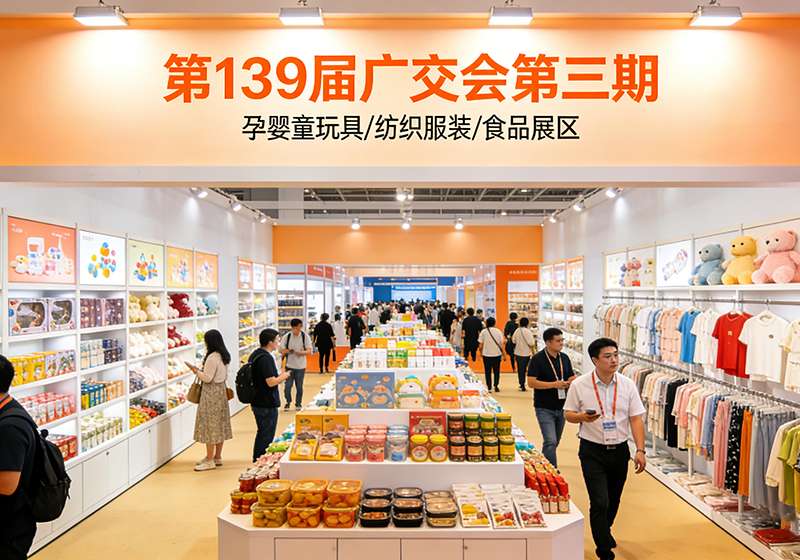
Phase 3 of the 139th Canton Fair: Fashion, Health, and Cultural & Educational Consumption Gain Momentum, Expanding New Horizons for Global Trade
Phase 3 of the 139th Canton Fair: Fashion, Health, and Cultural & Educational Consumption Gain Momentum, Expanding New Horizons for Global Trade
NEWS REPORT From May 1 to 5, Phase 3 of the 139th Canton Fair concluded successfully, focusing on consumer goods and healthcare sectors including toys & maternity/baby/children products, fashion (textiles & apparel), home textiles, stationery, health & leisure, medical devices, food, and functional & technical fabrics, injecting warm and robust momentum into global trade.
During this phase, functional fabrics and smart textile apparel showcased technological innovations in China’s textile industry, while safe and eco-friendly designs for maternity/baby/children toys and cultural/educational products garnered significant attention. Medical devices and health & leisure products precisely addressed global trends in aging populations and health consumption upgrades. The food section featured specialty agricultural products and processed foods from across China, facilitating the global reach of high-quality Chinese ingredients. Parallel cross-border e-commerce matching events and brand going global forums were held, establishing digital trade channels for small and medium-sized foreign trade enterprises and deepening cross-border cooperation in fashion, culture & education, and healthcare sectors.
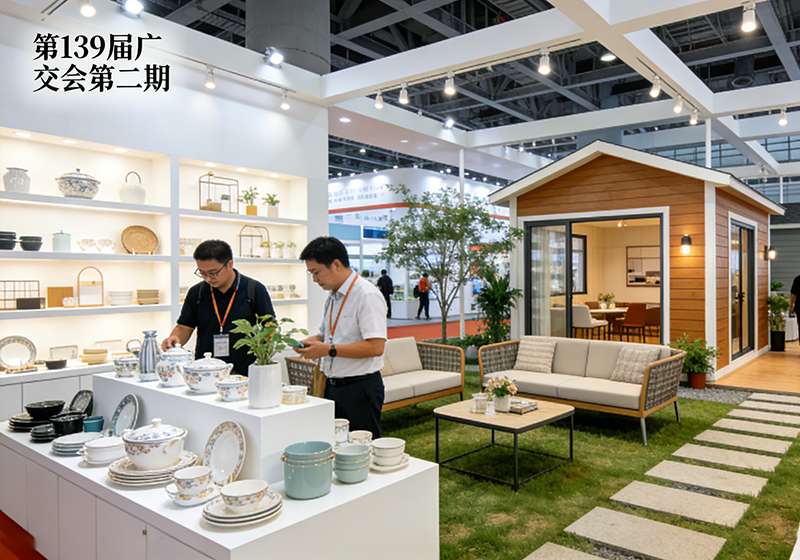
Phase 2 of the 139th Canton Fair: Quality Lifestyle and Creative Design Converge, Illuminating New Scenarios for Home Furnishings Foreign Trade
Phase 2 of the 139th Canton Fair: Quality Lifestyle and Creative Design Converge, Illuminating New Scenarios for Home Furnishings Foreign Trade
NEWS REPORT From April 23 to 27, Phase 2 of the 139th Canton Fair successfully kicked off, centering on consumer goods and home building materials such as household products, gifts & decorations, building materials & furniture, daily-use ceramics, kitchen & dining utensils, outdoor facilities, bamboo & wood home goods, and prefabricated houses. It presented global buyers with a trade feast that blends aesthetic design and practical functionality.
This phase deeply aligns with global consumers’ demand for quality lifestyles and personalized home spaces, showcasing highlights such as intangible cultural heritage craftsmanship in daily ceramics, lightweight innovations in outdoor leisure facilities, and green prefabricated technologies for integrated housing. Numerous small and medium-sized enterprises participated with original designs and cost-effective products, expanding overseas markets while conveying the meticulous craftsmanship of Chinese consumer goods to the world. The outdoor products and kitchen utensils sections drew high foot traffic, precisely matching consumption upgrade trends in markets like Europe, the Americas, and Southeast Asia, becoming a key driver of growth in home furnishings foreign trade.
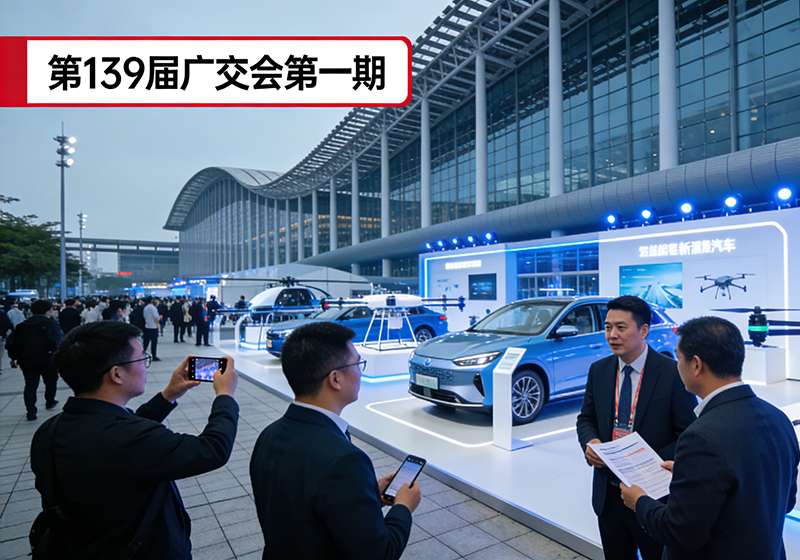
Phase 1 of the 139th Canton Fair: Smart Manufacturing and Green Tech Lead the Way, Fueling New Engines for Global Trade
Phase 1 of the 139th Canton Fair: Smart Manufacturing and Green Tech Lead the Way, Fueling New Engines for Global Trade
NEWS REPORT From April 15 to 19, the 139th China Import and Export Fair (Canton Fair) Phase 1 grandly opened in Guangzhou. As one of the world’s largest comprehensive international trade events, this phase focuses on core sectors including consumer electronics & home appliances, industrial manufacturing, vehicles & two-wheelers, lighting & electrical equipment, hardware tools, new energy, smart wearables, display technology, and drones. Thousands of global enterprises gathered to showcase cutting-edge technologies and innovative products, building an efficient platform for global industrial and supply chain connectivity.
Guided by the themes of “intelligent upgrading” and “green low-carbon development,” Phase 1 featured new energy vehicles, smart home appliances, industrial robots, and drones as key highlights. Leading companies presented next-generation smart wearables and high-efficiency lighting solutions tailored for global markets, demonstrating China’s manufacturing competitiveness in digital and green transformation. Parallel professional forums and procurement matching events were held throughout the fair, facilitating precise demand alignment between Chinese and foreign merchants and elevating cross-border trade and technical cooperation to new heights.
Real-time foreign trade news: The 139th Canton Fair approaching
The 139th Canton Fair: Intensive preparations underway, a key platform for foreign trade enterprises to break through
Core Information (Officially Confirmed)
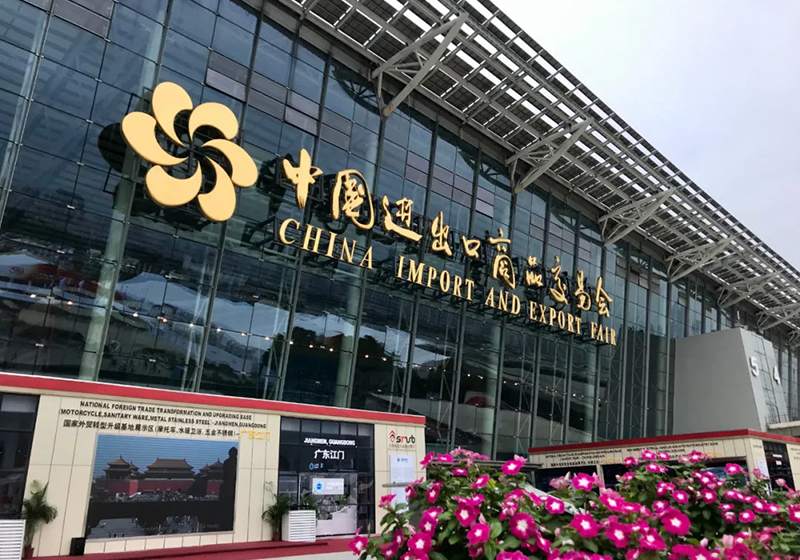
The 139th Spring Canton Fair will be held in three phases from April 15th to May 5th, 2026, at the Pazhou Exhibition Hall in Guangzhou (No. 382, Yuedong Middle Road, Haizhu District), with an exhibition area of over 1.55 million square meters and 55 professional exhibition areas. It is expected to attract over 32,000 enterprises to participate and 310,000 overseas buyers to attend.
Key points for participation and business connection
Compliance and brand display: This session of the Canton Fair has strengthened the “green and beautiful booth” requirements. The construction materials must meet the B1-level flame retardant standard, and the recyclability rate must not be lower than the regulations of the exhibition hall. Participating enterprises need to prepare environmental protection test reports of the materials in advance to avoid on-site rectification. Independent station enterprises can link the exhibition booth with their online stores, set up “Canton Fair exclusive discount codes”, guide buyers to leave contact information online, and then complete repeat purchases through the independent station.
Precise connection with procurement demands: In response to the US tariff policy and the situation in the Middle East, enterprises can focus on showcasing “tariff optimization solutions” (such as modular products, customizable split models) and “logistics alternative solutions” (such as China-Europe Railway Express transportation, third-party overseas warehouse stocking) at their booths. Procurement agencies can prepare “procurement service manuals”, highlighting core advantages such as tariff calculation, tax refund assistance, and multi-channel logistics integration, to attract overseas buyers with cross-border procurement needs.
Seizing opportunities in emerging markets: The Canton Fair will attract a large number of buyers from Latin America, Africa, and Southeast Asia. Enterprises can optimize their product structure in advance and launch high-cost-performance products for emerging markets. At the same time, they can use the official online platform of the Canton Fair to upload product information in advance and activate the “appointment negotiation” function to improve the efficiency of offline connections.
Comprehensive response suggestions for foreign trade enterprises
Short-term emergency response: Immediately sort out goods in transit and confirm the latest route arrangements with shipping companies; Recalculate the tariff costs for orders from the US and update the quotation sheets; sign supplementary agreements for orders from the Middle East to clarify the risk-sharing mechanism.
Medium-term layout: Leverage the Canton Fair to expand the customer base in emerging markets and optimize the market structure; strengthen SEO and keyword optimization for the independent website, with a focus on capturing search traffic from non-US and non-Middle East markets; establish a full-service system for procurement enterprises that integrates tariff calculation, logistics integration, and tax rebate assistance.
Long-term planning: Establish a real-time monitoring mechanism for tariff policies and geopolitical situations, reserve overseas warehouse resources in advance to reduce reliance on a single logistics channel; increase investment in product research and development, launch high-value-added products, and enhance the ability to cope with tariff costs.Contact us!
Real-time foreign trade news: Shipping Crisis in The Middle East
Escalation of the Middle East Situation: Major shipping routes blocked, high risks of fulfilling orders during the Ramadan peak season
Spillover effects of geopolitical conflicts
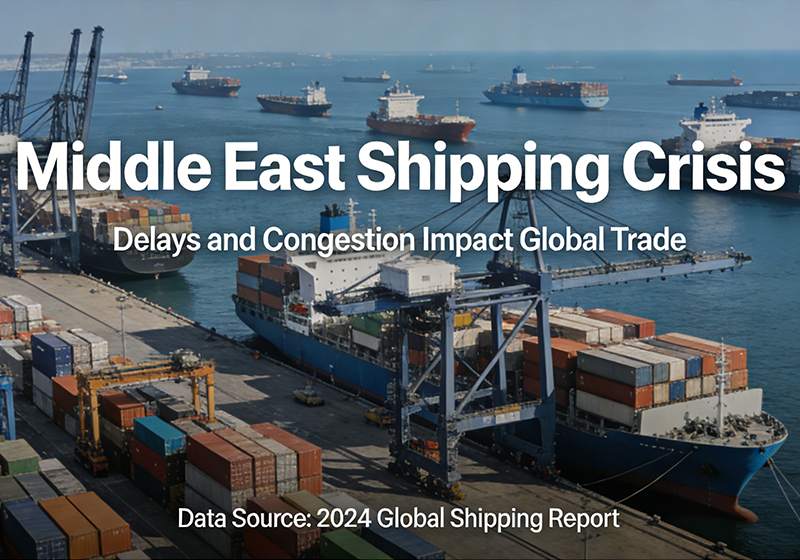
In early March 2026, the geopolitical confrontation in the Middle East continued to escalate, with the risk levels of the Strait of Hormuz (through which 30% of global crude oil and a large number of containers pass) and the Red Sea soaring. Major shipping companies such as Maersk, MSC, and COSCO Shipping collectively suspended some bookings on Middle East routes, and ships were forced to detour around the Cape of Good Hope. This move directly led to the extension of the voyage time on the Asia-Europe route from 25-30 days to 40-50 days, a 40% drop in the turnover efficiency of individual vessels, and a 8%-12% contraction in global effective capacity. The disruption in logistics triggered a chain reaction: core ports in the Middle East (such as Jebel Ali Port in Dubai) faced operational restrictions, with severe cargo backlogs; air hubs like Dubai and Doha saw their trans-Eurasian air transport capacity halved due to airspace control, and freight rates soared in a retaliatory manner. As of March 9th, the freight rate for a 40-foot container on the Middle East route skyrocketed to $6,000 per FEU, and war risk insurance premiums increased by 300%-500% compared to before, with the average emergency conflict surcharge reaching up to $3,000 per container.
Core Impact on Foreign Trade Business and Response Strategies
The crisis of contract fulfillment is highlighted: Mid-March coincides with the Eid al-Fitr after the Islamic Ramadan, a core consumption season in the Middle East. A large amount of pre-stocked goods are stuck in transit, and Amazon’s Middle East warehouses and local retailers have begun to reject new shipments. Cross-border e-commerce platforms (such as Shein and Temu) have announced significant delays in delivery. Procurement agencies need to promptly inform customers of the location of the goods and the estimated arrival time, and negotiate delayed fulfillment or alternative port solutions.
Rising risks in payment and settlement: Payment channels in the Middle East are fluctuating, and the uncertainty of letter of credit (L/C) redemption has increased. Some countries have shown signs of tightening foreign exchange controls. It is recommended that enterprises prioritize the use of pre-T/T (full advance payment) for new customers in the Middle East, and strictly control the payment terms for existing customers to avoid the risk of bad debts from credit sales.
Urgent need for market diversification: The conflict has led to a short-term decline in demand in the Middle East. Some enterprises have accelerated their layout in emerging markets such as South America, Africa, and Central Asia. Independent station sellers can optimize keywords for emerging markets through SEO, launch multi-language pages, and divert risks from the Middle East business. Procurement agencies can expand procurement demands in non-Middle East regions to balance their business structure.
OUR FACILITIES
With professional supply chain services,
With professional supply chain services,
we connect global trade and work hand in hand with you for mutual success.
Please fill out the form below and we will get back to you as soon as possible.