


Real-time foreign trade news: Sudden changes in US tariff policy
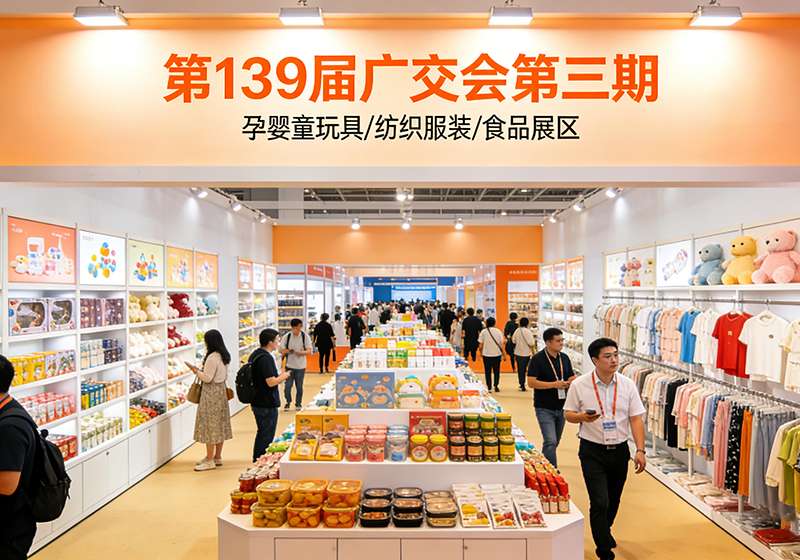
The current foreign trade market is facing multiple overlapping shocks: The US federal government has raised the “global temporary tariff” rate to 15%, with legal disputes and tax refund procedures advancing simultaneously; the escalation of the Middle East geopolitical conflict has blocked shipping through the Strait of Hormuz and the Red Sea, causing a sharp increase in logistics costs and high risks of fulfilling orders during the Ramadan peak season; meanwhile, the 139th Spring Canton Fair is in the final stage of preparation, becoming a key window for enterprises to cope with market fluctuations and expand their global customer base. These three core issues are intertwined, profoundly affecting the operation of international trade independent stations, the layout of purchasing agency businesses, and customer service strategies.
US Tariff Policy: 15% Temporary Tariff About to Take Effect, Legal Battles and Tax Refunds Proceeding in Parallel
Core Policy Changes
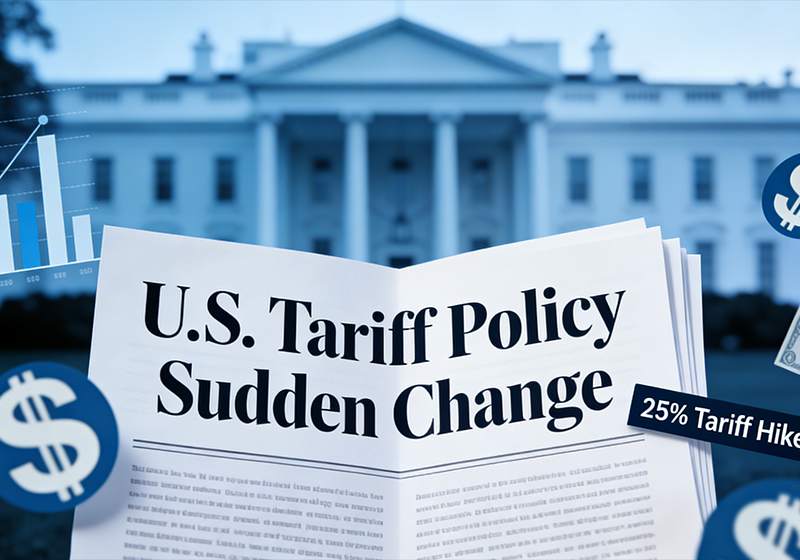
On February 20, 2026, the US Supreme Court ruled 6-3 that the large-scale tariffs implemented by the Trump administration under the International Emergency Economic Powers Act (IEEPA) lacked legal authorization, and the relevant measures were immediately terminated. On the same day, President Trump invoked Section 122 of the Trade Act of 1974 to announce a 10% global temporary import tariff for 150 days, which took effect on February 24; the next day, he announced an increase in the rate to 15%, and the US Treasury Secretary confirmed that the rate is expected to be implemented within this week.
This temporary tariff clearly defines the exemption scope, including critical minerals, energy products, pharmaceuticals and components, passenger vehicles and some parts, aerospace products, etc., aiming to reduce the impact on the US domestic industrial chain. Regarding trade with China, the US has stopped collecting the “fentanyl tariffs” and some reciprocal tariffs previously imposed under IEEPA, and instead applies a 10% temporary surcharge (soon to be raised to 15%). The Ministry of Commerce of China has stated that it will closely assess and adjust countermeasures as necessary, and is willing to engage in candid negotiations during the 6th round of China-US economic and trade consultations.
Core Impacts on Foreign Trade Enterprises and Responses
Dual pressure of cost and compliance: The 15% temporary tariff will directly increase the cost of US exports, squeezing the profit margins of non-exempted categories (such as consumer goods and some industrial finished products). Independent station sellers need to recalculate pricing to avoid a decline in price competitiveness due to tariff costs.
Opportunities for tax refunds and cumbersome processes: Data from the US Court of International Trade shows that the previous tariffs imposed under IEEPA involved a refund amount of 175 billion US dollars. On March 6, the court held a settlement meeting with government lawyers to advance the refund process. Enterprises involved in the relevant tariffs and exporters should immediately sort out the payment vouchers from February 2025 to February 2026 and submit tax refund applications to the US Customs and Border Protection.
Legal uncertainty risks: More than 20 US states (led by California and New York) have jointly filed lawsuits, accusing the president of overstepping his authority in imposing comprehensive tariffs under Section 122. The outcome of the subsequent case may lead to further adjustments in the tariff policy. Enterprises should avoid signing long-term fixed-price orders to the US and include a “tariff adjustment force majeure clause” in the contract.
OUR FACILITIES
With professional supply chain services,
With professional supply chain services,
we connect global trade and work hand in hand with you for mutual success.
Please fill out the form below and we will get back to you as soon as possible.