- Home
- Products
- Outdoor toys
- Children's four-wheel balance bike
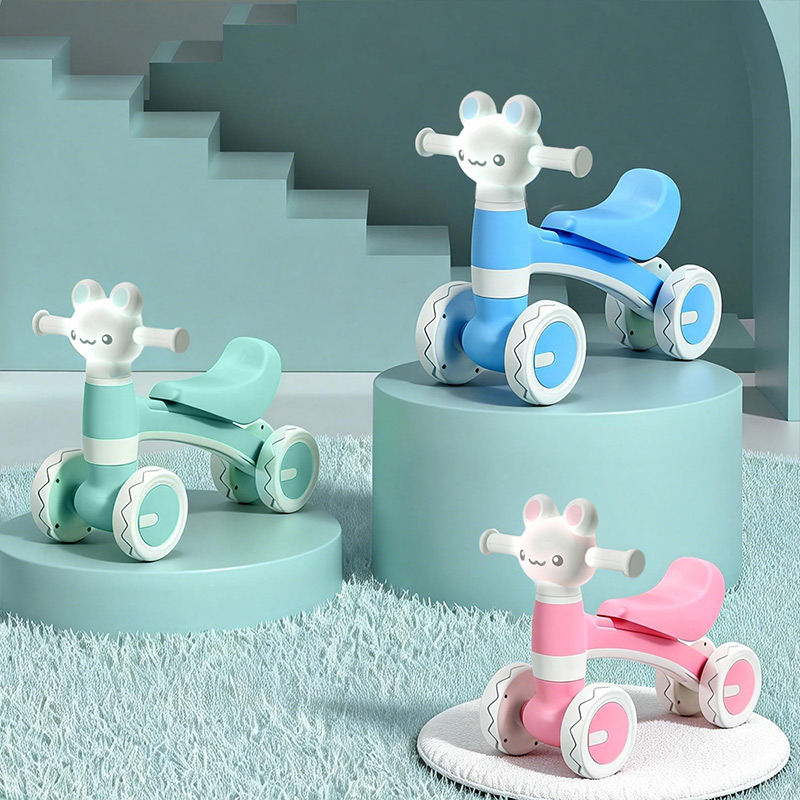
- Children’s Four-Wheel Sliding Scooter With Music and Lighting YG0383
Children’s Four-Wheel Sliding Scooter With Music and Lighting YG0383
Description
Product Features
Cute design+sound and light interaction: The rabbit ear front of the car comes with soft ambient lighting, which lights up at a touch; Equipped with a built-in music chip, it synchronously plays playful melodies while sliding, making it both a scooter and a “mobile playmate” for babies.
Four wheel stable sliding structure: widened PU anti pulley+low center of gravity design, suitable for babies aged 1-3, can maintain balance independently without assistance, say goodbye to the risk of rollover, and even beginners can easily get started.
Integrated molding process: The body is made of food grade PP material, with no burrs or splicing gaps, rounded corners and ergonomic saddles that fit the baby’s spinal curve, making it comfortable to sit for long periods of time.
Core Advantages
Growth oriented design: The height of the front of the car can be adjusted according to the baby’s height (suitable for 80-105cm height), from the toddler stage to kindergarten, with full cost-effectiveness;
Silent sliding experience: The wheel axle is equipped with shock-absorbing silicone pads, which can slide quietly on wooden floors/ceramic tiles/community walkways without disturbing neighbors or grinding the ground;
Easy to store and clean: The entire vehicle weighs only 2.8kg and can be lifted with one hand. The saddle can be disassembled and washed, and stains can be wiped clean with just one wipe, making it worry free for cleanliness loving parents.
Clever Design
Rabbit ear design is not only a bonus for appearance, but also hides a “safety buff”: the width of the front of the car is just suitable for babies’ grasping habits, and the ear tips are round and not prickly to the touch; The color scheme adopts macaron low saturation color scheme to protect the visual development of babies and adapt to various styles of children’s rooms
This scooter, which combines “appearance+safety+fun”, is an ideal playmate for babies during their walking period, turning walking from a “challenge” to a “game”!
Product parameters
Material: PP
Number of wheels: 4
Style: Cute, playful
PCS/CTN: 10PCS
CBM: 0.19m³
Application areas/scenarios
Living Room: Keep your toddler entertained independently while you tackle chores.
Parent-Child Bonding: Assist your little one to ride, fostering their balance skills.
Perfect Gift: Available in Pink/Mint/Blue; a stylish, practical present for birthdays or holidays.
Frequently Asked Questions
1.Q: At what age is this scooter suitable for babies to use?
A: Specially designed for babies aged 1-3, it can accompany their growth and use for a longer period of time.
2.Q: What is the weight of the vehicle body? Is it convenient for parents to carry?
A: The body of the car adopts a lightweight design, weighing only 2.5kg. Parents can easily lift it with one hand, making it very convenient to carry whether going downstairs for a walk or going out for fun.
3.Q: Is the material safe? Is there a problem with the baby biting?
A: The car body is made of PP material, and every contact is guaranteed to have rounded and polished edges without any burrs. Even if the baby bites or bumps, there is no need to worry.
4.Q: On which surfaces can I ride? Will it easily tip over?
A: Suitable for various types of flooring, including living room tiles, wooden floors, community walkways, and other flat road surfaces; Adopting a widened wheelbase and anti slip rubber wheel design, it has extremely strong stability and can effectively prevent rollover, ensuring the safety of babies learning to ride.
PRODUCTS
Side by Side Twin Baby Stroller Compact Fold Dual Seat Pushchair Multiple Colors-YG0780
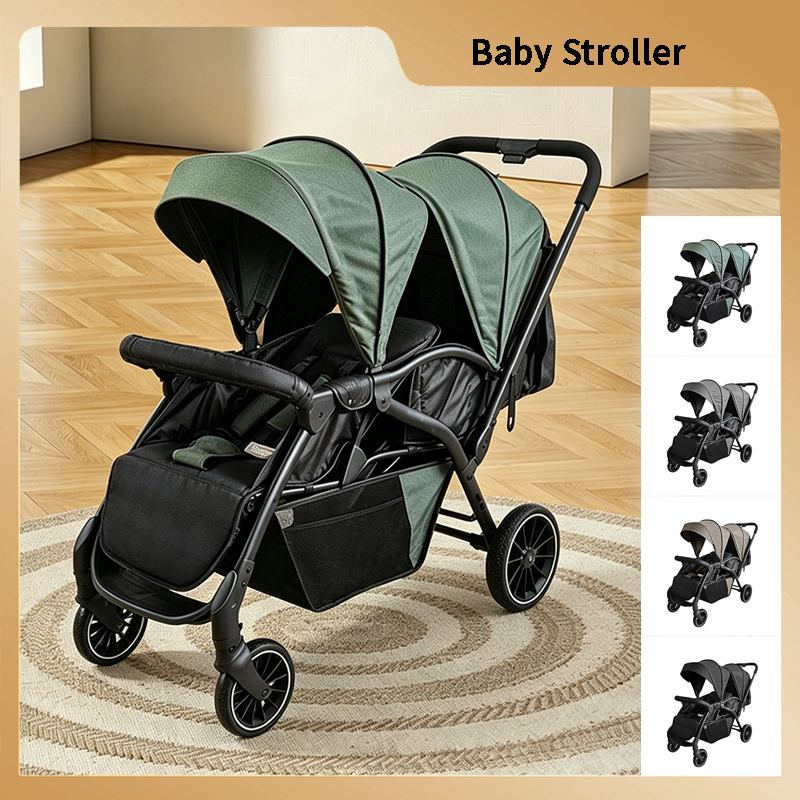
This side-by-side twin baby stroller is specially designed for families with two kids, allowing you to take both children out at the same time with ease. It features two independent seats, each equipped with a separate retractable sun canopy to block UV rays and wind, giving every baby a private shaded resting area. Each seat comes with an adjustable backrest that can recline to multiple angles for sitting or full flat napping, plus an individual 5-point safety harness to secure each child separately. The sturdy lightweight metal frame delivers stable support, paired with shock-absorbing front swivel wheels that roll smoothly on malls, pavements and park paths without harsh bumps. There is a large shared side storage pocket to hold diapers, toys, water bottles and daily supplies for two little ones. The whole stroller can be folded compactly for convenient storage in car trunks or home corners. Four neutral stylish color options are available, making it a practical daily travel essential for parents of twins or siblings close in age.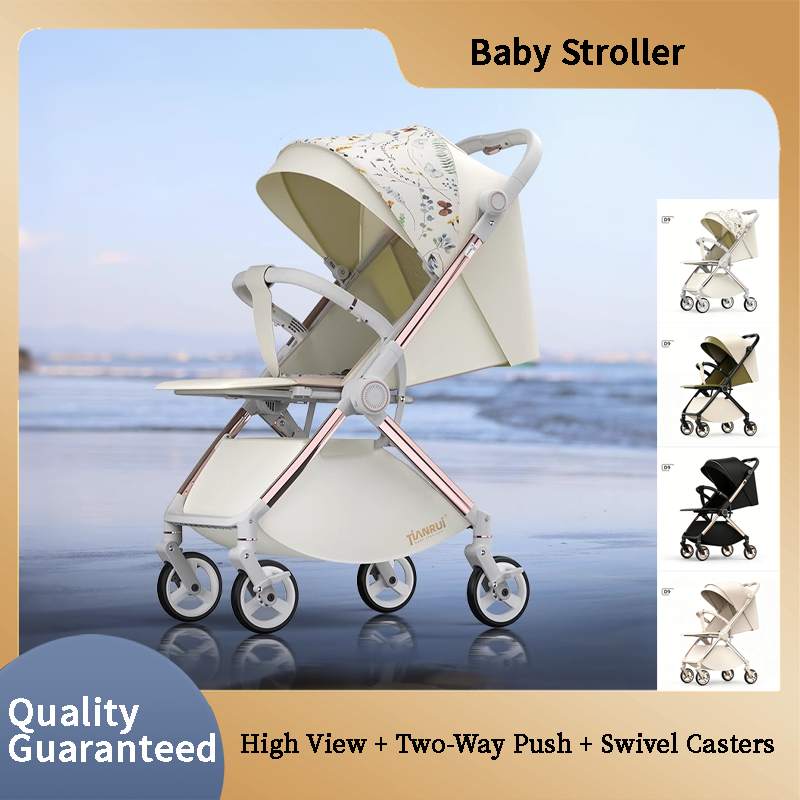
Luxury Printed Canopy High Landscape Baby Stroller Portable Compact Travel Pushchair-YG0771
This stylish high-view two-way baby stroller combines elegance, portability and full comfort for newborns and toddlers. It features a reversible push handle, allowing you to switch freely between parent-facing and forward-facing modes to boost intimate interaction with your baby. The decorative printed large canopy provides full UV protection, shielding little ones from harsh sunlight and wind, while the soft skin-friendly seat liner delivers a cozy resting space. The backrest supports multiple adjustable angles and can fully lie flat for babies to take sound naps outdoors. Built with lightweight rose gold aluminum frame, this stroller adopts 360° swivel front casters with shock absorption for smooth, quiet maneuvering on all flat ground. It supports one-hand quick fold into a compact size, easy to carry or store in car trunks. Equipped with secure safety harness and a spacious under-seat storage basket, four delicate color styles are available to match different tastes. Strict quality inspection ensures stable structure and long service life for daily family outings.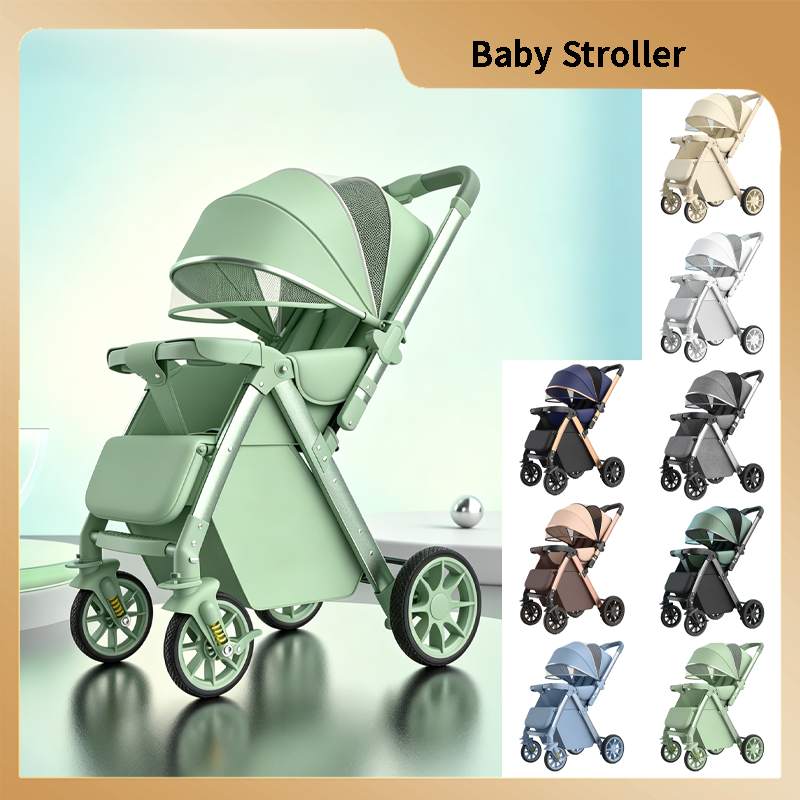
Portable Compact Baby Stroller One-Click Fold All-Terrain Shock Wheels For Newborns-YG0777
This lightweight foldable baby stroller is an ideal travel choice for newborns and toddlers, designed for effortless daily walks and trips. It features built-in shock-absorbing front wheels to buffer bumps on roads, malls and flat ground, delivering a smooth quiet push every time. The oversized breathable double-layer canopy with mesh side windows blocks harsh UV rays while boosting air circulation, keeping your baby cool without direct sunlight exposure. The seat back supports multi-angle adjustment and can fully recline into a flat bed, letting infants nap comfortably outdoors. Crafted with a lightweight sturdy aluminum frame, the stroller adopts a one-step quick fold design. After folding, it becomes compact enough to fit in car trunks or small storage spaces. A spacious side storage bag holds baby bottles, diapers, toys and daily essentials. It comes with eight soft fashion color options, paired with a secure safety harness to fully protect your little one during outings.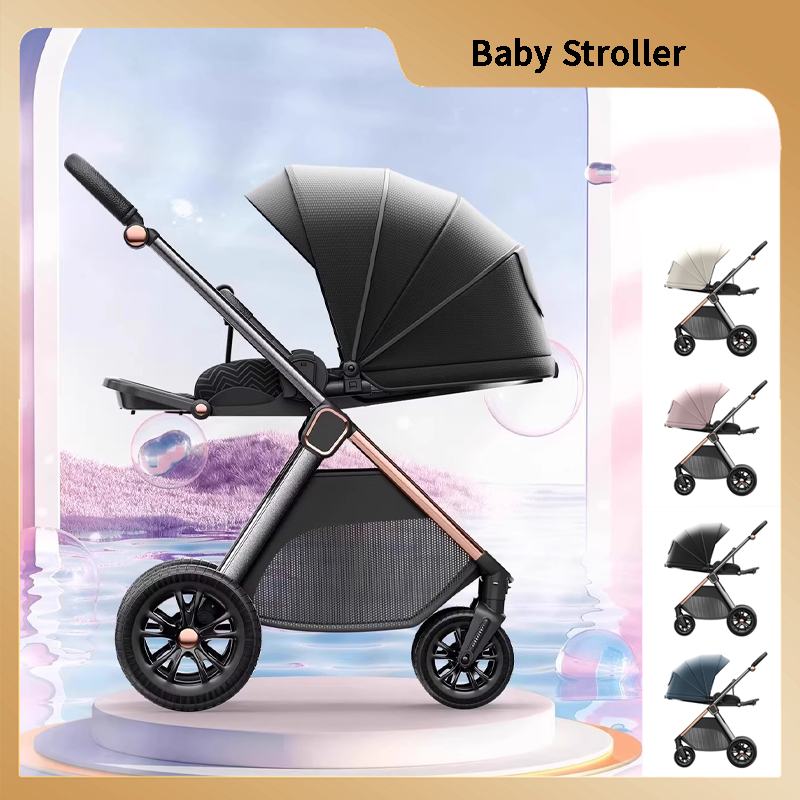
Premium Reversible Baby Stroller All-Terrain Shock Wheels Multiple Color Options-YG0778
This luxury high-view baby stroller is built for comfortable daily outings with babies from newborn to toddler. It comes with a reversible two-way push handle, letting your little one face you or the scenery outside. The large extendable UV-protection canopy fully blocks strong sunlight and wind. Equipped with all-terrain shock-absorbing rubber wheels, it delivers smooth, quiet pushing on roads, lawns and mall floors. The lightweight metal frame matches elegant rose gold accents, paired with breathable mesh storage basket and soft padded seat. The backrest adjusts to full flat recline for baby’s nap time. Compact foldable design saves storage room, and four fashionable neutral colors are available to pick from.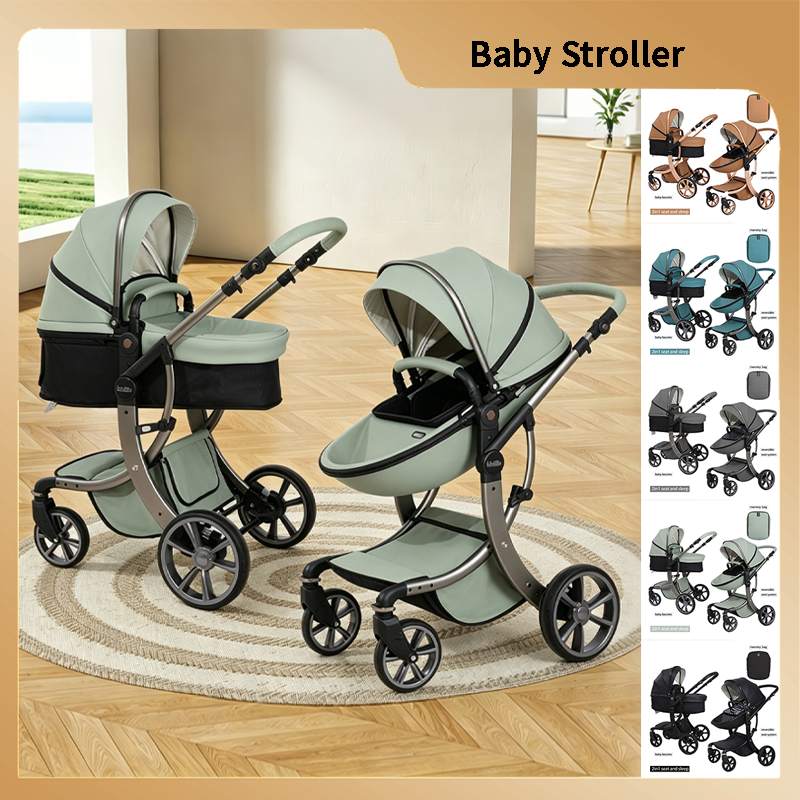
2-in-1 High Landscape Baby Stroller Reversible Bassinet Pram with Shock Absorbing Wheels-YG0779
This 2-in-1 high-view baby stroller switches between a full lie-flat bassinet and toddler seat. It features a two-way push handle for parent-facing rides, shock-absorbing 360° swivel front wheels, and a lightweight sturdy metal frame. Equipped with a large UV-protective canopy, breathable soft fabric and safety harness. Foldable for easy storage, available in multiple trendy colors, suitable for newborns to toddlers.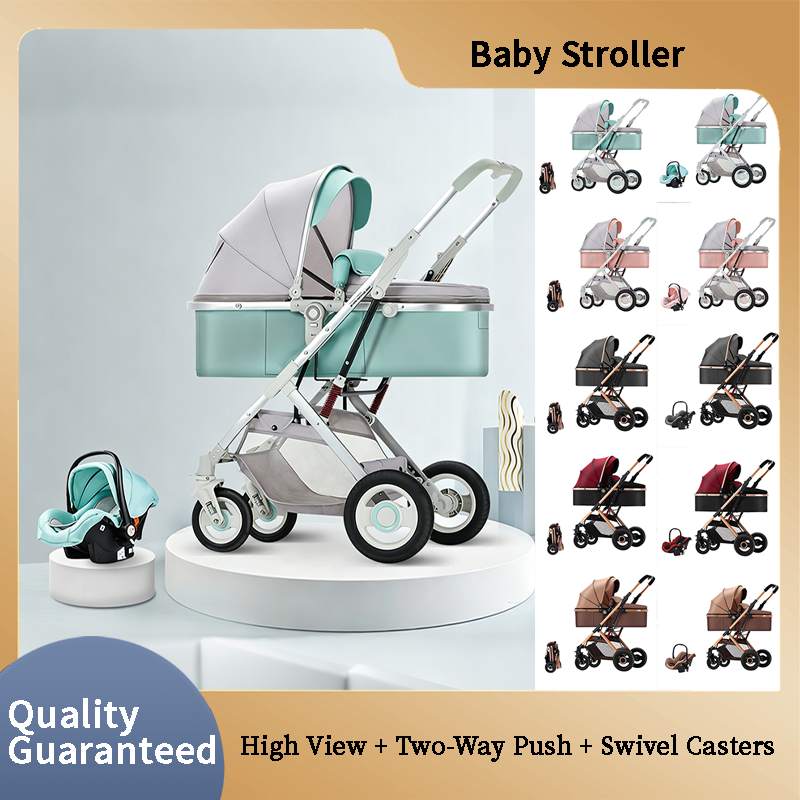
Luxury High Landscape Baby Stroller 3 in 1 Travel System Reversible Push Pram-YG0772
This 3-in-1 high-view baby stroller set includes a bassinet and infant car seat. It supports two-way pushing for parent-baby interaction. 360° swivel shock-absorbing wheels offer smooth rolling on all roads. Made of lightweight aluminum with soft breathable fabric, it features an anti-UV canopy, adjustable backrest and 5-point safety belt. Foldable and compact for storage, with multiple fashion color options. Safe and durable for newborns to toddlers.BLOG

Yiwu Sourcing Agent: Simplify China Imports with Ease
Discover how a Yiwu sourcing agent simplifies supplier sourcing, quality control, warehouse consolidation, and shipping from China.
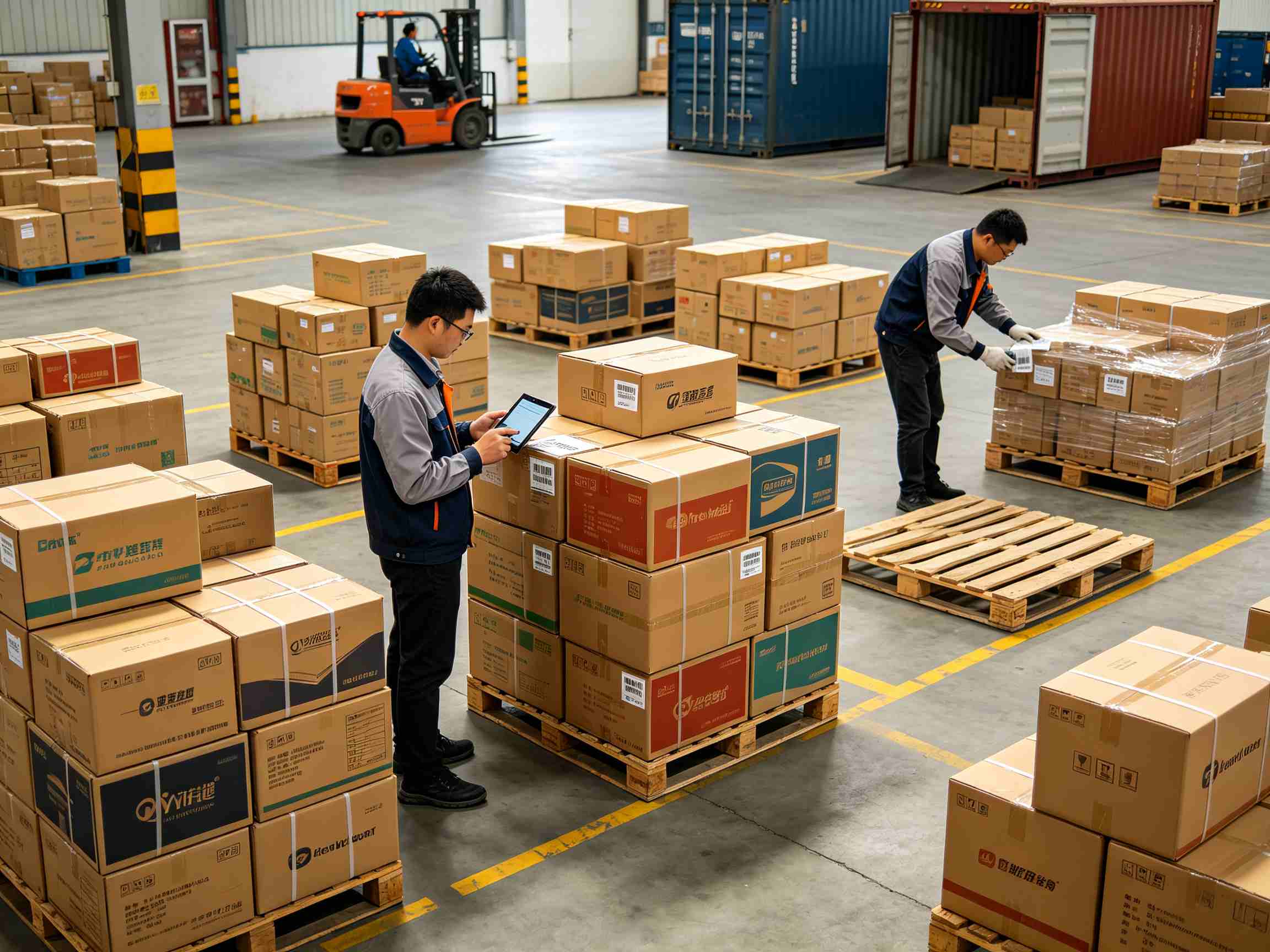
Yiwu Supply Chain Management Services for Global Buyers
Discover Yiwu supply chain management services for global buyers, from supplier sourcing and quality control to warehouse consolidation and international logistics.
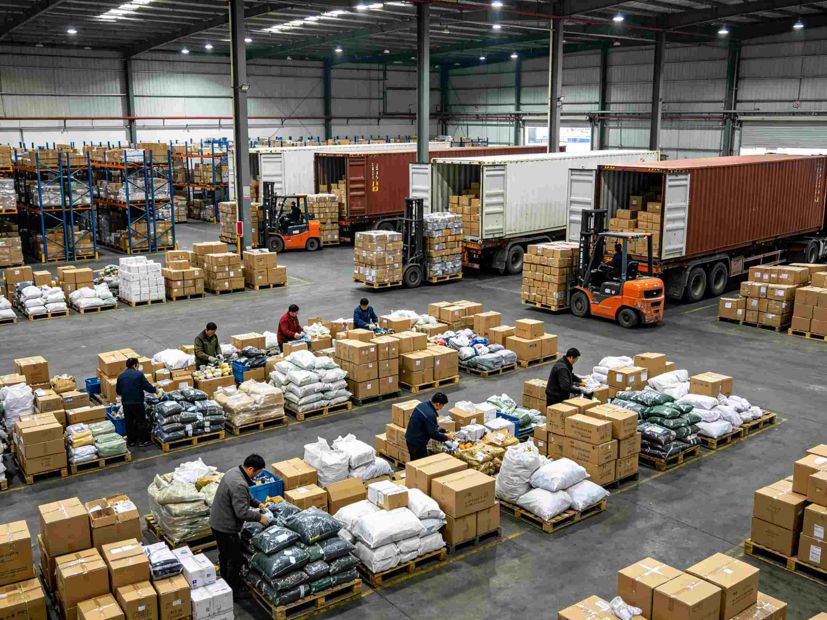
Professional Sourcing Agent in Yiwu for End-to-End Trade
Find a Yiwu sourcing partner for supplier selection, product checks, warehouse consolidation, export documents, and shipping coordination.
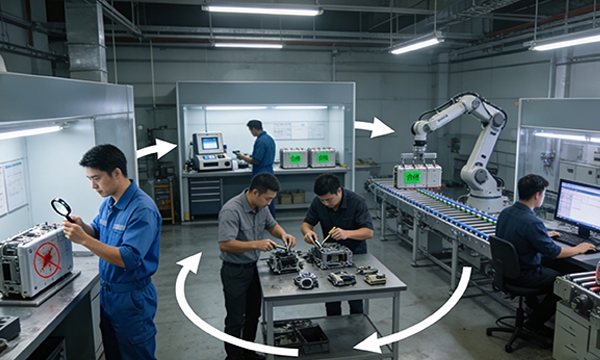
Yiwu Sourcing Agent for Small Businesses | Low MOQ China
Find a reliable Yiwu sourcing agent for small businesses. YIHUANHUI offers low MOQ sourcing, supplier management, quality inspection, and China supply chain support.
SERVICE

Financial plan
(1) Our company supports flexible payment methods: a 20% deposit is paid in advance when placing an order, and the remaining 80% is settled after the bill of lading is issued. At the same time, we also offer O/A credit terms ranging from 30/45/60/90 to 180 days, with a maximum limit of 100,000 RMB, to alleviate customers’ financial pressure and facilitate efficient cooperation between both parties. (2) In terms of financial support, to address the pain point of capital turnover for large orders, we have launched a non-mortgage and long-term (30 days or more) capital support plan. There is no need for collateral and the approval process is efficient, helping customers easily secure high-quality orders. At the same time, to avoid exchange rate fluctuation risks and simplify the settlement process, our company specially provides flexible settlement services – all cooperative businesses support pricing in RMB, ensuring transparent and controllable transaction amounts. Meanwhile, based on customer needs, the final settlement can be completed in the customer’s local currency. This not only eliminates exchange rate losses and cumbersome procedures for customers during currency conversion, but also aligns with their local financial accounting habits, further reducing cooperation costs and communication barriers. Through the integrated service of “storage coordination + capital support + flexible settlement”, we safeguard the stable expansion of overseas markets for foreign trade enterprises.
Logistics management
Domestic logistics services (1)Door to door pickup/warehouse integration Pick up goods from the supplier’s warehouse or factory and transport them to the designated warehouse of the foreign trade company; Provide value-added services such as warehouse management, cargo sorting, packaging and labeling (including foreign trade marks, customs barcodes), and order sorting. (2)Domestic short distance transportation Short distance trunk transportation connecting factories, warehouses, ports/airports/stations, including whole vehicle and less than truckload transportation, to ensure timely arrival of goods at the port of origin. (3) Customs declaration and inspection supporting services Assist in organizing customs declaration documents (commercial invoices, packing lists, customs declarations, etc.), handle export customs declaration and inspection procedures, coordinate with customs to complete inspection and release, and ensure that goods leave the country in compliance. (4) Core transportation services for international segments Our company is located in Yiwu and offers multiple flight options.We can provide four transportation methods: railway, land transportation, air transportation, and sea transportation. We can provide the best solution for customers to choose based on their actual situation.The mainstream method is suitable for large quantities, low delivery time, heavy goods/soaked goods, and is divided into two types: full container load (FCL) and less than container load (LCL). Supporting services: booking, container towing, payment of port charges, marine insurance coverage, etc.
Warehousing services
Our company can provide goods storage function, even if you only order a small part of the goods, you can still use our warehouse.Support customers in consolidating goods from other suppliers and storing them in the warehouse for centralized management, in order to solve the problem of scattered management of goods. We provide packaging, container loading, customs declaration, agency, etc
Procurement Management
We provide comprehensive supply chain services, from product procurement to placing orders in China. Our product design department can provide customized design for you, At the same time, we can also offer services for on-site inspection and evaluation at the factory to avoid discovering product problems after shipment. We operate legally (fully compliant with tax and legal requirements) and then ship to various parts of the world.

LOVE TO HEAR FROM YOU GET IN TOUCH!
Please fill out the form below and we will get back to you as soon as possible.